
SPC and underfloor heating get on well, which is one reason the combination has become so popular in new builds and renovations. The rigid core conducts heat evenly and stays stable as it warms, so you get a comfortable floor without the movement problems that plague some materials. The details matter, though, so here's how to do it properly.
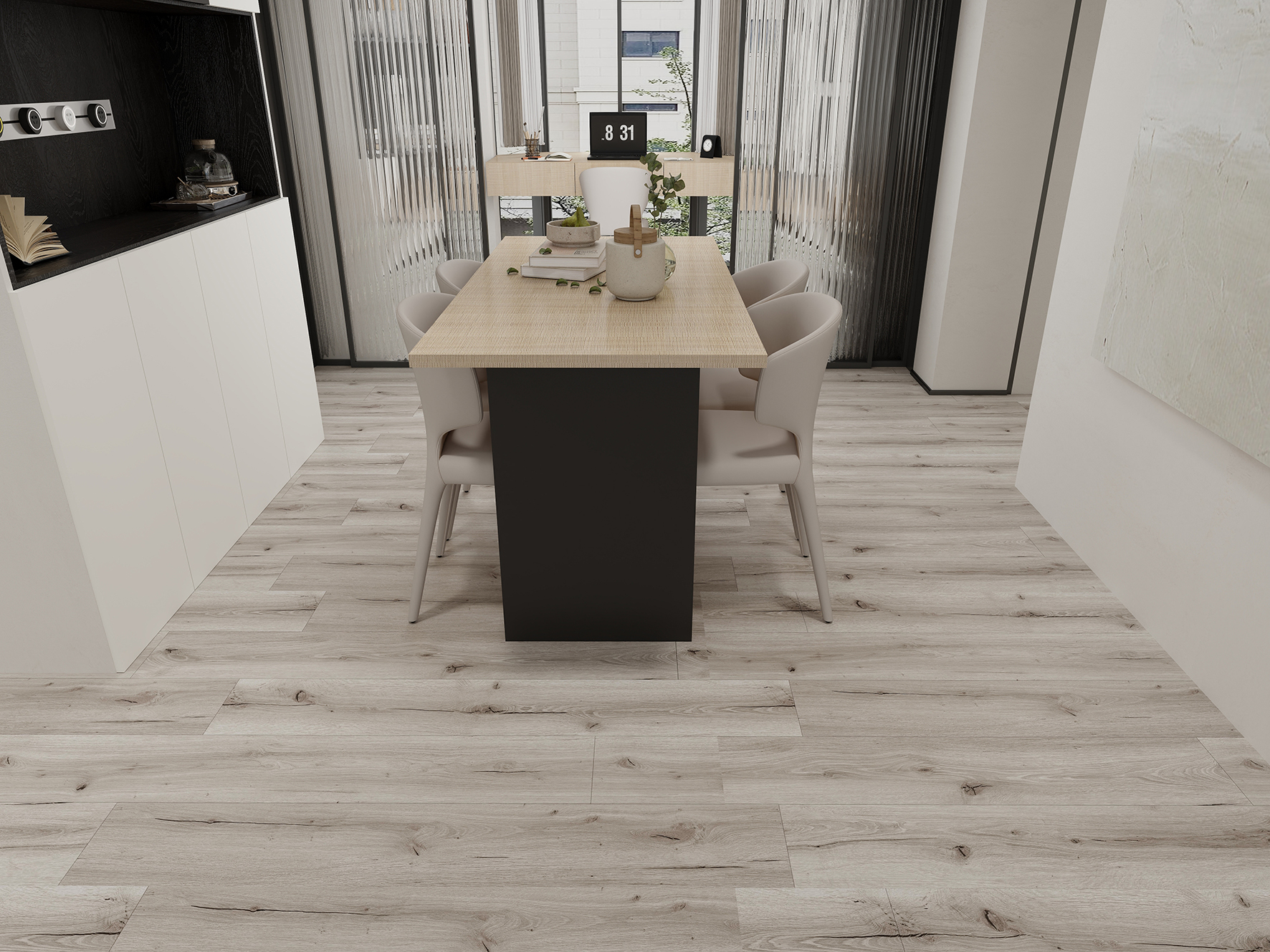
Does SPC work with underfloor heating?
As a general rule, yes: rigid SPC is commonly compatible with both water-based (hydronic) and electric underfloor heating systems. Its stone-polymer core handles gentle, even heat well and doesn't dry out or crack the way solid wood can. The one firm rule across every brand is to stay within the flooring manufacturer's stated surface temperature limit. MILAT doesn't publish a single universal figure, so confirm the exact maximum for your specific product with MILAT's guidance before you commission the system.
The rules that keep it trouble-free
- Keep the floor surface temperature within the manufacturer's stated limit, never above it.
- Use a system with a floor sensor and thermostat so the surface temperature is actually controlled, not guessed.
- Ramp the heat up and down gradually rather than jumping between cold and hot, which reduces stress on the planks.
- Make sure the heating is spread evenly, since hot spots concentrate expansion in one area.
- Leave the correct expansion gap around the perimeter so the floor can move as it warms.
Commissioning a new system
There's a right order to the first heat-up, and rushing it is the most common mistake. Let the flooring acclimate to the room first. If the screed or subfloor is new, run the heating through its full commissioning cycle and let it fully cure before the floor goes down. Once the SPC is laid, bring the temperature up slowly over several days rather than all at once, and drop it just as gently when the season changes. Sudden swings are what cause gapping and peaking, not the heat itself.
Everyday use
In daily life, an SPC floor over underfloor heating asks very little of you. Keep the thermostat within the product's limit, avoid covering large areas with thick rugs or beanbags that trap heat against the surface, and let the system change temperature in steps rather than big jumps. Because MILAT's click system is reversible, a plank can still be lifted and replaced later without disturbing the heating below, which is reassuring in a floor you can't easily see under.

Retrofit systems change the calculation
New-build underfloor heating usually means water pipes buried in screed, but renovations increasingly use low-profile electric mats or thin retrofit water systems laid over the existing slab. SPC suits these well because the rigid core spreads warmth evenly and bridges the small ridges a retrofit system creates — but the system must be embedded or overboarded per its manufacturer's instructions, never left as loose cables under a floating floor. Ask both manufacturers, the heating and the flooring, to confirm the pairing in writing. A floor and a heater that were never designed to meet is where problems start.
Insulation below decides how the floor feels above
An underfloor heating system without insulation beneath it heats the ground as enthusiastically as the room. Insulation boards under the pipes or mats push the warmth up where it belongs, and the difference shows in response time: a well-insulated floor warms in a fraction of the time and holds temperature with less energy. If you are specifying from scratch, get this layer right before thinking about floor coverings at all. The best SPC in the world cannot fix heat that is leaking downward.
Does the IXPE backing block the heat?
A fair question, because any layer between pipe and room adds thermal resistance. An attached IXPE pad is thin and engineered to keep total resistance within the limits heating systems expect, so a quality SPC plank with attached pad remains a good conductor of system heat while still delivering its acoustic benefit — MILAT's IXPE layer absorbs up to 21 dB of sound. What you should avoid is stacking: adding a separate foam underlay beneath a plank that already has a pad doubles the blanket and slows the system for no benefit.
Zoning: not every room wants the same floor temperature
A bathroom wants warmth early and late; a bedroom wants less; a south-facing living room may need almost nothing on a sunny afternoon. Zoned controls with a thermostat and floor sensor per area let each space run its own schedule, and SPC behaves well across zones because the core stays stable at different setpoints. Practical detail: where two zones meet under one continuous floor, keep temperature differences moderate and respect any transition joints, so the floor is not asked to bridge two climates in one plank.
Why SPC pairs with heating better than thicker floors
Every floor covering is a lid on the heating system, and thick lids waste heat. Solid wood and thick engineered boards insulate the very warmth you paid to generate, and their timber needs gentle handling as temperatures change. Carpet with underlay is a duvet over the pipes. SPC sits at the responsive end: a thin, dense mineral core that lets warmth through promptly and does not fear the seasonal cycling. For heat-pump systems, which prefer running low and steady, a responsive floor is a genuinely better match.
Talk to MILAT Floor
Samples, specifications, OEM & private label, wholesale or export — our team is ready.