
SPC is technically a form of vinyl plank, which is why so many buyers get stuck comparing the two. The meaningful difference sits in the core. SPC is built on a rigid stone-polymer composite, while most flooring marketed simply as LVP uses a flexible core. That one distinction shapes how each floor installs, feels, and survives daily punishment.
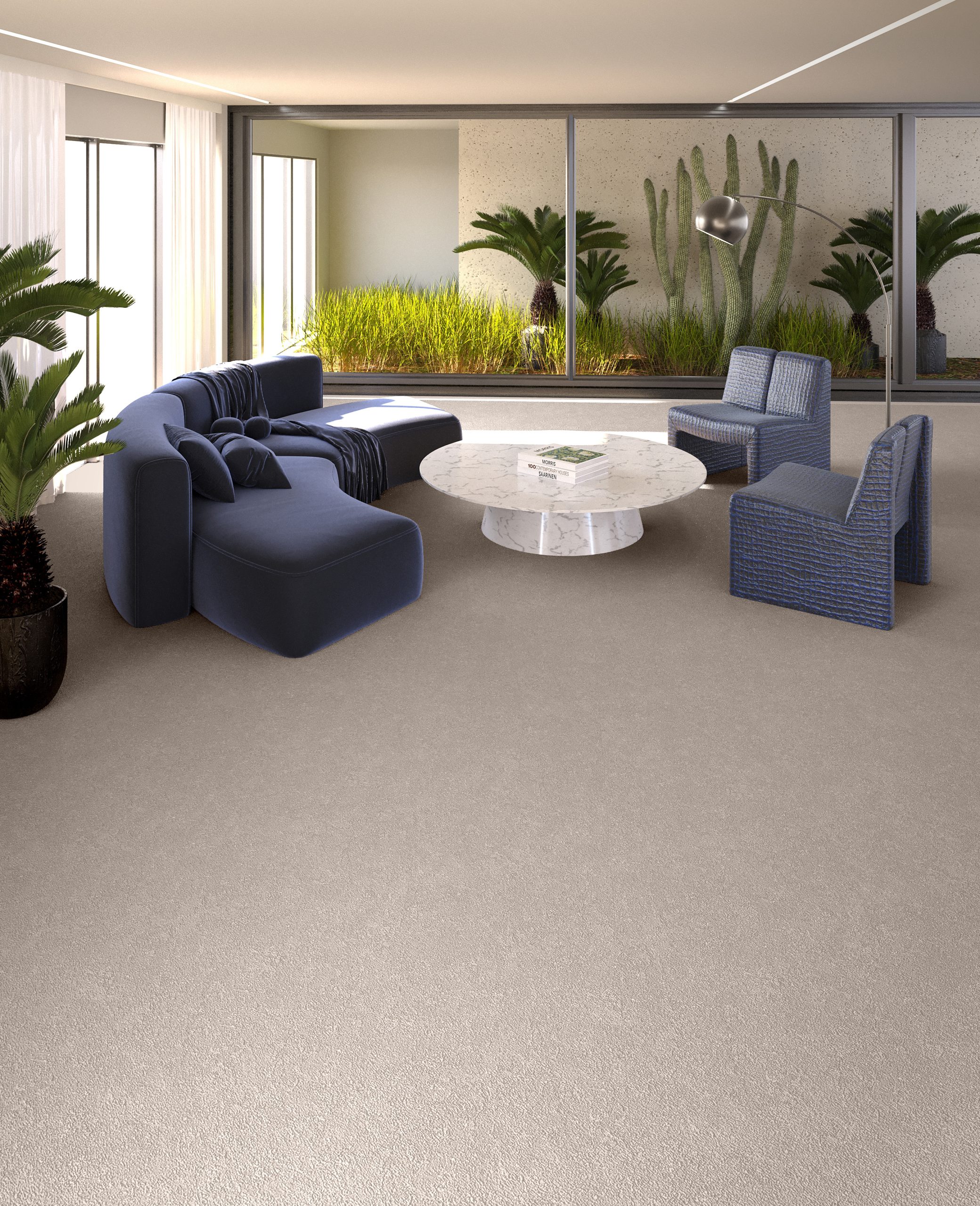
What actually separates SPC from LVP?
LVP stands for luxury vinyl plank, a broad category that covers any multi-layer vinyl board with a printed wood look. SPC — stone plastic composite — is a rigid sub-type of that family. A traditional flexible LVP bends in your hands; an SPC plank stays stiff because its core is packed with limestone powder and stabilizers. Both share a wear layer, a printed film, and a backing, but the middle layer is where they part ways.
Durability and dent resistance
Rigid cores handle point loads better. Roll a loaded office chair or drop a heavy pan on a flexible plank and you can telegraph subfloor imperfections or leave a temporary dent. SPC's density resists both.
- SPC resists denting from heavy furniture legs and dropped objects
- Flexible LVP can show telegraphing, where subfloor bumps read through the surface
- Both are fully waterproof through the core, so surface spills are a non-issue
- Wear resistance depends on the wear layer and AC rating, not the core alone
Comfort, sound, and feel underfoot
Flexible LVP is softer and quieter on its own, which some people prefer in bedrooms. SPC feels firmer and can sound hollow over a bare subfloor, so most quality SPC ships with or pairs with an acoustic underlayment. MILAT bonds an IXPE acoustic layer rated up to 21 dB directly to its boards, which takes the edge off footfall noise without a separate pad.
Installation and subfloor demands
This is where rigid cores earn their keep. SPC's stiffness bridges minor subfloor irregularities, so prep is usually lighter. Flexible LVP mirrors whatever sits beneath it, demanding a flatter, cleaner base — and glue-down versions add adhesive and cure time. Most SPC uses a click system and floats, with no glue.
| SPC | LVP (flexible) | |
|---|---|---|
| Core | Rigid stone-polymer | Flexible vinyl |
| Dent resistance | High | Moderate |
| Feel underfoot | Firm | Softer, more give |
| Subfloor prep | Lighter, bridges minor flaws | Stricter, needs flat base |
| Typical install | Click, floating | Click or glue-down |
| Waterproof | Yes (core) | Yes (core) |
Which should you choose?
Pick SPC for busy households, commercial traffic, or rooms where you can't fuss over subfloor prep — it shrugs off impacts and installs fast. Reach for flexible LVP when softness and quiet matter more than dent resistance and your subfloor is already flat. For most whole-home projects, the rigidity of SPC makes it the lower-risk default.
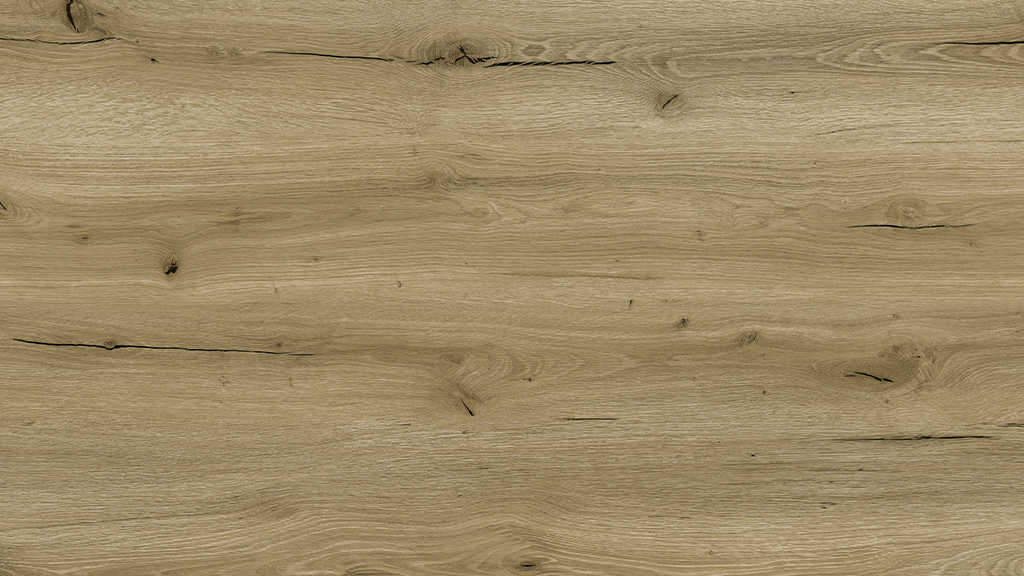
Sunlight and temperature: the quiet differentiator
Nobody thinks about the sun when they buy a floor, and the sun does not care. Flexible LVP that is glued down borrows stability from the adhesive and the subfloor, but loose-lay and cheaper floating LVP can ripple or gap in rooms that heat up through glass every afternoon. SPC's mineral-dense core resists that thermal push far better, which is why it is the safer call for conservatories, south-facing living rooms and homes in hot climates. UV protection matters too: a proper coating, like the 2X UV treatment MILAT applies, slows the fading that direct light works on any decorative floor.
Repairs: what happens when one plank gets damaged
Every floor eventually meets a dropped iron or a dragged appliance. With a floating click floor such as SPC, a damaged plank can be swapped: unclick back from the nearest wall, replace, reassemble. It is a job for a patient afternoon rather than a crisis. Glue-down LVP repairs mean cutting out the damaged plank, scraping adhesive and setting a new one, which is doable but messier and more visible if done poorly. Either way, the real lesson is to keep a spare box from your original batch, because a replacement plank from a later production run may not match perfectly.
Reading the spec sheet when both say vinyl
Because SPC legally and technically sits inside the vinyl family, spec sheets can blur the line. Three lines on the datasheet separate them quickly. Core composition tells you whether you are holding a rigid stone-polymer product or a flexible one. Total thickness combined with density hints at rigidity: rigid cores achieve stiffness at modest thickness. And the locking system entry tells you whether the floor floats on a proper mechanical click; a licensed system such as Unilin is a strong signal of an engineered rigid-core product rather than a flexible plank with a decorative groove.
- Core: stone plastic composite means SPC; virgin or flexible PVC core means traditional LVP
- Click system: licensed mechanical locking points to rigid core
- Installation method: glue-down or loose-lay usually signals flexible LVP
Rental properties and heavy-turnover spaces
Landlords and property managers stress floors in a specific way: not one family's habits but a rotation of tenants, movers, and furniture dragged in and out every year or two. This is where SPC's dent resistance and stable joints earn their keep, and where the click format pays twice, once at installation and again when a damaged plank needs swapping between tenancies without redoing the room. Flexible LVP can work in rentals when glued professionally, but the combination of speed, repairability and toughness explains why rigid core has become the default recommendation for buy-to-let refurbishments.
How a manufacturer sees the SPC versus LVP question
From the factory floor, these are different products that happen to share a surface. Flexible LVP is dominated by the plasticised core recipe and adhesive-friendly flatness. SPC is an exercise in composite engineering: getting the stone-to-polymer ratio right so the core is rigid but not brittle, bonding an IXPE acoustic layer so a hard floor does not sound hard, pressing an EIR texture so the grain you feel follows the grain you see. That is why serious SPC producers publish full test data while much generic LVP ships with a thin datasheet. When one product asks more of the factory, the factory that does it well has more to show you.
Talk to MILAT Floor
Samples, specifications, OEM & private label, wholesale or export — our team is ready.