
SPC and laminate can look similar, but they are built very differently. SPC (Stone Plastic Composite) has a rigid, 100% waterproof mineral core; laminate is built on a wood-based HDF core that swells when it gets wet. That single difference drives most of what sets these floors apart. MILAT Floor manufactures rigid-core SPC with an Embossed In Register (EIR) surface.
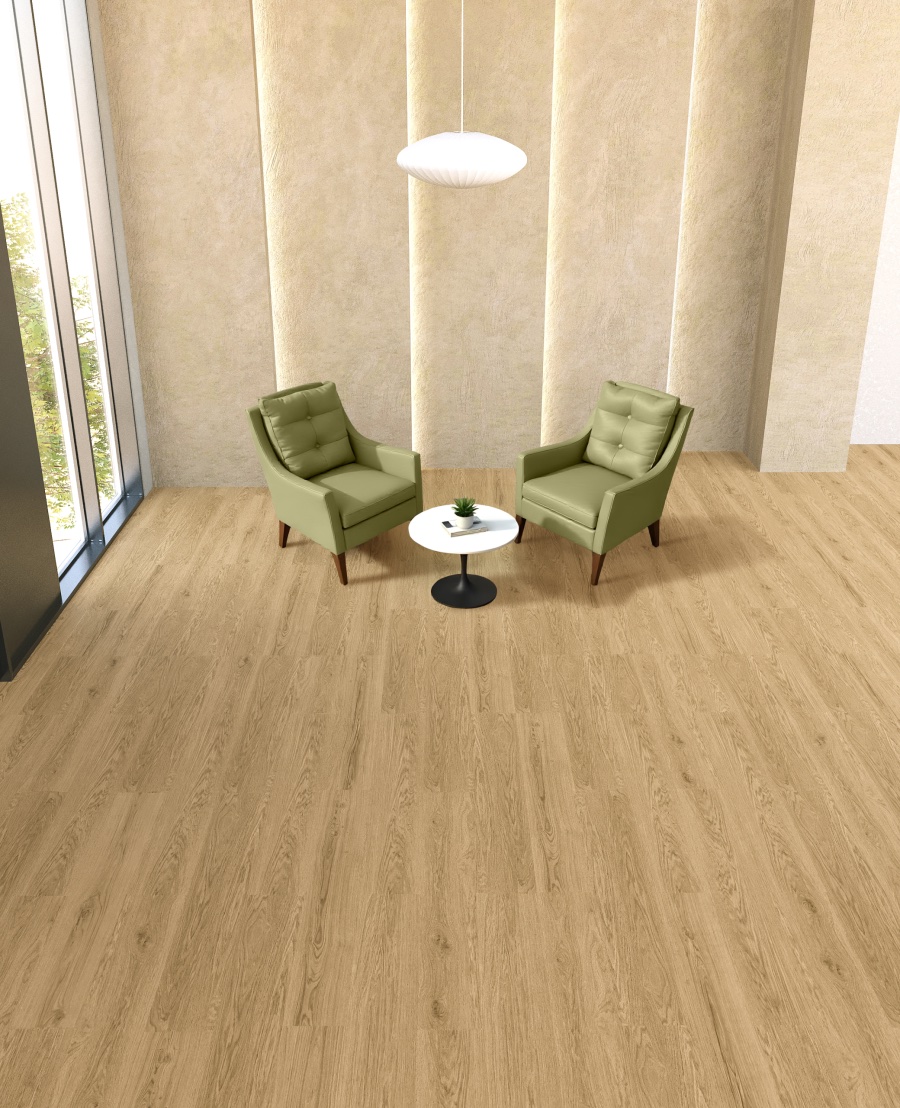
The core difference: mineral vs wood
SPC is built around a stone-plastic composite core — a dense mineral core that is fully waterproof and dimensionally stable. Laminate uses a high-density fibreboard (HDF) core made from compressed wood fibres. HDF is durable when dry, but because it is wood-based it can absorb water, swell and delaminate in wet conditions.
Is SPC more waterproof than laminate?
Yes. A MILAT SPC floor has a 100% waterproof core, so it can be installed in kitchens, bathrooms and laundry rooms. Standard laminate is only moisture-resistant at best and is generally not recommended for wet areas.
| SPC (MILAT) | Laminate | |
|---|---|---|
| Core | Rigid stone-plastic composite | Wood-based HDF |
| Waterproof | 100% waterproof core | Moisture-resistant at best |
| Wet areas | Kitchens, bathrooms, laundries | Not generally recommended |
| Surface | Embossed In Register (EIR) | Printed, often embossed |
| Wear rating | Up to AC5 | Varies by product |
| Underfoot | Firm, with an IXPE acoustic layer | Firm, can sound hollow |
| Installation | Tool-free licensed Unilin click | Click, often glueless |
Durability and everyday life
MILAT SPC floors are rated up to AC5 — the highest common wear class — with a wear layer and a 2X UV coating protecting the design. Laminate durability varies by product and grade. For high-traffic homes and commercial spaces where spills and moisture are common, a waterproof SPC core is the safer long-term choice.
Which should you choose?
If you need genuine waterproofing, dimensional stability and heavy-traffic durability — especially in kitchens, bathrooms or commercial areas — rigid-core SPC is the stronger option. MILAT produces SPC across three EIR collections and 54 designs.
Sound and feel underfoot
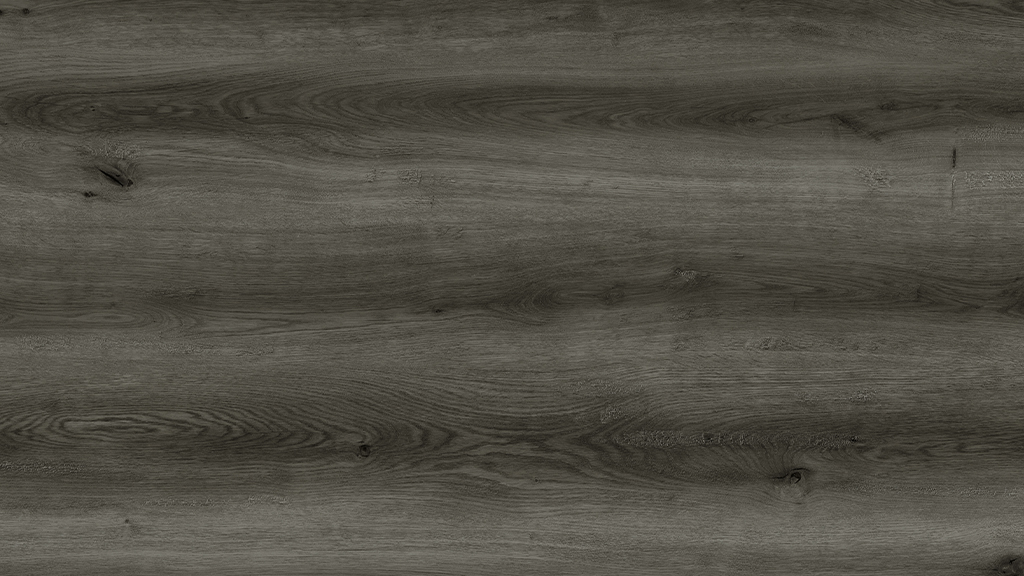
Laminate has a reputation for sounding hollow and clicky, and it earned it: a hard HDF board floating on thin foam amplifies every heel strike. SPC is denser, and quality boards carry an attached acoustic layer that changes the experience entirely. MILAT planks come with an IXPE layer bonded underneath that absorbs up to 21 dB of sound, so the floor sounds solid when you walk it and transmits less noise to the room below. Underfoot, both feel firm rather than soft, but SPC stays quieter in apartments and upstairs bedrooms where laminate tends to advertise every footstep.
Underfloor heating: one behaves, one needs watching
Both materials can go over water-based underfloor heating within the temperature limits the manufacturer sets, but they respond differently. Laminate's wood-fibre core dries out under sustained heat and can gap at the joints in winter when the heating runs and the air is dry. SPC's mineral core does not care about air humidity, so seasonal joint movement is far smaller. If your heating system is the main event in the room, the stone-based core is simply the lower-risk choice, provided the installer respects the expansion gap and the heat-up protocol.
Room by room: where each one belongs
| Room | Better fit | Why |
|---|---|---|
| Kitchen | SPC | Spills and dropped ice cubes are daily events, and the waterproof core shrugs them off |
| Bathroom or laundry | SPC | Laminate is out of its depth; standing water finds HDF eventually |
| Living room | Either | Both handle traffic; decide on feel, sound and budget |
| Bedroom | Either | SPC with an acoustic layer is quieter; laminate is fine with good underlay |
| Basement | SPC | Below-grade humidity and concrete moisture rule laminate out |
| Entrance hall | SPC | Wet shoes, umbrellas and grit meet a waterproof, hard-wearing surface |
What happens when something goes wrong
Floors get damaged; the question is what recovery looks like. A laminate board that swells from a leak is finished, and because swelling spreads along the seams, one incident often takes several boards with it. With SPC the water itself does no structural harm, so the damage that matters is mechanical, a deep gouge or a burn, and it stays local to one plank. Both floor types, when click-locked, allow you to open the floor from the nearest wall and swap a plank. Keeping one spare box from your original batch is cheap insurance for either material, since decors get discontinued and replacement batches can differ slightly in tone.
Cleaning routines are not the same
Laminate care sheets read like a warning label: damp mop only, wrung nearly dry, wipe spills fast, never steam. That caution exists because moisture that reaches the core cannot be undone. SPC removes the anxiety. A wet mop is fine, spills can wait until you find them, and everyday cleaning is a vacuum plus a neutral cleaner. Neither floor wants abrasive powders or wax polishes, which dull the wear layer, and both benefit from felt pads under furniture. But if you want a floor the cleaner can mop without a briefing, that is the SPC column again.
Talk to MILAT Floor
Samples, specifications, OEM & private label, wholesale or export — our team is ready.