
Here is the short answer people usually want first: SPC is a type of LVT, not a rival to it. LVT (Luxury Vinyl Tile) is the whole family of layered, printed vinyl planks and tiles. SPC (Stone Plastic Composite) is the rigid-core branch of that family, built on a dense stone-composite core. So the real comparison is rigid-core SPC versus older, flexible LVT — and the core is what changes everything about how the floor feels, installs and lasts. MILAT Floor manufactures rigid-core SPC with an Embossed In Register (EIR) surface.
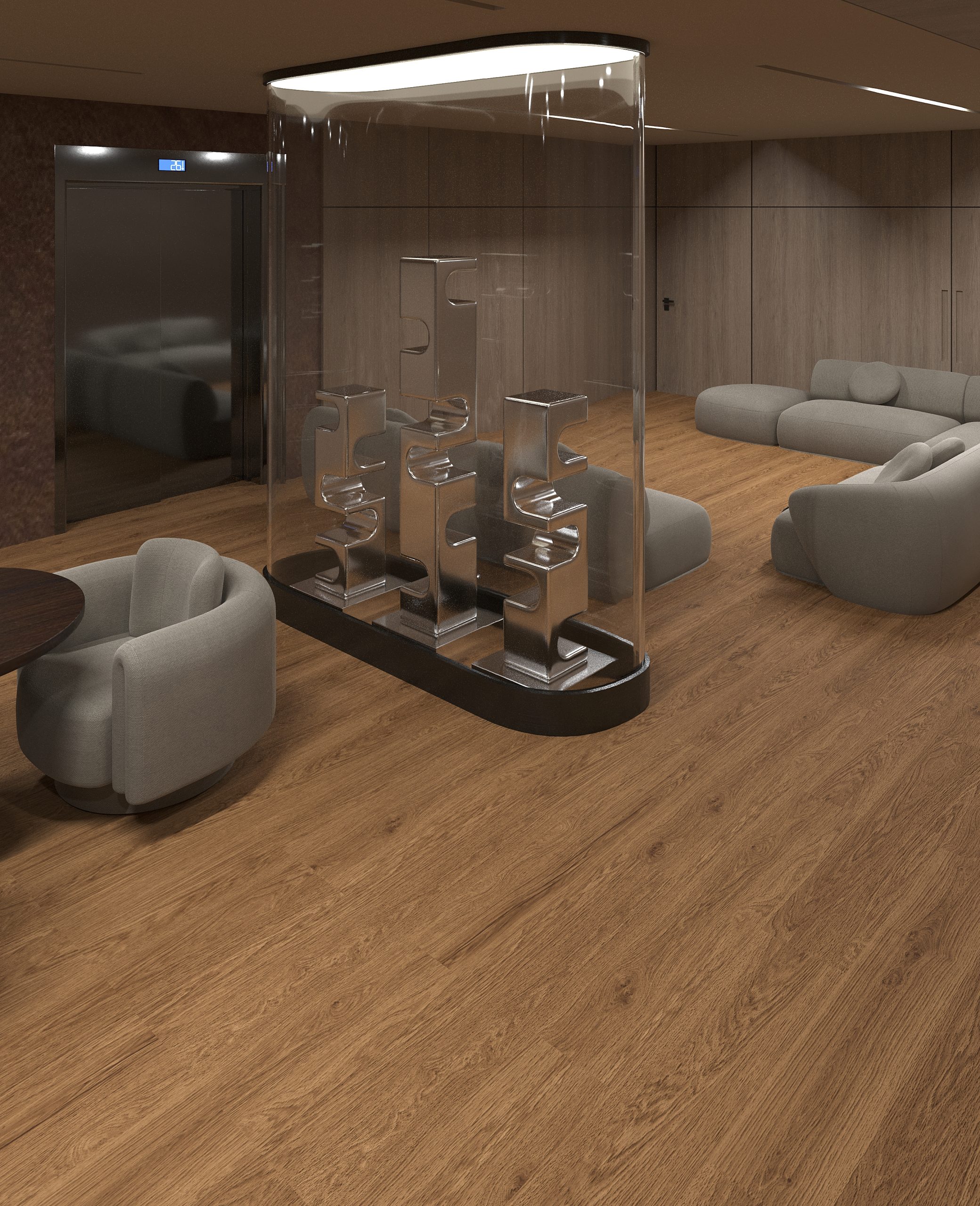
Is SPC the same as LVT?
Not quite — SPC sits inside the LVT category. Every SPC plank is a luxury vinyl floor with a printed decorative layer and a protective wear layer, which is what makes it LVT. What earns it the separate name is the core: instead of the thin, flexible core in traditional LVT, SPC uses a rigid stone-plastic composite. When shops put SPC and LVT side by side, the LVT on the shelf is usually the flexible, glue-down or thin-click kind, and that is the comparison below.
The core difference
The core is the whole story. A rigid SPC core stays flat and dimensionally stable, bridges minor subfloor imperfections, and barely moves with temperature. A flexible LVT core is thinner and softer; it feels forgiving underfoot but follows the subfloor beneath it, so any dip or bump can telegraph through over time.
| SPC (rigid core) | Flexible LVT | |
|---|---|---|
| Core | Rigid stone-plastic composite | Thin, flexible vinyl |
| Waterproof | 100% waterproof core | Water-resistant, relies on seams |
| Subfloor imperfections | Bridges minor imperfections | Telegraphs bumps and dips |
| Dimensional stability | High — resists heat movement | More expansion and contraction |
| Underfoot feel | Firm and solid | Softer, more give |
| Installation | Click, floating, tool-free | Click or glue-down |
| Wear rating | Up to AC5 on MILAT boards | Varies by product |
| Best for | Wet areas, high-traffic, commercial | Smooth subfloors, quiet rooms |
Waterproofing
Both are vinyl, so neither swells the way laminate does. The difference is depth of protection. A MILAT SPC core is 100% waterproof through the plank, and the click joints are engineered to keep surface water out — which is why SPC goes confidently into kitchens, bathrooms and laundries. Flexible LVT resists water at the surface, but glue-down seams and cut edges are more vulnerable to standing water working underneath.
Comfort, sound and warmth
This is the one area flexible LVT can win. It is thinner and softer, so it feels a little gentler underfoot and quieter on its own. SPC is firmer by design, but a bonded acoustic layer closes the gap — MILAT laminates an IXPE backing rated up to 21 dB, which takes the click and echo out of a rigid floor without giving up stability.
Installation and subfloor
SPC is the more forgiving floor to fit. Its stiffness spans small subfloor flaws and it floats with a tool-free click, so prep is usually lighter and there is no adhesive or curing time. Flexible LVT demands a flatter, cleaner base, and glue-down versions add adhesive, working time and mess. For a DIY install over an imperfect subfloor, rigid SPC is the safer bet.
SPC or LVT: which should you choose?
Match the floor to the room. For kitchens, bathrooms, hallways, basements and any commercial space, rigid-core SPC gives the best balance of waterproofing, stability and durability. For a quiet bedroom or a study with a already-smooth subfloor, where a softer, thinner floor is welcome, flexible LVT still makes sense. For a whole-home floor that has to cope with everything, SPC is the lower-risk default.
MILAT's approach
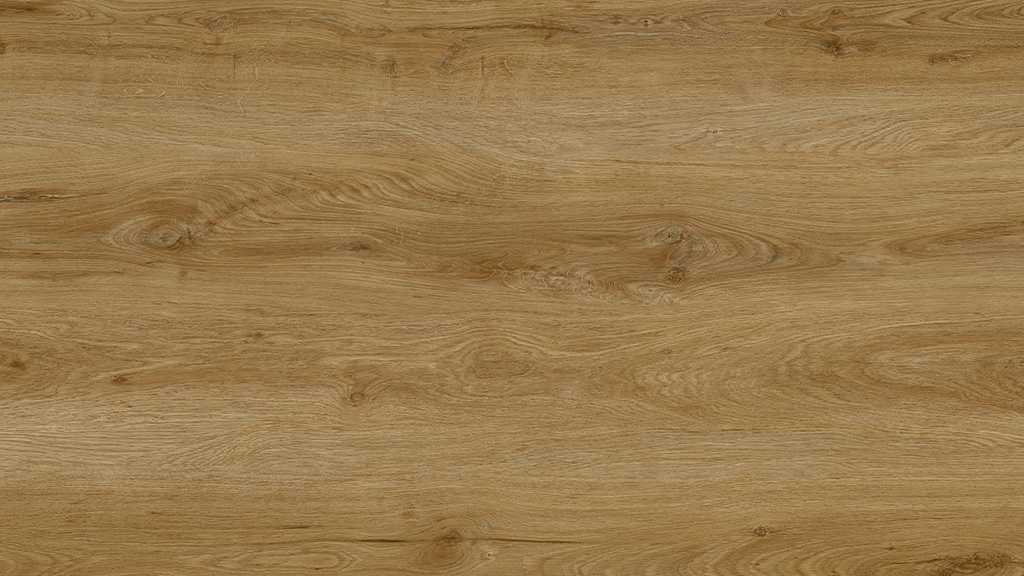
MILAT Floor manufactures rigid-core SPC with EIR surfaces in Gaziantep, Türkiye: a 100% waterproof core, an AC5 wear rating, an IXPE acoustic layer and a licensed Unilin click, across three collections and 54 designs — with OEM, private label and custom options for brands and projects.
How each type ages over the years
A showroom sample tells you nothing about year five. Flexible LVT relies on its adhesive bond and the flatness beneath it; over time, heavy furniture can leave slight impressions in the softer core, and any adhesive failure shows up as lifted edges. SPC's mineral-filled core resists point loads far better, so a piano leg or a fridge foot leaves less of a mark. Where SPC shows its age is at the surface, which is why the wear layer and coating quality matter more than the core once a decade has passed.
The honest summary: LVT ages from below, SPC ages from above. If you buy SPC with a serious wear layer and a proper UV coating, you have covered the only place it can realistically fail early.
Reading the spec sheet, not the label
Marketing names blur the line between SPC and LVT on purpose. Rigid core, hybrid, stone composite, dryback, looselay: they all live somewhere on the same family tree. The spec sheet settles it. Look at the core description, the total thickness, the wear layer thickness, and whether the plank installs by click or by adhesive. A rigid mineral core with a click profile is SPC behaviour regardless of what the box says. A flexible plank that needs glue is traditional LVT behaviour, whatever the brand calls it.
- Core: mineral-filled rigid core points to SPC; flexible PVC core points to LVT
- Installation: click profile suggests floating SPC; full-spread adhesive suggests dryback LVT
- Wear layer: compare thicknesses directly, this is where durability actually lives
- Certification: FloorScore and CE documents should name the actual product, not just the brand
Climate, sunrooms and holiday homes
Temperature swing is where the two products separate most clearly. A conservatory that bakes in summer and freezes in winter will push any floor around, and flexible LVT glued to a stable subfloor actually handles heat gain well because the adhesive restrains it. A floating floor needs a dimensionally stable core to survive the same room, and SPC's stone content is exactly what keeps expansion and contraction small. For holiday homes that sit unheated for months, that stability plus a fully waterproof core makes rigid SPC the safer unattended choice.
Renovating versus building new
In renovation, SPC usually wins on practicality. It floats over many existing floors, forgives minor imperfections better than thin flexible planks, and skips the adhesive cure time, so a room is back in use the same day. In a new build the calculation shifts: the subfloor is fresh and can be finished perfectly flat, doors are hung after the flooring, and an installer can choose either format on merit rather than necessity. That is why the same product family can be the obvious answer in one project and an open question in the next.
The mistake buyers make when comparing quotes
The most common error is comparing an SPC quote against an LVT quote as if the numbers describe the same finished job. Dryback LVT quotes often exclude the subfloor preparation and adhesive that the product demands; click SPC quotes usually describe something closer to the finished floor. Compare full installed scope, line by line, or you are comparing two different projects. A manufacturer sees this weekly: two offers that look far apart converge once preparation, accessories and installation method are priced honestly.
Talk to MILAT Floor
Samples, specifications, OEM & private label, wholesale or export — our team is ready.