
Engineered wood is a real-wood floor — a hardwood veneer over a plywood or HDF base. SPC is a waterproof mineral-core vinyl floor with a printed, Embossed In Register (EIR) wood or stone design. Both can look like timber; they behave very differently around water and traffic. MILAT Floor manufactures rigid-core SPC.
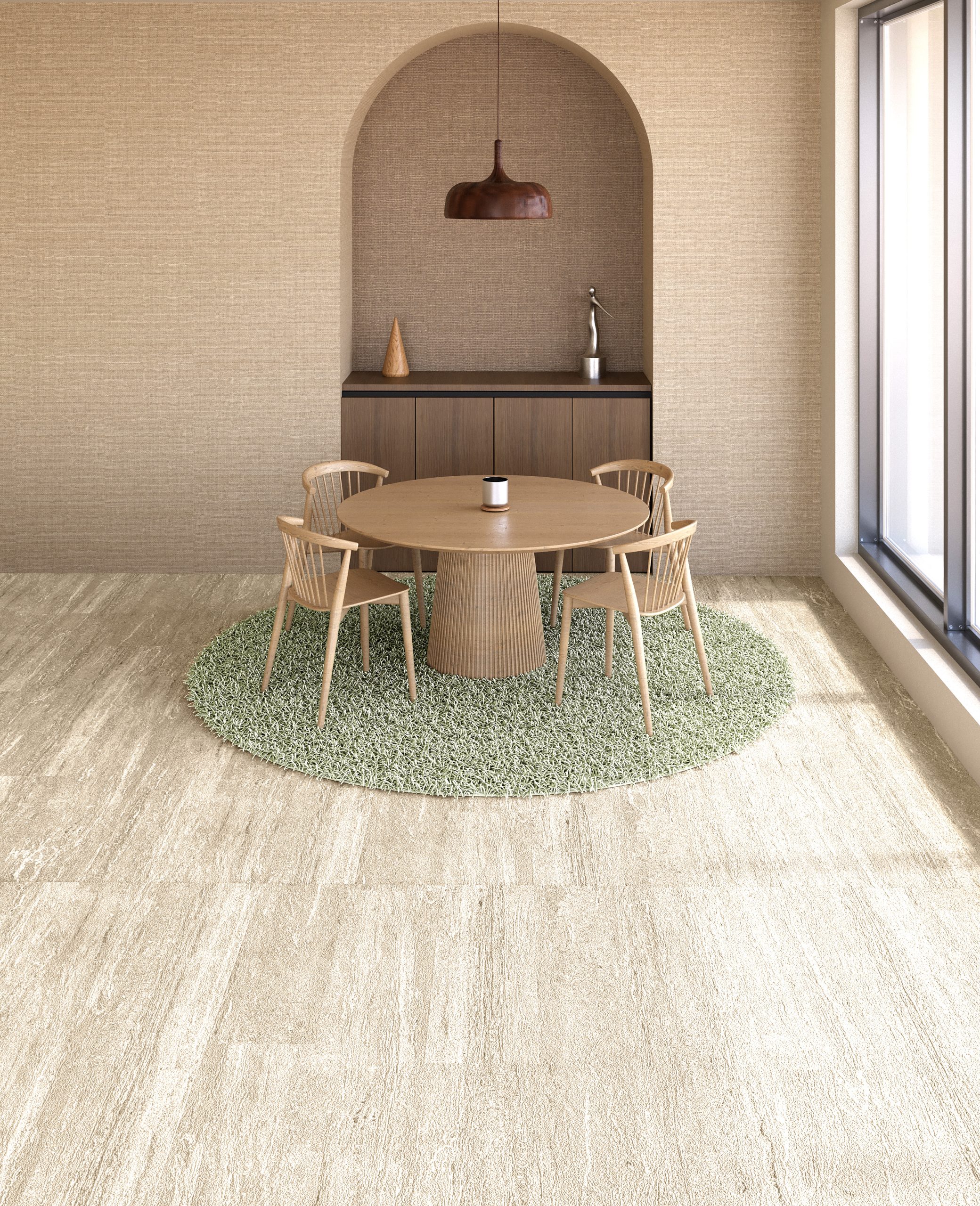
What each floor is made of
Engineered wood has a top layer of genuine hardwood bonded to a stable wood-based core, so it can be sanded a limited number of times. SPC has no real wood — it pairs a rigid stone-plastic composite core with a high-resolution EIR surface that reproduces wood grain in texture and print.
Water, humidity and stability
This is the biggest practical difference. A MILAT SPC floor is 100% waterproof and dimensionally stable, so it suits bathrooms, kitchens and humid climates. Engineered wood, being real timber, is sensitive to moisture and humidity and can move, cup or be damaged by standing water.
| SPC (MILAT) | Engineered wood | |
|---|---|---|
| Surface | EIR-printed wood/stone | Genuine hardwood veneer |
| Core | Rigid stone-plastic composite | Plywood or HDF |
| Waterproof | 100% waterproof core | Not waterproof |
| Humidity tolerance | High, dimensionally stable | Sensitive to moisture |
| Refinishing | Not refinished — wear layer protects | Can be sanded a limited number of times |
| Maintenance | Easy — damp mop | Requires wood-care routine |
| Installation | Tool-free licensed Unilin click | Click, glue or nail |
Feel, look and cost
Engineered wood offers the authenticity of real timber and can be refinished, which some buyers value. SPC offers waterproof performance, easy maintenance and consistent quality, usually at a lower cost, with an EIR surface engineered to look and feel authentic underfoot.
Which is right for your project?
Choose engineered wood if you specifically want real timber and can manage moisture. Choose SPC for waterproof, low-maintenance, high-traffic performance — including wet areas and commercial spaces. MILAT SPC spans three EIR collections and 54 designs.
Decide room by room, not house by house
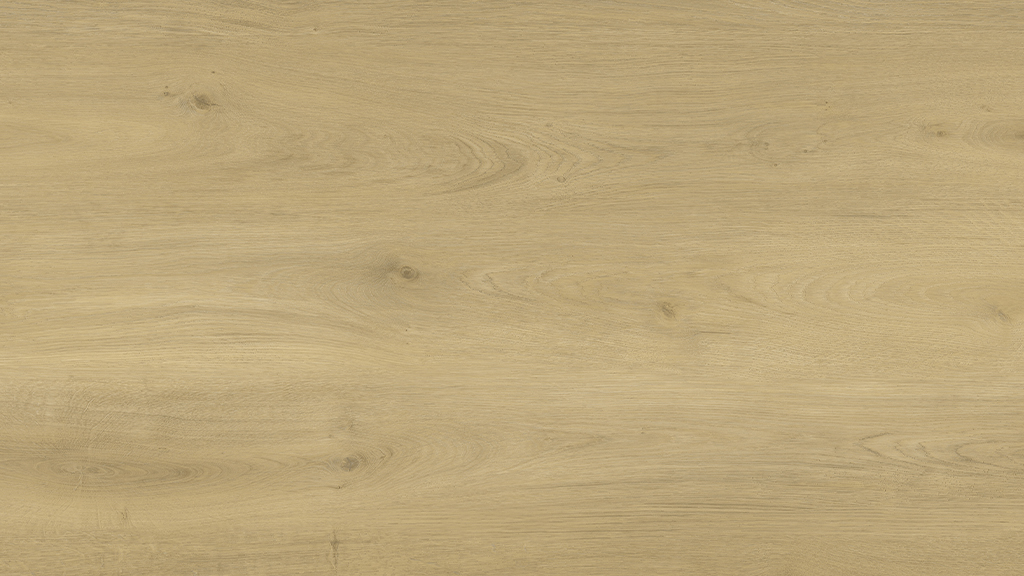
The honest answer to SPC versus engineered wood is often both, in different places. Engineered wood earns its keep in living rooms and bedrooms, where its real timber surface is seen and felt and water is rare. SPC takes over wherever life gets wet or hard: kitchens, bathrooms, laundries, hallways, and anywhere a dropped glass or a soaked boot mat is a matter of time. Many of our customers run a wood-look SPC decor through the wet and busy zones and let it sit comfortably next to real wood elsewhere, with a discreet transition profile at the doorway.
What happens when a plank gets damaged
Damage is where the two floors part ways in practice. A deep gouge in engineered wood can sometimes be sanded out if the veneer is thick enough, but that means dust, days, and refinishing a whole area to blend the repair. A damaged SPC plank is not repaired; it is replaced. With a click floor you unclick back to the damaged board, swap it, and relay — or use a plank-replacement technique mid-floor. That is why keeping a spare box from the original batch matters so much with SPC: the fix is fast, but only if you have matching material on the shelf.
Pets, kids and the abuse test
Households with dogs, children and rolling toys are hard on any floor, and this is where SPC's construction shows its value. Claws that would mark a lacquered wood veneer meet a dense wear layer rated up to AC5 on MILAT boards, with a 2X UV coating over the print. Accidents wipe up without soaking in. Engineered wood can live with pets, but it demands trimmed claws, mats under water bowls and a tolerance for patina. If you would rather not manage the floor, that is an argument for SPC.
Installation skill and what it costs you
Engineered wood rewards experienced hands: it may be glued, secret-nailed or floated, and mistakes in acclimatisation or expansion gaps show up months later. SPC with a licensed Unilin click is far more forgiving — a careful DIYer can lay a room, and professional crews move quickly, which matters when a project is priced by the day. There is a quieter cost difference too: SPC with an attached IXPE pad needs no separate underlay, while engineered wood usually needs underlay or adhesive plus, in some cases, finishing on site.
Climate is a bigger factor than most buyers think
Wood is hygroscopic; it breathes with the seasons. In a coastal apartment with humid summers, or a house that sits empty and unheated part of the year, engineered wood will move, and wide swings can open gaps or cup boards. SPC's mineral core barely reacts to humidity at all, which is why it suits holiday homes, humid climates and buildings with intermittent heating. If your climate or usage pattern is unstable, the stable core wins.
Talk to MILAT Floor
Samples, specifications, OEM & private label, wholesale or export — our team is ready.