
Cork and SPC sit at opposite ends of the comfort-versus-toughness spectrum. Cork is soft, warm, and quiet — a floor you feel. SPC is firm, waterproof, and hard-wearing — a floor you forget about. Knowing which trade-off you actually want makes this an easy decision.
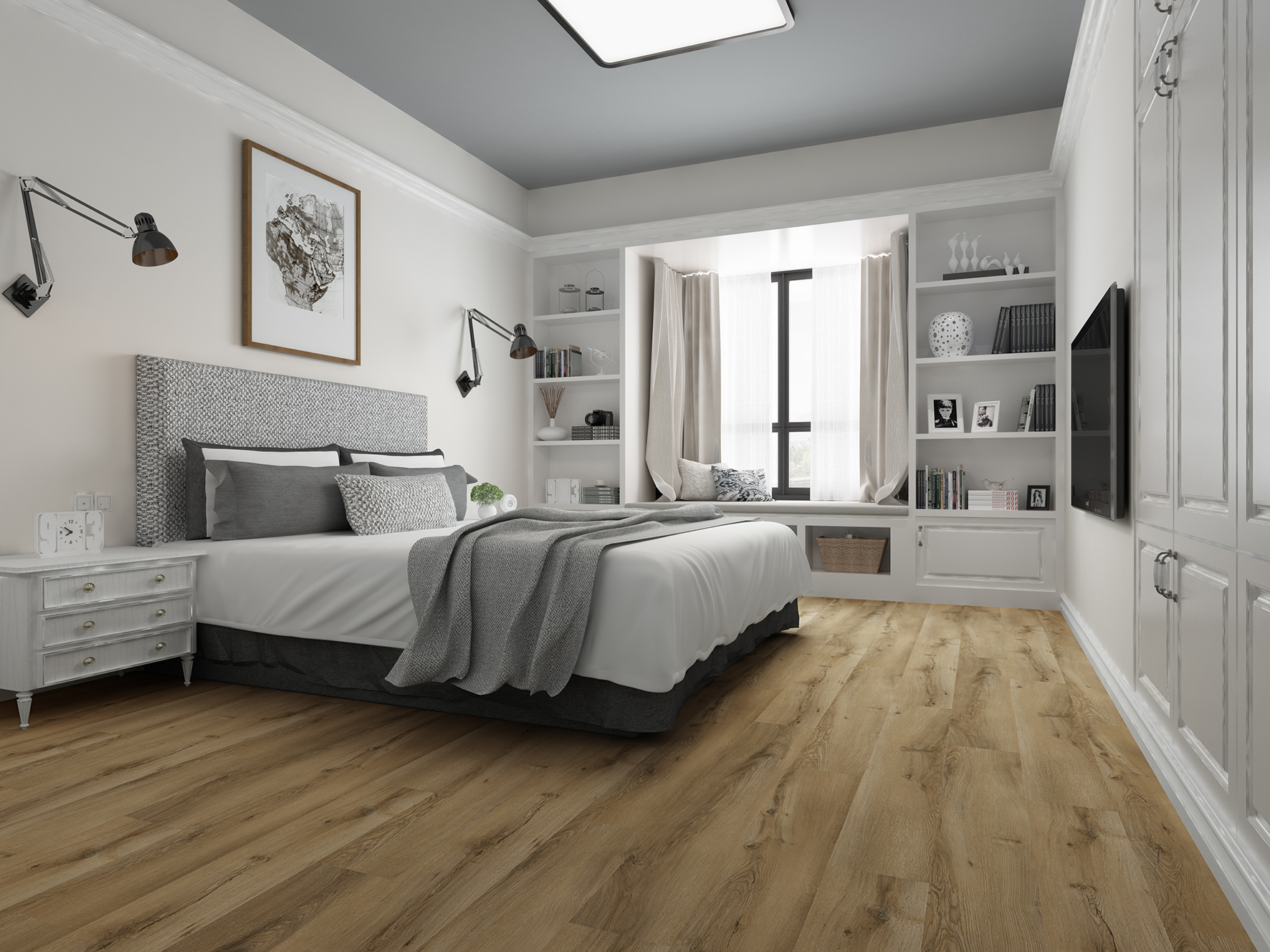
Two very different materials
Cork comes from the bark of the cork oak, harvested without felling the tree, then ground and pressed into tiles or planks. It's cushioned, insulating, and naturally sound-absorbing. SPC is a rigid vinyl plank built on a dense stone-polymer core. Cork's whole appeal is give and warmth; SPC's is stability and resistance to whatever the room throws at it.
Comfort, warmth, and acoustics
Cork is the clear winner underfoot. It compresses slightly with each step, eases joint fatigue in the kitchen, and holds warmth better than most floors. It also damps sound naturally. SPC closes part of that gap with an attached acoustic layer — MILAT laminates an IXPE layer rated up to 21 dB — but it stays firm by design. If a soft, warm step is the priority, cork leads; if you want quiet without softness, SPC's underlayment does the job.
Durability and denting
Cork's softness cuts both ways. Furniture legs, high heels, and dropped objects can leave dents, and while minor compressions may recover, sharp impacts leave marks. Sunlight fades natural cork over time, and it needs periodic sealing to stay protected. SPC resists dents thanks to its mineral core, shrugs off scratches through its wear layer, and its UV coating guards against fading — with no resealing required.
- Cork dents under heavy furniture and point loads
- Cork can fade in direct sun and needs periodic sealing
- SPC resists dents, scratches, and UV fade with no maintenance coating
- Cork is warmer and softer; SPC is harder and more stable
Water and where each belongs
Cork tolerates humidity better than wood but isn't waterproof; unsealed or worn cork can absorb moisture, and standing water is a problem. SPC is waterproof through the core, so it handles bathrooms, kitchens, and basements without worry. Cork is happiest in dry living spaces, studies, and bedrooms where its comfort shines.
| SPC | Cork | |
|---|---|---|
| Material | Rigid vinyl, stone core | Natural cork bark |
| Feel | Firm | Soft, cushioned |
| Warmth | Neutral | Warm, insulating |
| Waterproof | Yes | No, water-resistant if sealed |
| Dent resistance | High | Low |
| Maintenance | Low, no resealing | Periodic sealing |
| Best rooms | Anywhere, incl. wet areas | Dry living spaces |
Which should you pick?
Go with cork if comfort, warmth, and natural sound absorption matter most and you'll keep it in dry rooms you're happy to maintain. Go with SPC if you want a low-maintenance, waterproof floor that resists dents and traffic across the whole house. They solve different problems — soft and warm versus tough and worry-free.
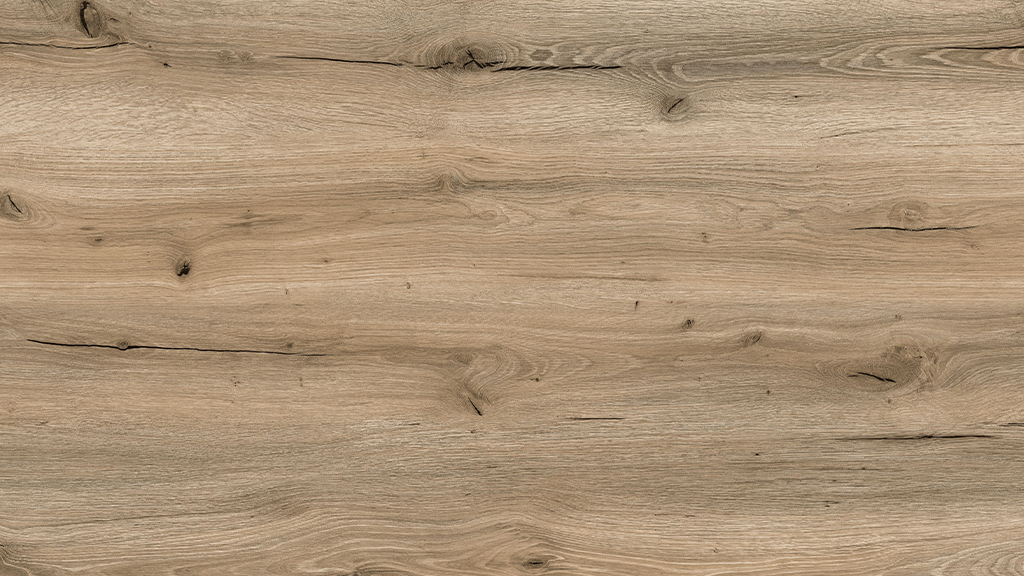
The maintenance story over ten years
The showroom comparison is about feel; the ownership comparison is about upkeep. Cork wears its finish on the surface, and that finish needs care: recoating in traffic lanes, prompt attention to spills, and rugs at doorways. Done faithfully, a cork floor rewards you for decades. SPC asks for almost nothing. The wear layer and 2X UV coating are factory-cured, there is nothing to re-oil or re-seal, and maintenance is sweeping and a damp mop. If your household is diligent, cork's ritual is manageable. If it is busy and forgetful, SPC forgives you.
Pets, claws, and traffic lanes
Dogs are the honest test of any floor. Claws that skitter across cork leave marks in the soft surface, and a food-and-water corner takes a beating from moisture and scraping bowls. On SPC, claws meet a hard wear layer designed for abrasion, and spilled water bowls meet a core that does not care. Cork does offer paws a warmer, softer landing, which elderly pets appreciate. Households with large or young dogs usually land on SPC for the main runs and save soft surfaces for the rooms where the animals rest rather than run.
Installation formats compared
Cork comes as glue-down tiles or as click planks with a cork veneer on a composite board; SPC comes as rigid click planks with the mechanism milled into the core. Glue-down cork is a skilled, adhesive-heavy job best left to specialists. Click cork installs like laminate but its joints sit in softer material and demand gentler handling. SPC's licensed Unilin click locks in a stiff mineral core, tolerates enthusiastic DIY, and can be opened and re-laid. For self-installers, the rigid click is the least risky path by a clear margin.
Underfloor heating and thermal comfort
Here the two materials flip roles in an interesting way. Cork is an insulator, which is why it feels warm barefoot, but that same property makes it a blanket over underfloor heating, slowing response and muting output. SPC's dense mineral core conducts heat from a UFH system more willingly, so the room responds faster and the floor surface itself carries the warmth. In short: without UFH, cork feels warmer; with UFH, SPC uses the heating better. Always follow the heating system's surface temperature limits with either floor.
Using both in one home
This comparison does not have to end in a single winner. A sensible whole-house plan puts SPC through the kitchen, hallway, bathrooms, and utility, where water and traffic rule, and lets cork provide its warmth in a bedroom, study, or playroom upstairs. Keep the two zones separated at doorways with proper transition profiles and choose tones that share an undertone so the house reads as one design. Manufacturers see this hybrid approach constantly; the mistake is not mixing materials, it is mixing them without a plan for the thresholds.
Talk to MILAT Floor
Samples, specifications, OEM & private label, wholesale or export — our team is ready.