
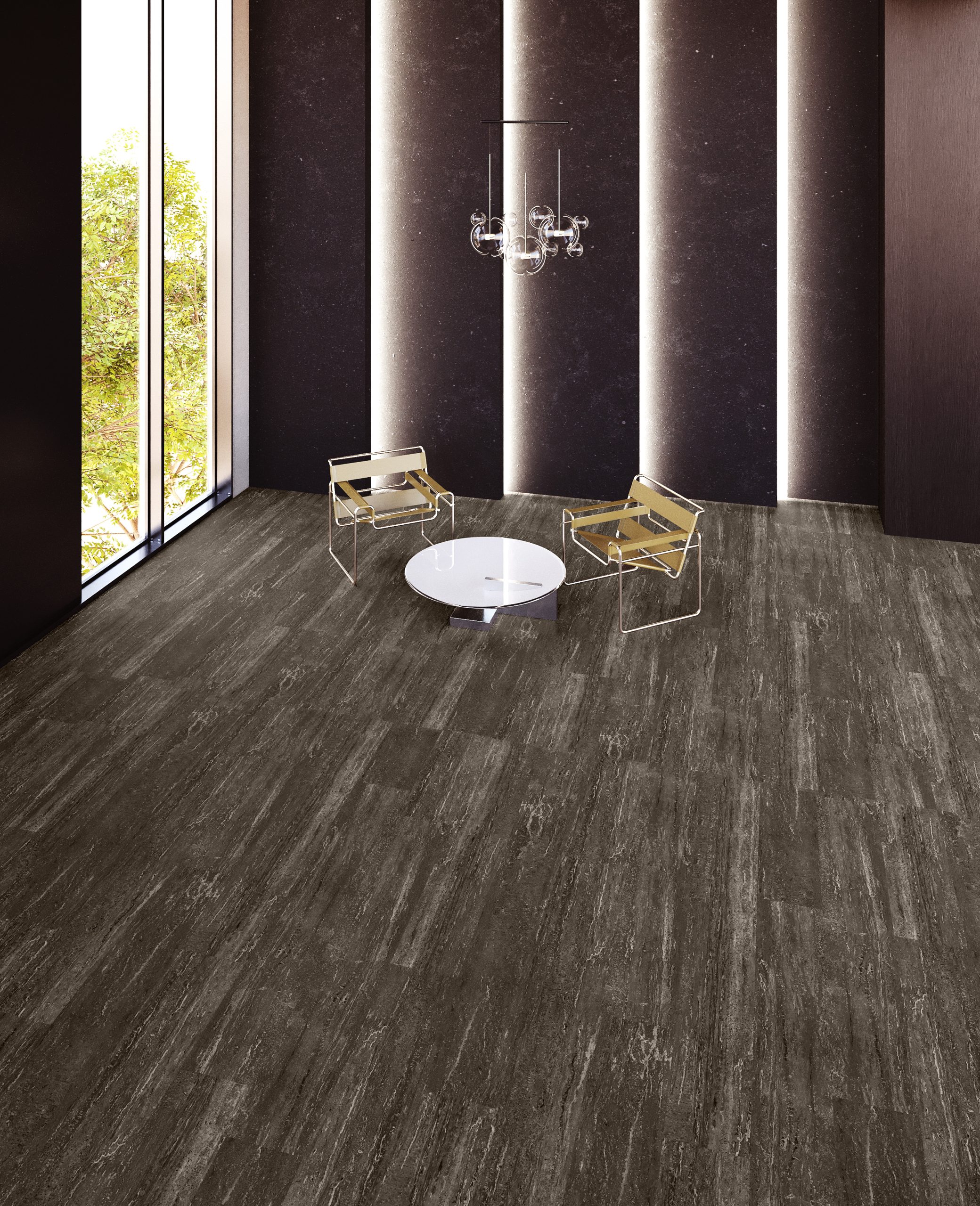
Bathrooms, kitchens and laundry rooms are the hardest test for any floor: standing water, spills, steam and constant use. This is exactly where SPC excels. MILAT Floor manufactures SPC on a 100% waterproof core, so the floor won't swell or delaminate the way wood-based options can.
Why SPC suits wet areas
A MILAT SPC plank is built on a 100% waterproof core. Water sitting on the surface, splashes around a sink, or steam from a shower will not damage or swell the plank — the reason SPC is a natural fit for bathrooms, kitchens, en-suites and laundry rooms where laminate or engineered wood would be at risk.
Comfort, warmth and safety
- Warmer and softer underfoot than cold ceramic tile.
- Quieter thanks to an IXPE acoustic layer that improves sound absorption by up to 21 dB.
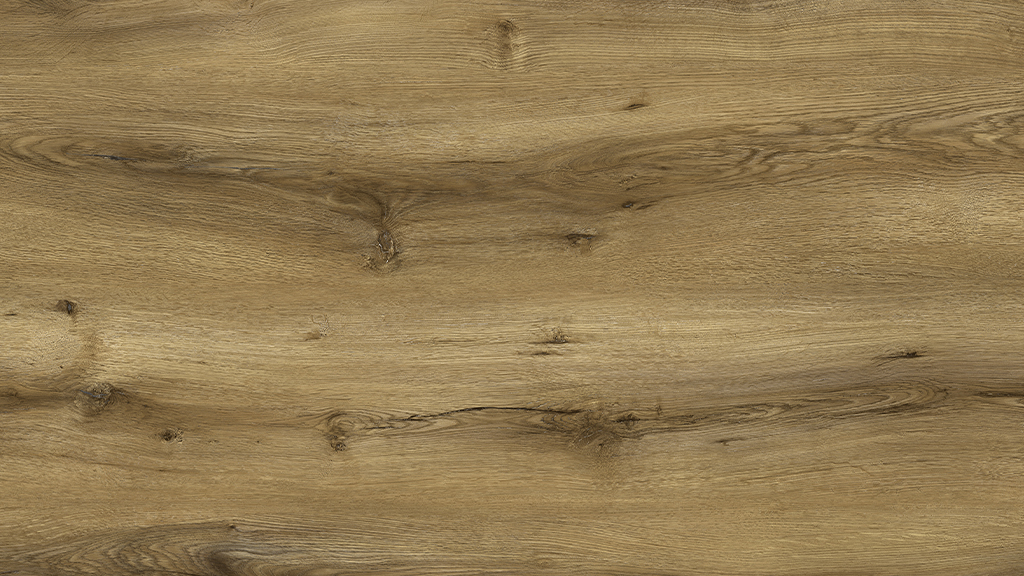
- An EIR-textured surface that looks like real wood or stone.
- No grout lines to trap dirt — easy to keep clean and hygienic.
Hygiene and maintenance
Because the surface is sealed and the core is waterproof, a MILAT SPC floor is simple to keep clean — sweep and damp-mop, with no grout scrubbing and no special wood care. That makes it practical for the busiest rooms in the home.
Installation over existing floors
MILAT SPC uses a licensed Unilin click system — tool-free, up to 60% faster than glue-down, and reversible. On a clean, flat, dry subfloor it goes down quickly, which is ideal for bathroom and kitchen refits.
The floor is waterproof; the room still needs detailing
An SPC plank will shrug off water indefinitely, but water that finds the perimeter can still reach the subfloor beneath any floating floor. That is why wet rooms get one extra step: a bead of flexible sealant where the floor meets the bathtub, the shower tray and the toilet base. The expansion gap along the walls stays open as normal and hides under skirting or trim, but the fittings that get splashed daily deserve the sealant line. It takes twenty minutes and turns a waterproof floor into a waterproof installation.
After a leak: why SPC changes the story
Every kitchen eventually has its event: a failed dishwasher hose, a fridge water line, a sink left running. With laminate or wood, that usually means a swollen, rippled floor and an insurance claim. With SPC the planks themselves are unharmed. If water has run under the floor, the click system lets you lift planks back to the wet zone, dry the subfloor properly, and reinstall the same boards. No other hard floor category recovers from a flood this cheaply, and it is the reason insurers and landlords have quietly become some of the biggest fans of rigid core flooring.
Choosing designs for small wet rooms
Bathrooms are usually the smallest rooms in the house, and floor pattern shows there more than anywhere. Lighter oak and stone tones open a compact space up, while a strong rustic grain can feel busy between a bath and a vanity. The EIR texture MILAT uses matters here too: the surface relief follows the printed grain, so even under bright bathroom lighting the floor reads as wood or stone rather than a repeating print. In tight rooms with lots of cut planks, a calmer design also hides the fact that few boards run full length.
Laundry and utility rooms: the forgotten wet zone
Laundry rooms combine everything floors hate: vibration from the machine, detergent spills, condensation and the occasional overflowing drum. SPC handles all of it, but plan the details. Put the washing machine on a proper tray if the room is above a living space, keep the anti-vibration feet on hard rubber pads rather than directly on the floor, and leave the expansion gap free behind the machines where nobody ever looks. The attached IXPE layer helps take the hum out of a spin cycle, which matters more than people expect in apartments.
Steam, heat and the bathroom climate
A bathroom cycles from cold tile temperatures to steam-room humidity several times a day. Flexible vinyl and laminate dislike that rhythm; the stone-polymer core in SPC barely notices it, because the material takes on practically no moisture and moves very little with temperature. Ventilate as you normally would to protect walls and ceilings, keep bath mats without rubber backing, and the floor itself needs no special regime at all. That indifference to climate swings is exactly what a hardworking family bathroom needs.
Talk to MILAT Floor
Samples, specifications, OEM & private label, wholesale or export — our team is ready.