
Ceramic tile has long been the default for waterproof floors, but rigid-core SPC now offers the same waterproofing with a warmer, softer, faster-to-install alternative. Here's how they compare. MILAT Floor manufactures 100% waterproof SPC with an Embossed In Register (EIR) surface.
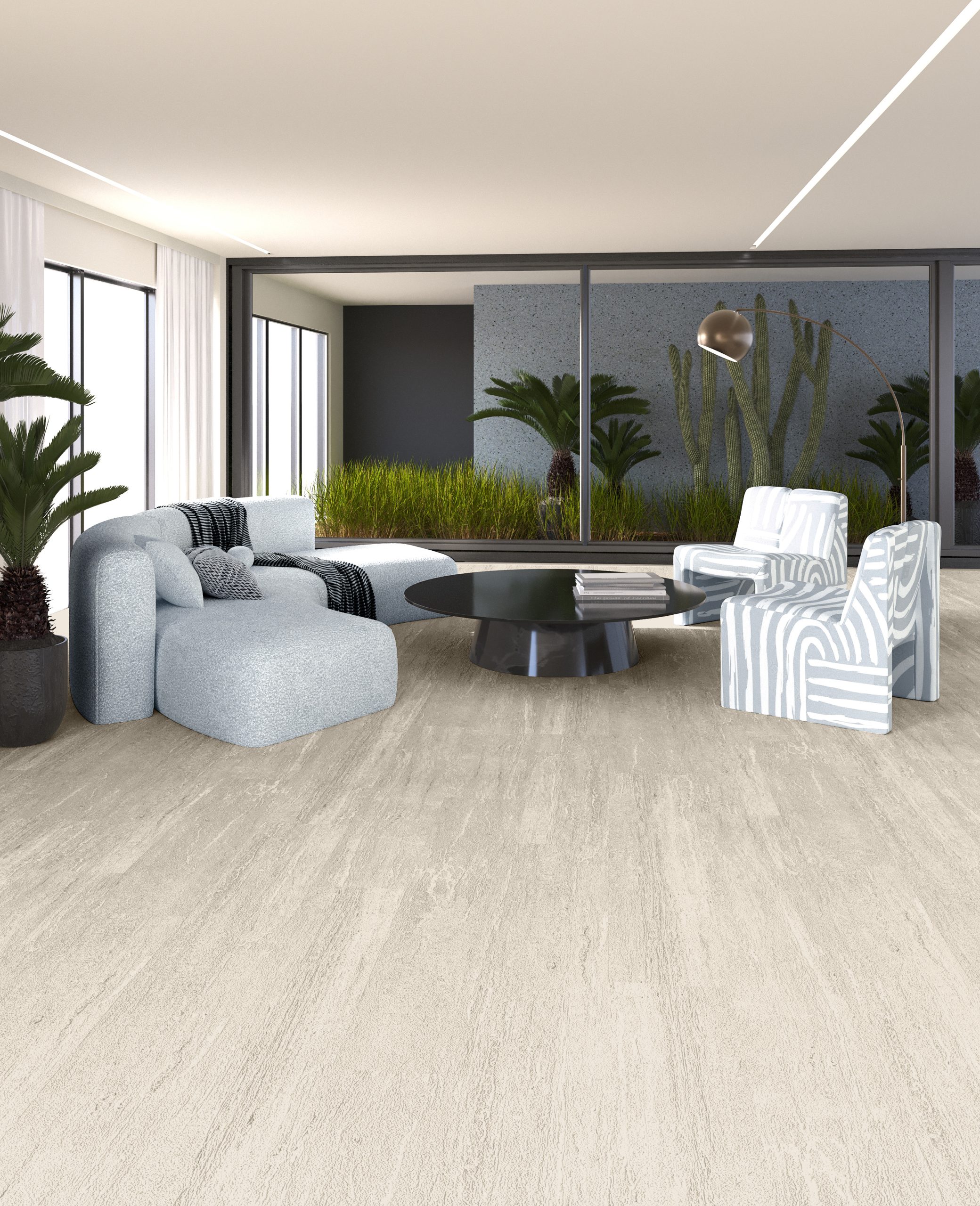
Both are waterproof — but they feel different
Ceramic and porcelain tile are naturally waterproof, and so is a MILAT SPC floor thanks to its 100% waterproof core. The everyday difference is comfort: tile is hard and cold underfoot, while SPC is warmer, quieter and softer, helped by its IXPE acoustic layer.
| SPC (MILAT) | Ceramic tile | |
|---|---|---|
| Waterproof | 100% waterproof core | Waterproof |
| Underfoot feel | Warm, soft, quiet | Hard and cold |
| Grout lines | None — click planks | Grout that needs cleaning |
| Installation | Tool-free click, fast, dry | Adhesive, grout, slower |
| Comfort / acoustics | IXPE layer, up to 21 dB | Reflective, can be noisy |
| Repairs | Planks unlock and replace | Cracked tiles harder to replace |
| Look | Wood and stone EIR designs | Ceramic finishes |
Installation and repair
Tile installation is a wet trade — adhesive, spacers, grouting and curing time. MILAT SPC installs with a licensed Unilin click system: tool-free, up to 60% faster than traditional methods, and reversible, so a damaged plank can be unlocked and replaced without disturbing the rest of the floor.
Which is right for your space?
Tile still suits specific wet zones and outdoor-adjacent areas. But for living spaces, bathrooms, kitchens and commercial interiors that want waterproofing with warmth, comfort and fast installation, SPC is a compelling alternative — with wood and stone looks across three EIR collections and 54 designs.
Weight: the difference nobody mentions
Ceramic and porcelain are heavy, and the mortar bed underneath adds more. On a ground-floor slab that is irrelevant; on a timber upper floor, an old apartment, or a renovation where the structure was never designed for tile, it becomes a real constraint. SPC planks are a fraction of the weight per square metre and float without adhesive, so they ask almost nothing of the structure beneath. For upstairs bathrooms, loft conversions and older buildings, that alone often settles the argument.
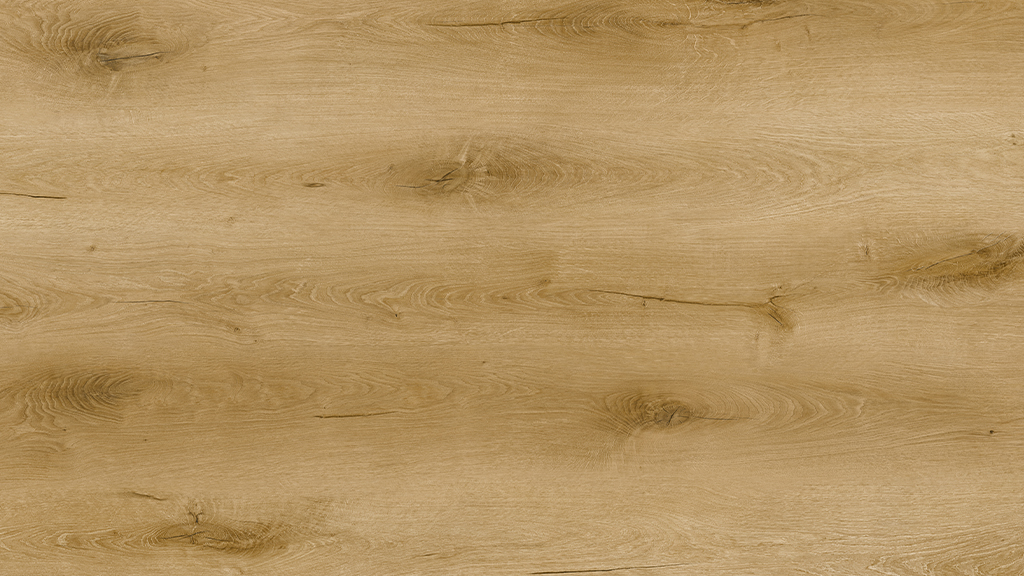
Grout is the maintenance you sign up for
A tiled floor is only as clean as its grout lines. Grout is porous, it darkens in traffic lanes, it stains near cookers, and eventually it wants raking out and renewing. SPC has no grout: the planks close tight on a Unilin click joint and the surface wipes as one continuous plane. If you have ever scrubbed grout on your knees with a toothbrush, you already understand why so many kitchen renovations now go rigid-core instead of ceramic.
Installing over existing tile
Here is a scenario that comes up constantly: a sound but dated tiled floor, and no appetite for the noise, dust and skip-loads of breaking it out. SPC floats straight over well-bonded, level tile once any hollow or cracked pieces are dealt with and wide grout joints are skimmed flat. The build-up is slim enough that doors usually still clear. Tile over tile, by contrast, raises the floor noticeably and doubles the eventual removal job. For occupied homes, laying SPC over the old tile is often the fastest, cleanest renovation route there is.
Dropped pans, dropped tiles
Ceramic is hard, and hard is brittle. Drop a cast-iron pan and the tile can chip or crack, and matching a discontinued tile years later is a lottery. SPC's rigid core with a resilient wear layer absorbs the same impact with, at worst, a mark in the coating. Heavy point loads from fridges and furniture are handled by the stone-polymer core. Neither floor is indestructible, but they fail differently: tile fails suddenly and visibly, SPC wears gradually and predictably, which is an easier risk to live with.
Sound and echo in hard-floored rooms
Tile is acoustically the harshest common floor: footsteps clack, and open-plan tiled spaces echo. SPC with an attached IXPE layer, like MILAT's with sound absorption up to 21 dB, is quieter underfoot and kinder to the room below. In apartments where the building rules set impact-noise limits, that attached pad can be the difference between a floor that passes and one that needs a separate acoustic layer priced in.
Where tile still argues its case
Honesty helps a comparison. Inside a walk-in shower, on a wet-room floor laid to falls, or around a pool, tile with a tanked substrate remains the standard answer, and SPC belongs outside that splash zone rather than in it. Exterior thresholds and sun-baked conservatory floors with extreme surface temperatures also favour ceramic. Everywhere else in a home, the argument tilts the other way: kitchens, bathrooms outside the shower enclosure, hallways, utility rooms and open living space get tile-grade water protection from SPC with warmth, quiet and a faster installation. Use each material where it is strongest and the house ends up better than a one-material answer could make it.
Talk to MILAT Floor
Samples, specifications, OEM & private label, wholesale or export — our team is ready.