
Bamboo appeals to buyers who want a natural, renewable floor with real character. SPC offers a manufactured wood look with waterproofing bamboo can't match. The choice usually comes down to how much you value a genuine natural material versus worry-free performance in kitchens, baths, and busy rooms.
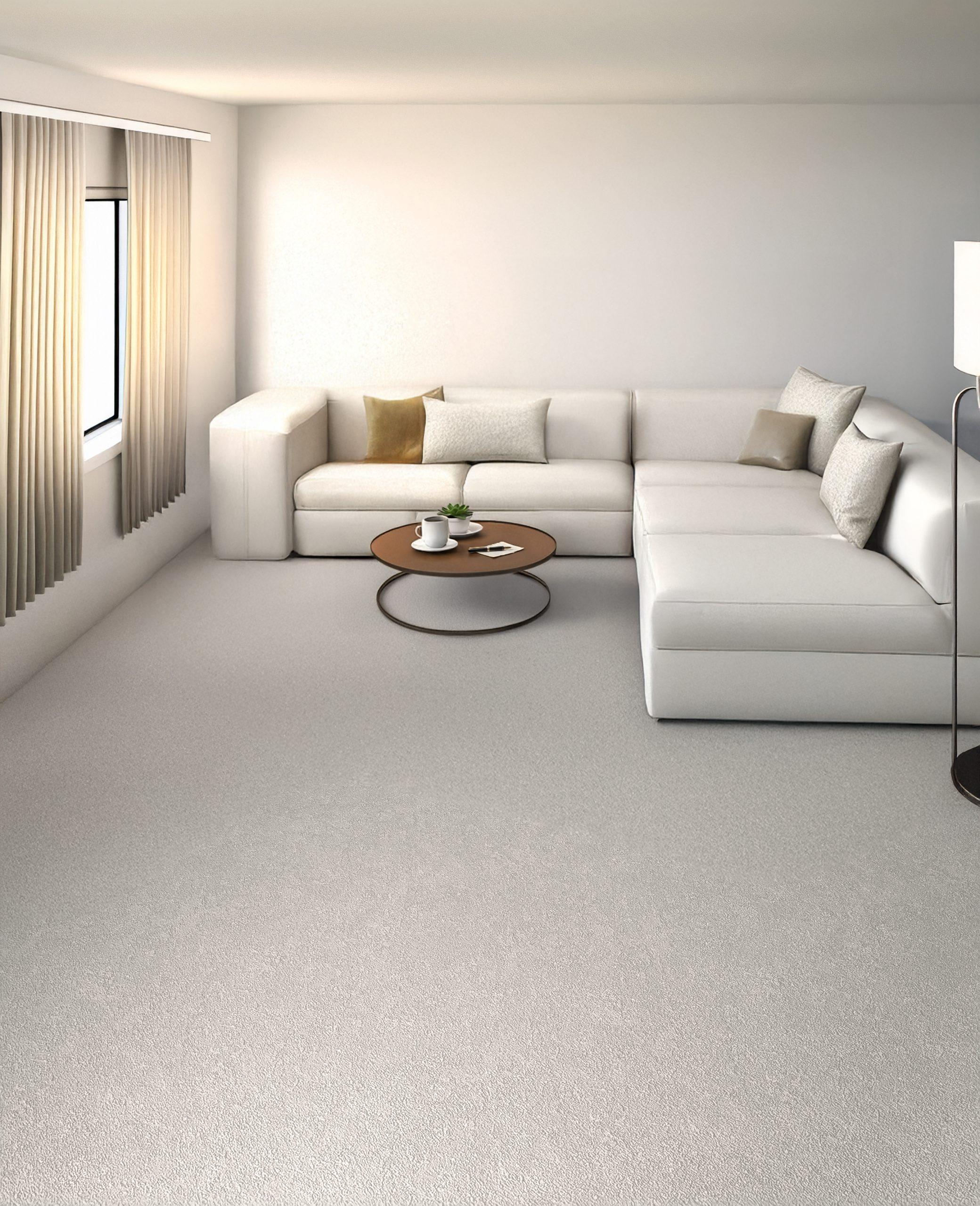
Natural material vs engineered core
Bamboo is a fast-growing grass, sliced or shredded and pressed into planks — solid, engineered, or strand-woven. Because it's an organic material, it responds to its environment: it can expand, contract, and cup with changes in humidity. SPC is a manufactured plank with a waterproof stone-polymer core and a printed wood-look surface. One is the real thing with real quirks; the other mimics the look while sidestepping moisture problems.
Water and humidity
This is bamboo's soft spot. Even sealed, bamboo can swell, gap, or warp in humid rooms or after standing spills, so most makers advise against it in bathrooms and below-grade basements. SPC is waterproof through the core, so kitchens, laundries, and bathrooms are fair game. In a climate that swings between wet and dry seasons, that difference is hard to ignore.
Hardness, scratches, and dents
Strand-woven bamboo is genuinely hard — often harder than oak — and shrugs off dents well. Its downside is surface scratching: the natural finish can scuff and show wear, and refinishing options are more limited than solid hardwood's. SPC resists scratches through its wear layer and UV coating and won't dent thanks to the mineral core, though a deep gouge exposes the printed layer rather than more wood beneath.
- Strand-woven bamboo is very hard and dent-resistant
- Bamboo's finish can scratch and is harder to refinish than hardwood
- SPC's wear layer resists scuffs; damage exposes the print layer, not solid material
- Neither is truly scratch-proof under pets and grit
Look, feel, and sustainability
Bamboo gives you authentic grain, subtle color variation, and the warmth of a natural product — plus a renewable-resource story, since bamboo regrows fast. SPC counters with EIR (embossed in register) texture that aligns the surface emboss to the printed grain for a convincingly real look, and with board-to-board consistency. If a genuine natural floor is the point, bamboo wins on authenticity; if realism plus resilience is the goal, modern SPC is closer than most people expect.
| SPC | Bamboo | |
|---|---|---|
| Material | Engineered vinyl, stone core | Natural grass |
| Waterproof | Yes | No |
| Humidity sensitivity | Low | High |
| Hardness | High, dent-resistant | High (strand-woven) |
| Scratch resistance | Wear layer + UV coat | Finish can scuff |
| Refinishable | No | Sometimes, limited |
| Best rooms | Anywhere, incl. wet areas | Dry living areas |
Which floor fits your home?
Choose bamboo if a natural, renewable material with real grain is non-negotiable and you'll keep it in dry, climate-stable rooms. Choose SPC for whole-home coverage, wet rooms, and homes with kids, pets, or seasonal humidity swings. Both give you a wood-inspired look — they just make different promises about what happens when life gets messy.
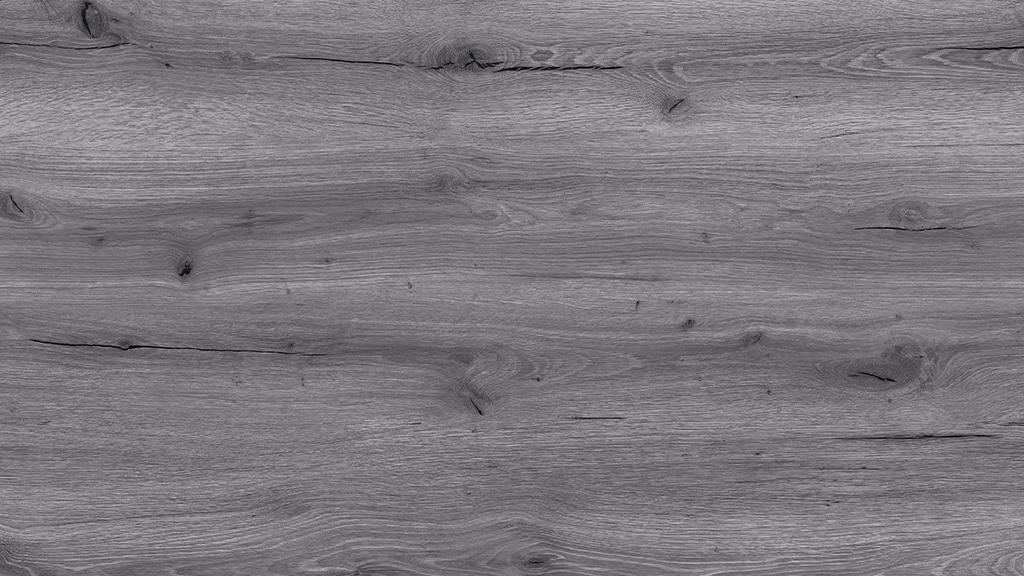
Installation is a different job entirely
Most bamboo flooring is nailed or glued down like hardwood, which means a wood-ready subfloor, adhesives or a nail gun, and usually a professional crew. SPC floats on a licensed Unilin click system: no glue, no fasteners, and it goes over existing tile or concrete with minimal preparation. For a renovation where the family stays in the house, that difference decides the project. An SPC room can be cleared in the morning and furnished again by evening, while a glued bamboo floor needs curing time before it takes traffic.
Acclimatisation and seasonal movement
Bamboo is a grass, but it behaves like wood: it must sit in the room for days before installation and it will expand and contract with every humid summer and dry heating season. Wide seasonal swings can open gaps or cup boards. SPC needs only a brief temperature settle after delivery and holds its dimensions through the year, which is why it suits homes with intermittent heating, coastal humidity or big day-night temperature ranges. If your climate has real seasons and your heating is not constant, this single difference outweighs most others.
Living with each floor: pets, kids and daily reality
A household with a dog, a toddler and a water bowl is a controlled durability experiment. Bamboo takes claw scratches into its finish and dents from dropped toys; each mark is real damage to a natural surface. SPC carries a urethane wear layer with 2X UV coating over a printed decor, so most daily contact polishes off rather than digs in, and the EIR texture visually swallows the fine scuffs that do occur. Neither floor forgives dragged furniture without felt pads, but the day-to-day scoreboard tilts clearly toward the engineered surface.
Underfloor heating and modern builds
New apartments increasingly come with water-based underfloor heating, and this is where the two materials diverge sharply. Bamboo can work over gentle systems but demands tight humidity control and conservative surface temperatures, and many suppliers hedge their guidance. SPC's mineral core conducts heat well, tolerates the temperature cycling, and its dimensional stability means the click joints stay closed as the slab warms and cools. If underfloor heating is in the plan, SPC is the lower-risk choice by a wide margin.
Where each one earns its place
There are still rooms where bamboo is the right call: a formal living room or study in a stable climate, owned by someone who values a genuinely natural surface and accepts the care it asks for. SPC earns the rest of the house, and especially any room where water, traffic or temperature swings show up. Many of our project customers land on exactly that split, or simply run SPC throughout for one consistent level and one maintenance routine.
Talk to MILAT Floor
Samples, specifications, OEM & private label, wholesale or export — our team is ready.