
Solid hardwood is a beautiful, traditional floor with real character and longevity. SPC is a rigid, waterproof vinyl that reproduces the wood look without its vulnerabilities. Neither is simply better — it depends on the room and the priorities. Here is how they compare.
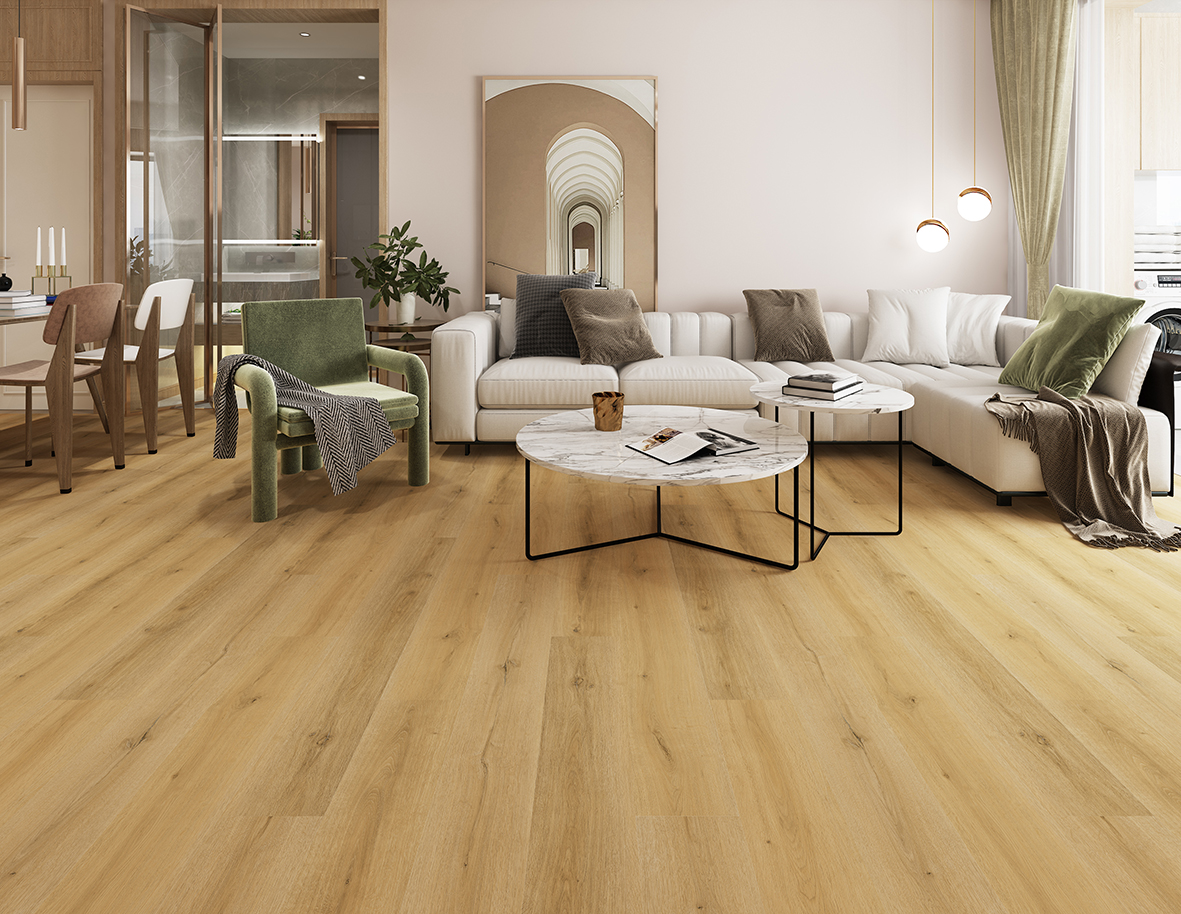
The core difference
Solid hardwood is a single piece of natural timber, so it is warm, authentic and can be sanded and refinished for decades — but it swells with water and moves with humidity. SPC is a rigid stone-polymer core with a printed wood-look surface: 100% waterproof and dimensionally stable, but not real wood and not refinishable.
Side by side
| Factor | SPC | Solid hardwood |
|---|---|---|
| Waterproof | 100% waterproof core | Not waterproof; swells if wet |
| Wet areas | Kitchens, bathrooms, basements | Not recommended |
| Durability | AC5 wear layer, dent-resistant | Scratches; dents with impact |
| Maintenance | Sweep and damp-mop | Periodic sanding and refinishing |
| Refinishing | Not refinishable; replace planks | Sand and refinish many times |
| Installation | Click, floats, tool-free | Nailed or glued by a pro |
| Feel | Warm with acoustic layer | Authentic natural timber |
Where hardwood still wins
If you want genuine timber, the deep authenticity of natural grain, and a floor you can refinish for generations in a dry living area, solid hardwood remains hard to beat. It also carries a traditional appeal that some buyers value above all.
Where SPC wins
For wet rooms, basements, busy family homes, rentals and commercial spaces, SPC's waterproofing, dent resistance and low maintenance make it the more practical choice, at a lower total cost of ownership. Its Embossed In Register surface makes the wood look convincing.
Climate and seasons: the quiet decider
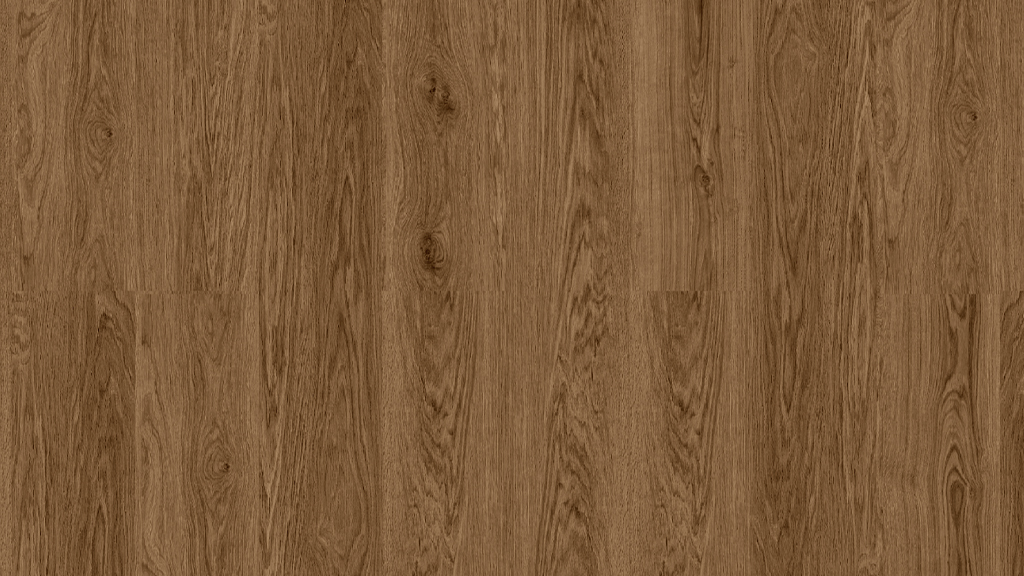
Solid wood never stops being wood. It takes on moisture in humid summers and releases it in heated winters, so boards swell, shrink and open seasonal gaps; in humid coastal climates or rooms with big temperature swings, that movement demands acclimatisation, careful installation and tolerance from the owner. SPC's stone-polymer core barely notices the same swings. If you live somewhere with steady indoor conditions year round, hardwood's movement is manageable; if your climate or your heating habits are volatile, the calm material spares you an annual cycle of gaps and creaks.
The pets, kids and real-life audit
Run your actual household through the decision. Dog claws scratch hardwood's finish and dent softer species; on SPC the wear layer takes the traffic and EIR texture hides fine scratches. A water bowl that seeps, a puppy accident overnight, a fish tank mishap: hardwood stains and cups, SPC gets wiped. Toy impacts dent wood, which some owners call character and others call damage. Hardwood answers back with something SPC cannot: dents and scratches in solid wood can be sanded away in a refinish, while SPC's defence is prevention plus swapping a plank. Busy young households usually conclude the fight is not worth having; calmer homes may cherish the patina.
One home, two floors: mixing them well
The choice is not always whole-house. A common and sensible pattern puts hardwood in the formal living zones where its depth is appreciated, and SPC in kitchens, bathrooms, laundries, basements and entrances where water and grit rule. The craft is in the joints: pick an SPC decor that harmonises with the wood's tone rather than imitating it exactly, since a near-miss match reads worse than a deliberate contrast, and plan transitions at natural thresholds. Height difference matters too; SPC's lower build-up often meets tile flush while hardwood needs ramps, which is worth thinking about before doors are hung.
The maintenance timeline over decades
Compare the calendars, not just the materials. Hardwood asks for finish care through its life and periodic sanding and refinishing, each cycle emptying the room and re-coating the surface, in exchange for a floor that can outlive its owner. SPC asks for sweeping, damp mopping and felt pads, with no refinishing possible or needed, in exchange for a defined service life that ends in replacement rather than renewal. Neither calendar is wrong. Owners who love tending wood get decades of renewable beauty; owners who want the floor to disappear from their to-do list get exactly that with SPC.
Sound, warmth and how each floor feels to live on
Underfoot character is where the two diverge in daily life. Solid wood has a warm, slightly resonant feel and a knock that announces itself, which downstairs neighbours notice in apartments. SPC walks quieter, especially with an attached IXPE acoustic layer absorbing impact sound up to 21 dB, and it takes room temperature without wood's draughty-season chill or its sensitivity over underfloor heating. Hardwood over heating is possible but demands tight humidity control; SPC treats a heated screed as routine. For upper-floor apartments and heated homes, the practical comfort argument tilts toward SPC even before water enters the conversation.
Talk to MILAT Floor
Samples, specifications, OEM & private label, wholesale or export — our team is ready.