
Worth it is a personal calculation, not a spec. SPC sits above bargain vinyl and often near or below engineered wood on price, so the fair question is what that money buys and where it falls short. Here is a grounded way to weigh it for your own rooms.
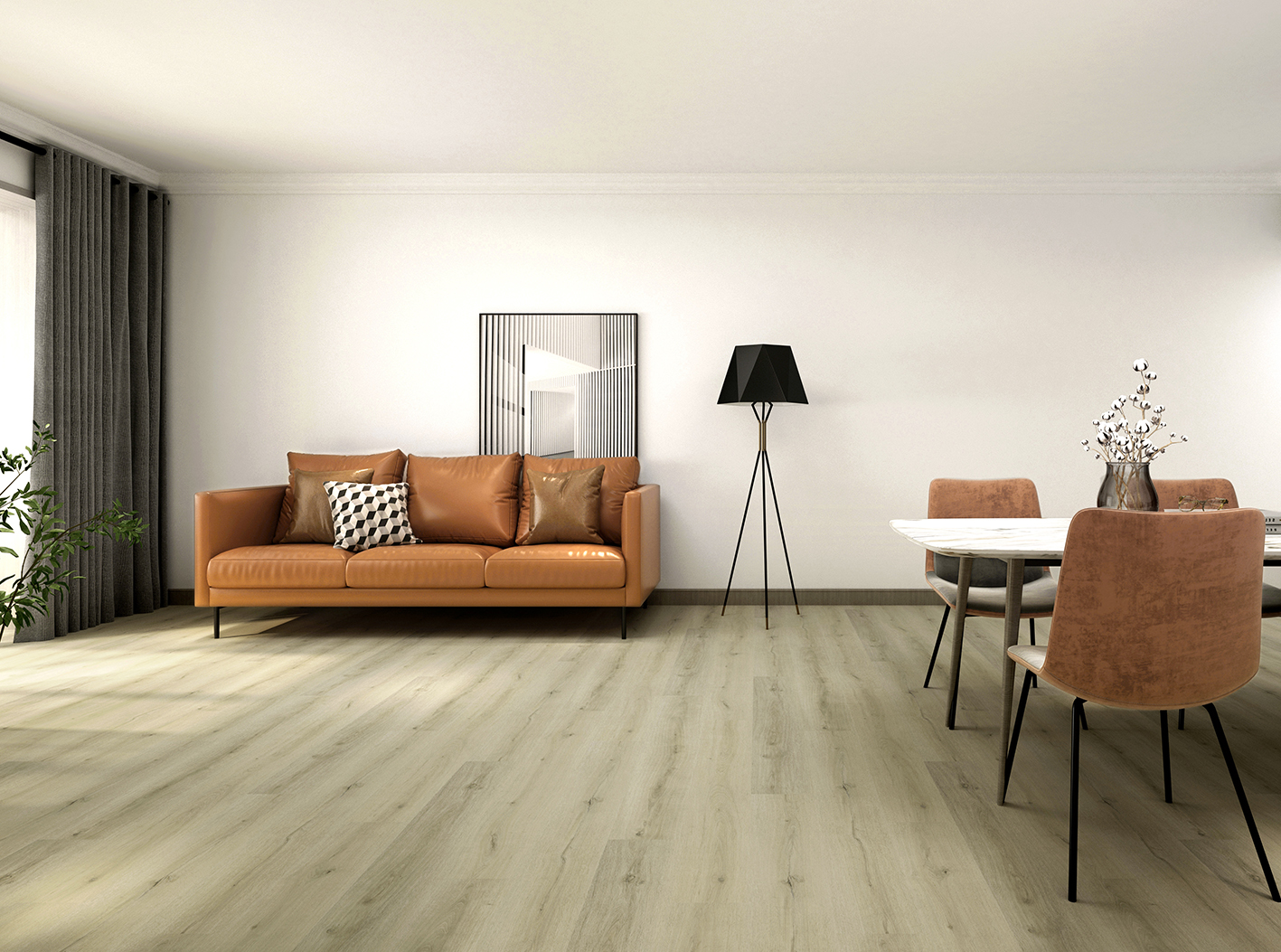
What you are paying for
SPC's price reflects a stack of real features: a waterproof stone-composite core, a printed and embossed wear surface, a licensed click system, and often an attached acoustic layer. Add certifications and UV coatings and the cost rises for reasons you can point to. The value case rests on getting a floor that survives moisture, installs fast, and needs little upkeep, without the price of solid timber.
The value math most people skip
Sticker price is only part of the story. A floor that installs quickly, needs no finishing, and rarely gets replaced can cost less over ten years than a cheaper floor that fails in a wet room. Weigh these together:
- Install cost: floating, tool-free planks go down faster than glue-down or nail-down, which trims labour.
- Maintenance: no sanding, sealing, or waxing over the floor's life.
- Repairs: single damaged planks lift out and swap in, rather than patch-and-blend.
- Replacement odds: waterproofing removes the most common early-failure cause in kitchens, baths, and basements.
Where SPC is clearly worth it
Some situations tilt the answer strongly toward yes:
- Moisture-prone rooms where wood or laminate would be a gamble.
- Busy households with kids, pets, and rolling chairs.
- Rental units and flips, where fast install and easy repair pay off.
- Rooms over underfloor heating that need a stable, low-movement floor.
- Commercial spaces that need a high wear rating without a stone-tile budget.
Where another floor may beat it
Being honest keeps expectations realistic. SPC is a weaker value pick when:
- You specifically want genuine solid or engineered wood underfoot and will pay for it.
- The room is barely used and a cheaper resilient floor would serve just as well.
- End-of-life recyclability is a hard requirement, since SPC is PVC-based.
- You are unwilling to prep an uneven subfloor, which the floor needs to perform and last.
A simple way to decide
Score your project on three axes: moisture exposure, traffic, and how long you plan to keep the floor. High moisture, high traffic, and a long horizon push SPC firmly into worth-it territory, because that is exactly where its waterproofing and wear resistance pay back. Low on all three, and a budget vinyl or even carpet might give you the same satisfaction for less. Match the floor to the room, and the value question mostly answers itself.
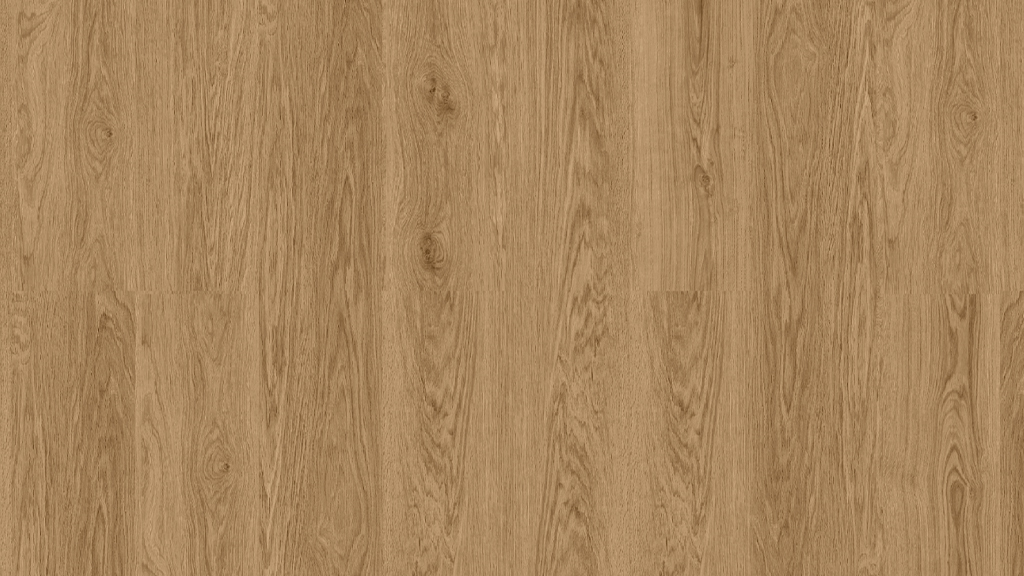
The hidden costs that change the calculation
The plank price is only the headline. What actually lands on your invoice includes subfloor preparation, underlay if the plank has none attached, trims and thresholds, delivery, and installation labour. Here SPC quietly claws back ground: a floating click floor installs faster than glue-down formats, needs no adhesive or curing time, and a plank with an attached acoustic backing removes the separate underlay line entirely. When you compare floors, compare the finished-room cost, not the per-box cost. Two products with identical plank prices can arrive at noticeably different totals once the room is done.
Where to spend more within SPC, and where not to
Not every upgrade on an SPC spec sheet earns its money in every room. Some genuinely change how long the floor performs; others are comfort or aesthetics you may or may not value.
- Wear layer: the single most worthwhile upgrade for busy homes and any commercial use; it is what stands between traffic and the design
- Attached IXPE underlay: worth it in bedrooms, upstairs rooms and apartments where sound matters
- EIR texture: worth it if realism matters to you; the grain aligns with the printed design
- Extra core thickness: helps rigidity and feel, but a thick plank with a thin wear layer is the wrong trade
What usually ends an SPC floor's life
Here is an honest manufacturer's observation: well-made SPC in a normal home rarely dies of wear. It gets replaced because tastes change, a room is remodelled, or the owner moves and the next one wants something else. That reframes the worth-it question. If fashion, not failure, is the likely end of the floor, then buying a sensible mid-to-upper spec in a design you will still like in a decade is smarter than paying for extreme durability you will never use, and far smarter than buying the cheapest plank whose joints and wear layer will force the decision on you early.
Maintenance costs over the years, compared
Lifetime cost includes what a floor demands of you after installation. Hardwood wants periodic refinishing and humidity discipline. Carpet wants deep cleaning and eventually surrender. Tile itself is easy but its grout is a standing appointment. SPC's routine is a vacuum and a damp mop with a neutral cleaner: no refinishing, no waxing, no grout, no special products. Over the years that gap is real money and real weekends. It will not show up in any showroom comparison, but it is one of the strongest quiet arguments in SPC's favour for busy households.
Where the money in a plank actually goes
From inside a factory, a plank's cost is a stack of decisions: the wear layer's thickness and quality, the licensed click system, the UV coating, the decor film, the acoustic backing, and the consistency of the core recipe. A suspiciously cheap plank has had one or more of those quietly thinned. That is why two floors that photograph identically can age completely differently. When MILAT builds a plank, the licensed Unilin click, 2X UV coating and attached IXPE layer are precisely the components a corner-cutting producer would trim first, because they are invisible on day one and decisive by year five.
Talk to MILAT Floor
Samples, specifications, OEM & private label, wholesale or export — our team is ready.