
Rigid-core SPC has grabbed a large slice of the resilient flooring market, and the marketing around it runs hot. The honest version is more useful. It solves real problems, and it carries real trade-offs. Here is where it earns its reputation and where it does not.

What SPC actually is
SPC stands for stone plastic composite. The core is limestone powder blended with PVC and stabilisers, then pressed into a dense, rigid board. Above the core sit a printed design film, a clear wear layer, and a UV-cured finish, and most planks add an attached acoustic backing. That stone-dense core is the source of most of SPC's strengths, and a couple of its weaknesses.
The case for SPC
Start with the reasons people keep choosing it.
- Waterproof core: a genuine SPC core does not swell or delaminate when it gets wet, so it holds up in kitchens, bathrooms, and basements where wood and laminate struggle.
- Dimensional stability: the rigid board barely moves with temperature swings, which keeps seams tight in sunrooms and over underfloor heating.
- Fast, tool-free install: a licensed click system lets planks lock together as a floating floor, often well faster than glue-down, and it lifts back up if you need to move.
- Realistic looks: embossed-in-register (EIR) texture lines up the surface grain with the printed grain, so the plank reads like wood rather than a photo of it.
- Everyday toughness: a high AC-rated wear layer shrugs off pet claws, dropped toys, and rolling chairs better than most laminate.
- Low upkeep: sweep and damp mop; no sanding, sealing, or waxing.
The honest drawbacks
No floor is all upside. These are the trade-offs worth knowing before you order.
- It is not real wood: SPC imitates timber well, but it will not develop a patina, and some buyers simply prefer the feel and resale story of the real thing.
- Point loads can dent it: very heavy, narrow feet, think piano casters or a loaded appliance, can leave an impression. Felt pads and load-spreading cups solve most of this.
- It needs a flat subfloor: SPC is rigid, not magic. Bumps and dips beyond roughly 3 mm across a couple of metres can telegraph through and stress the joints, so prep matters.
- It can feel hard and cool: without an acoustic backing or underlay, a floating SPC floor is firmer and cooler underfoot than carpet.
- It is PVC-based: SPC is a plastic composite, not a biodegradable material, and take-back recycling for used planks is still limited in most regions.
- Quality varies wildly: thin, cheap boards can sound hollow, show every subfloor flaw, and fade in strong sun if the UV coating is weak.
Quick read: strengths versus limits
| Where SPC wins | Where SPC struggles |
|---|---|
| Wet rooms and spills | Very heavy point loads |
| Fast floating install | Uneven or damp subfloors |
| Scratch and stain resistance | Matching the feel of solid wood |
| Stability over heating | End-of-life disposal and recycling |
So is it a fit for you?
SPC rewards people who want a waterproof, low-drama floor that looks like wood and installs quickly, especially in moisture-prone rooms or busy households. It is a weaker match if you want genuine timber underfoot, you have a subfloor you are not willing to level, or end-of-life recyclability is a deciding factor. Knowing both sides up front is what keeps the floor from disappointing you later.
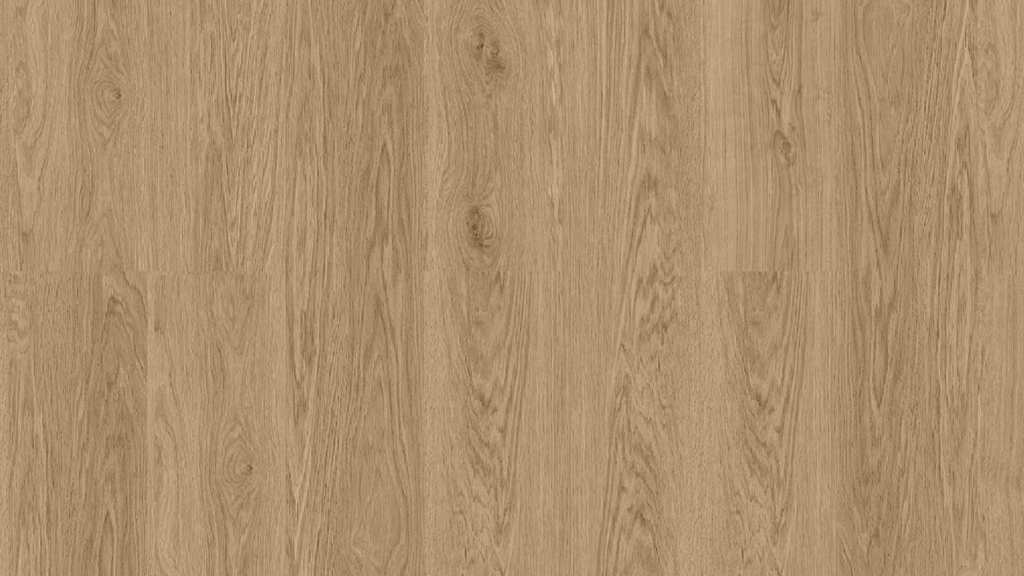
Most of the cons are spec problems, not material problems
When someone tells you their SPC floor disappointed them, ask what they bought. Nine times out of ten the complaint traces to a thin wear layer in a busy room, a bargain click profile that never locked tight, or a decor printed with so few pattern variants that the repeat jumps out at you. The material class gets blamed for a purchasing decision. The honest framing: SPC's weaknesses shrink dramatically as spec rises. An AC5-rated wear layer, a licensed Unilin click and EIR texturing address the durability, stability and realism complaints respectively. The cons that remain, hardness underfoot and the need for a flat subfloor, are inherent and worth planning around rather than wishing away.
When we would tell you not to buy SPC
A manufacturer that claims its product suits everyone is selling, not advising. Skip SPC if you want a floor that can be sanded and refinished across generations; that is solid wood's territory and nothing printed will match it. Skip it outdoors or in unheated structures where temperatures swing beyond what any resilient floor tolerates. If your priority is a soft, warm surface for a nursery where children play on the floor for hours, carpet or cork will feel kinder. And in industrial spaces with pallet trucks and point loads, ceramic or resin floors are built for punishment that no click floor should be asked to take.
Living with SPC over the years
Day one impressions matter less than year seven. What owners report over time is that the maintenance routine never escalates: no refinishing cycles, no resealing, no grout to whiten. The 2X UV coating on MILAT boards resists the slow dulling that cheap vinyl shows in sunny rooms, though we still suggest closing curtains in rooms that bake, since intense direct sun ages every floor covering. Joints are the long-term tell of quality; a properly locked, licensed click profile stays tight while unlicensed copies work open at the seams. Keep a spare box from your batch and even a deep gouge years later becomes an afternoon repair.
Renters, landlords and resale
SPC has quietly become a landlord's default, and the logic applies to homeowners thinking about resale too. Tenants change, accidents happen, and a floor that treats a washing machine leak as a mop-up rather than an insurance claim changes the economics of a rental. Single damaged planks can be swapped between tenancies without replacing the room. For sellers, a waterproof hard floor in kitchens, bathrooms and basements reads as low-risk to buyers and survives the moving-day trolley traffic that scuffs softer floors just when the house needs to look its best.
Questions that separate good SPC from cheap SPC
- What is the wear layer thickness, and what AC rating does the board carry?
- Is the click system a licensed profile such as Unilin, or an unnamed copy?
- Is there an attached acoustic layer, and what sound reduction does it deliver?
- Is the product FloorScore certified for indoor air emissions?
- Is the texture embossed in register with the printed grain, or a generic tick-roll finish?
- Can the seller show a CE Declaration of Performance for this exact product?
Talk to MILAT Floor
Samples, specifications, OEM & private label, wholesale or export — our team is ready.