
SPC flooring is a big, one-time purchase, and the products can look identical while performing very differently. This guide walks through every decision — what to check on the spec, how to judge quality, how to choose a look, how much to order and where to buy — so you get it right the first time.

1. Check the core and wear layer
Confirm the floor has a genuine rigid SPC core that is 100% waterproof, and check the wear layer, which protects the surface. A thicker wear layer lasts longer; look for a rating up to AC5 for heavy use. Exact thickness and wear-layer options are on the spec sheet.
2. Look for real certification
Independent certification separates a serious floor from an unknown one. Look for FloorScore for indoor air quality, CE Declarations of Performance for the European market, and ISO management systems behind the manufacturer.
3. Confirm the click system
The locking system determines how well joints hold. A licensed Unilin click is a genuine licence, not an unlicensed copy, and gives a tight, reliable, reusable joint. Ask the supplier which system the floor uses.
4. Choose the look
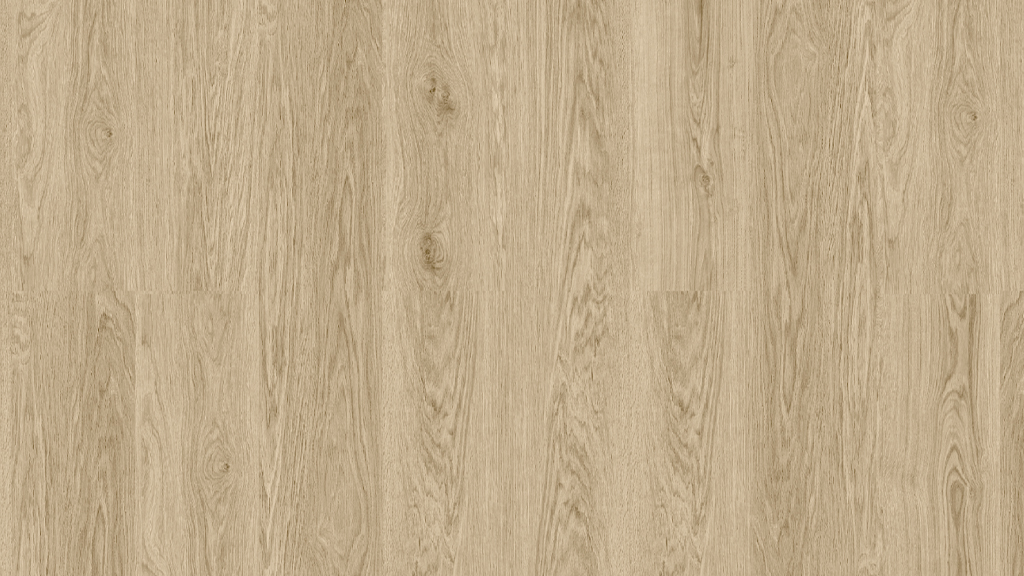
Read the room's light and size, match undertones to your walls and furniture, and favour natural mid-tones and matte, textured surfaces that will not date. Always confirm a colour with a physical sample in your own light before ordering.
5. Work out the quantity
Measure the area, add a waste allowance of 5 to 10% for a straight lay or 10 to 15% for patterns, then convert to boxes and round up. Order everything, including a spare box, from the same batch so the colour matches.
6. Decide where to buy
For a single room, a local retailer is simplest. For volume, projects or a brand of your own, buying direct from a manufacturer removes the reseller margin and puts quality, certification and lead time in one accountable place.
Sources & references
7. Understand what actually drives the price
Two SPC planks can look identical in a showroom and sit far apart on price, and the difference is nearly always in the parts you cannot see. The wear layer thickness and its coating quality are the biggest single driver. A licensed click system costs the factory real royalties and engineering; an anonymous copy does not. An attached acoustic layer, EIR texturing pressed in register with the print, a larger library of unique plank faces, third-party certification, and disciplined batch control all add cost at the factory and value on your floor. When a quote seems too good, ask which of these was left out, because one of them always was. Paying for the invisible parts is how you avoid buying the floor twice.
8. Time the purchase inside your renovation
Flooring goes in late but should be ordered early. The sequence that works: choose and order the floor once room dimensions are final, let it arrive and acclimatise while the messy trades finish, and lay it after painting and plastering but before skirting, doors are hung, and furniture returns. Buying the floor last, under time pressure, is how people end up settling for what is in stock rather than what they chose. It also helps to hold delivery until the building is dry; laying a floating floor into a building where screed or plaster is still releasing moisture invites problems no product can prevent.
9. Sort the accessories with the same care as the planks
A floor is finished by its edges. Decide before ordering how the perimeter will be trimmed, matching skirting, quadrant beading against existing skirting, or a shadow gap, and which transition profiles will meet the tile, carpet and doorways it borders. Stairs need dedicated nosings, not improvised offcuts. Check whether your chosen product needs a separate underlay at all; MILAT SPC carries an attached IXPE acoustic layer, which removes that line from the list and one trade from the schedule. Ordering trims in the same decor family at the same time avoids the mismatched-brown problem that quietly spoils otherwise good installations.
10. Decide honestly between DIY and a professional
Click SPC is genuinely DIY-friendly: score-and-snap cutting, no glue, and a Unilin joint that seats by angling rather than force. A patient amateur can floor a regular bedroom in a weekend. Where honesty is due is the subfloor: levelling a bumpy screed is the actual skilled work, and it decides the result more than the laying does. Choose a professional when the subfloor needs correction, when the layout involves stairs, herringbone or many doorways, or when a warranty conversation would go better with an invoice from a fitter attached. Do it yourself when the slab is flat, the room is simple, and you can follow the expansion-gap rules without improvising.
11. After the purchase: set the floor up to last
The buying guide should not end at the checkout. Keep the batch number and one spare box stored flat and dry; that is your invisible repair stock for years. Fit felt pads on furniture the day it returns to the room, and put a decent mat at external doors, since grit is the main thing that ages a wear layer. Establish the cleaning routine early: vacuum or dust mop, damp mop with neutral cleaner, and none of the wax, abrasive or steam products that shorten a floor's good years. A floor bought well and treated this way is the cheapest kind there is, measured over the time you actually live on it.
Talk to MILAT Floor
Samples, specifications, OEM & private label, wholesale or export — our team is ready.