
Flooring sold into African markets has to survive two things at once: heat and moisture on the coast, and hard use in high-traffic commercial and residential projects. MILAT Floor manufactures SPC and LVT in Gaziantep, Türkiye, with a waterproof core and commercial-grade wear ratings built for exactly those conditions. Here is why distributors from Casablanca to Nairobi work with a Turkish manufacturer.
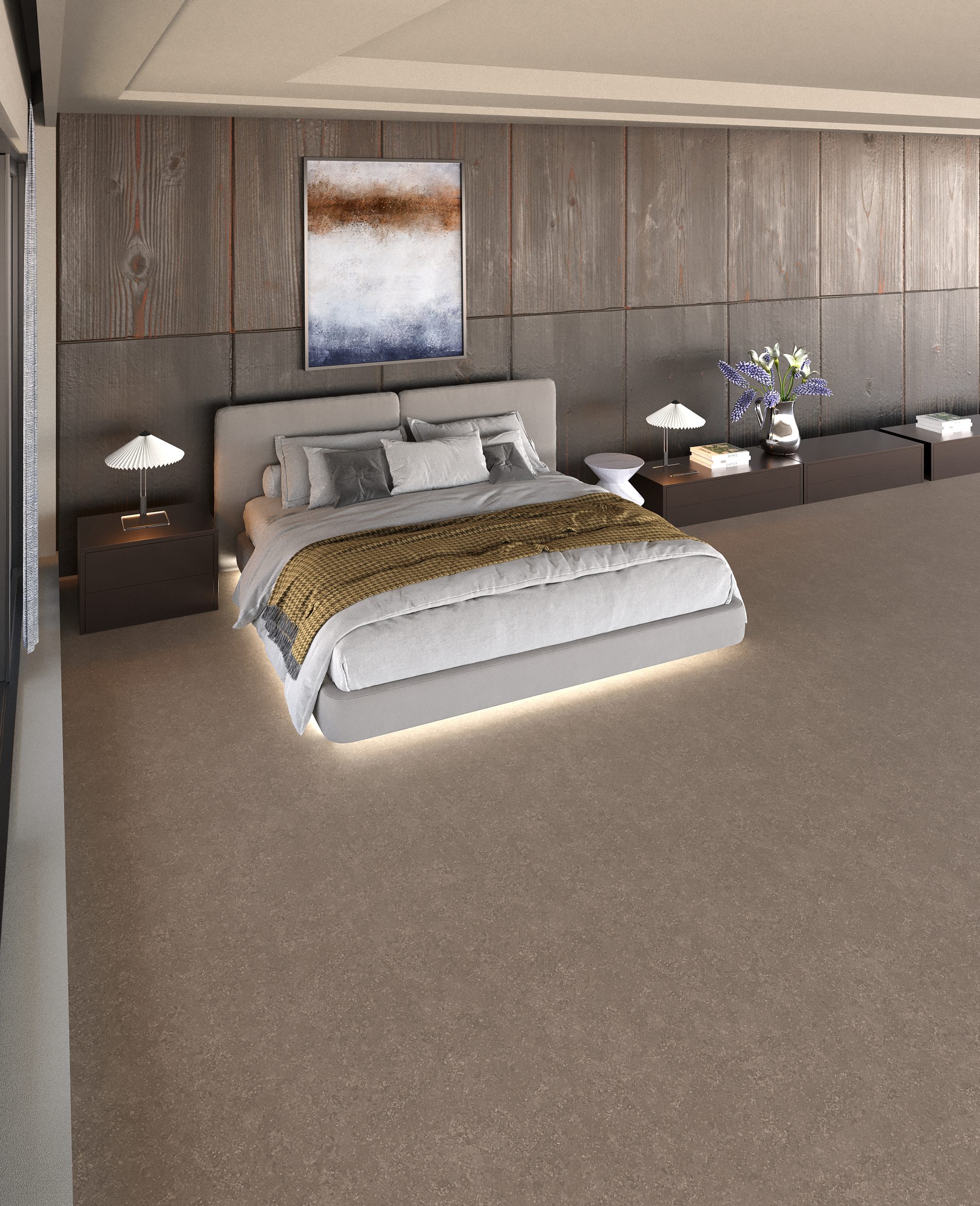
Proximity to the Mediterranean coast
For North African buyers, geography is a real advantage. Türkiye sits on the Mediterranean, so the sea route to ports like Casablanca, Algiers, Tunis and Alexandria is generally shorter than shipping the same goods from East Asia. Shorter routes tend to mean tighter timelines and fewer variables between order and delivery. We will confirm a transit estimate for your specific port rather than print a figure here.
Built for humid and coastal climates
The stone-plastic composite core is 100% waterproof. It does not absorb water, swell or delaminate the way laminate does, which matters in humid coastal air, seasonal flooding and rooms that get wet-mopped daily. That makes it a dependable choice for apartments, hotels, clinics and retail in climates where wood-based floors struggle.
- 100% waterproof SPC core, unaffected by humidity
- EIR surface for a realistic wood look and grip
- 2X UV coating to protect the print in bright interiors
- Licensed Unilin click for a tight, lasting joint
Traffic ratings for projects
A lot of African demand is project-driven: hotels, offices, schools and mixed-use developments. Our Triollo EIR range reaches AC5, the top wear class, rated for heavy commercial traffic. For residential and light-commercial work we specify appropriate ranges from three collections and 54 designs, so a distributor can cover several project types from one supplier.
Custom and OEM for local brands
Distributors building their own presence often want their name on the product. As a manufacturer, MILAT produces OEM and private-label flooring, and develops custom colours and sizes to match local taste, whether that is warmer wood tones for interiors or lighter decors for bright rooms. We handle wholesale and distribution volumes and export worldwide.
Documentation that clears customs cleanly
MILAT carries CE marking, FloorScore and a full ISO system, plus an SHI Product Passport for traceability. Clear, consistent paperwork speeds up port clearance and reassures your own project clients about material quality.
To price a container to your port or request the catalogue, email sales@milatfloor.com or call +90 535 960 79 46.
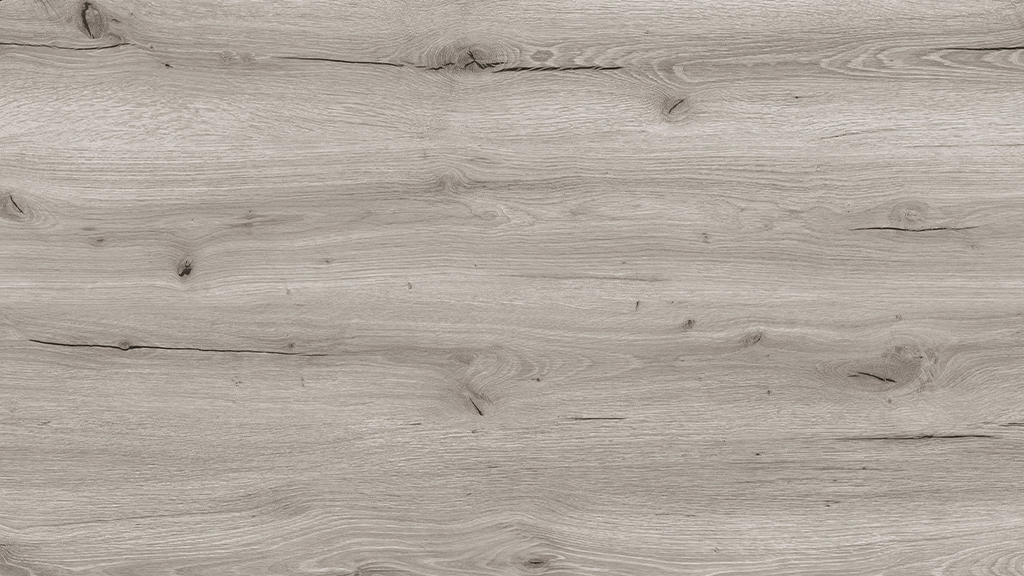
Termites cannot eat a stone-polymer core
Across much of Africa, termites are a structural fact of life, and every wood or wood-based floor is on the menu: parquet, laminate cores, bamboo, engineered boards. SPC removes the meal entirely. The core is stone powder bound in polymer with no cellulose in it, so there is nothing for insects to digest and no reason for them to tunnel through it. For ground-floor slabs in termite regions, that changes flooring from a monitored risk into a closed question, which is why specifiers who have replaced one eaten parquet floor rarely specify wood again.
Buildings without constant air conditioning
Plenty of African housing and commercial space runs air conditioning only part of the day, or not at all, so interiors swing wide between afternoon heat and cool nights. Floors that rely on a stable indoor climate suffer: laminate swells in humid heat, wood gaps in dry seasons, flexible vinyl can soften and creep. SPC's rigid mineral core was built for exactly this indifference; it takes on almost no moisture and moves very little across temperature swings. Follow the normal expansion-gap rules at installation and the floor manages the climate on its own.
Sun, dust and the maintenance reality
Strong sun and wind-blown dust are the two quiet enemies of floors in much of the continent. On sunlight, MILAT's 2X UV coating resists the fading that kills printed floors in bright rooms; deep shading of west-facing glass still helps any floor. On dust, the abrasive load walked in from outside is the real wear mechanism, and the answer is procedural: walk-off mats at entrances and regular dry sweeping, so grit never gets ground into the wear layer. With those two habits, the maintenance regime is nothing more than routine cleaning.
From port to project: planning the inland leg
Getting a container to Mombasa, Lagos, Durban or Casablanca is the easy half; many projects sit far inland. SPC's weight means road planning matters: confirm axle-load rules on your route, whether the site can receive a full container or needs the cargo cross-docked onto smaller trucks, and how planks will be stored on site. Store boxes flat, off the ground, under cover and out of direct sun until installation. Distributors who master this inland leg turn it into their moat, because it is the part importers find hardest to copy.
Serving both the project market and the retail shelf
African flooring demand runs on two tracks: large projects such as hotels, offices, clinics and housing schemes, and a fast-growing retail renovation market in the cities. They want different things from a supplier. Projects need documented specifications, wear ratings up to AC5, acoustic data and delivery schedules that match construction phases. Retail needs a curated design range, display boards and boxes sized for car boots. MILAT supplies both from the same Gaziantep production, with OEM and custom options letting distributors brand the retail track as their own.
Talk to MILAT Floor
Samples, specifications, OEM & private label, wholesale or export — our team is ready.