
For distributors and project buyers across the Gulf and North Africa, two things decide a flooring supplier. How quickly the product lands, and how it copes with heat, humidity and heavy footfall. Türkiye sits close to both regions, and MILAT builds SPC and LVT for exactly those conditions.
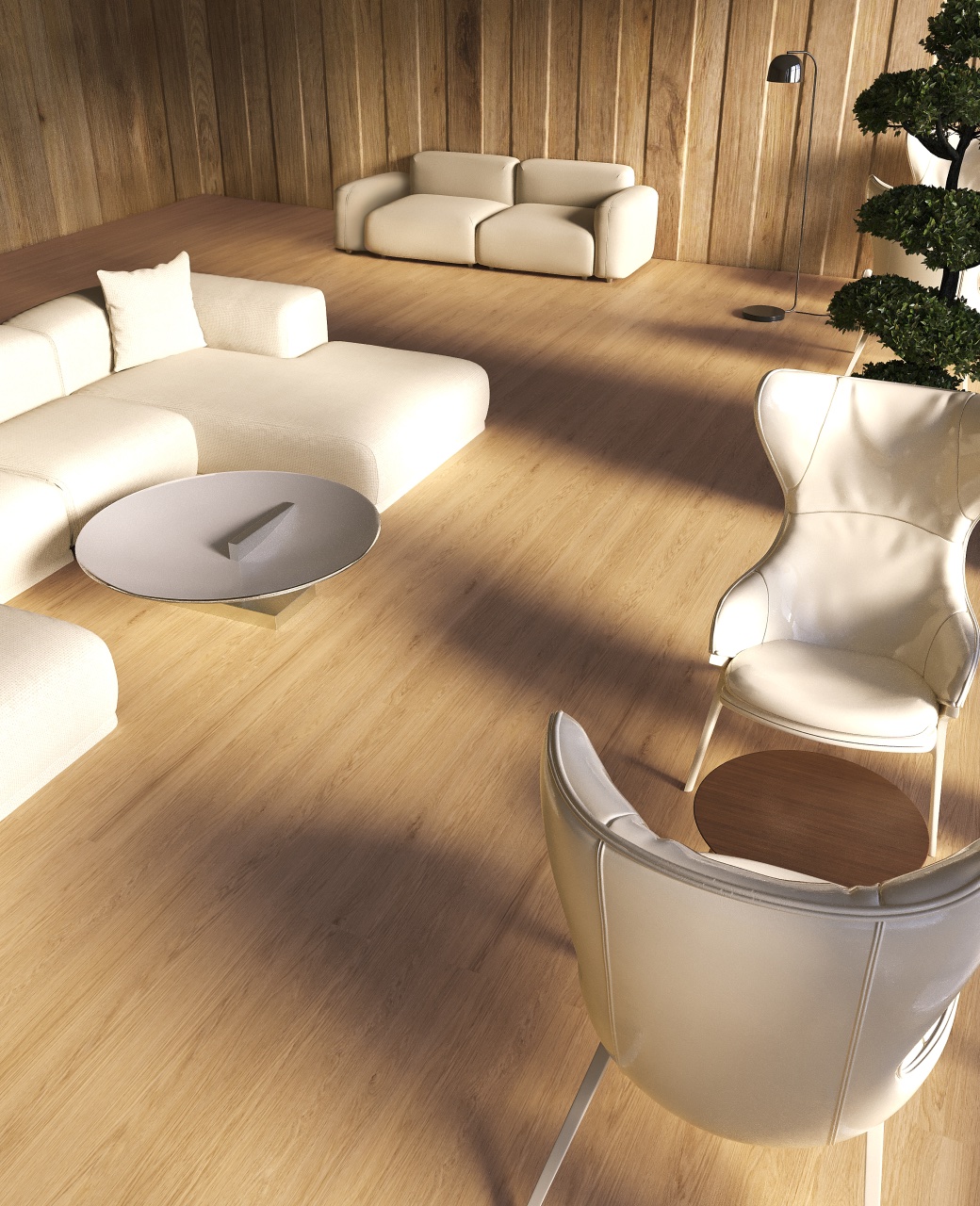
Close to the Gulf and North Africa
Geography is a quiet advantage. Türkiye borders the Middle East and North Africa, so shipping routes to the Gulf and the Mediterranean coast are shorter than the long haul from East Asia. Shorter distance tends to mean tighter timelines and less capital tied up in goods on the water. Exact transit depends on port and order, and MILAT confirms that per shipment rather than quoting a blanket figure.
A waterproof core for humid climates
Coastal Gulf humidity, sea air and wet-cleaned lobbies are hard on flooring that swells or lifts. MILAT SPC is built on a 100% waterproof core that stays dimensionally stable where moisture would trouble wood or laminate. The EIR surface holds its texture and look in bathrooms, poolside corridors and humid entrances alike.
Hospitality and high-traffic wear
Hotels, malls and lobbies punish a floor from opening day. MILAT rates its wear layer up to AC5, and the Triollo EIR range is specified for heavy commercial use. That headroom matters in fit-outs where a floor has to look right through years of luggage trolleys, foot traffic and cleaning machines.
Custom and OEM for projects
Project work rarely fits a stock catalogue. MILAT offers custom colours and sizes across three collections and 54 designs, plus OEM and private-label programs so a distributor or contractor can match a specification or carry a branded range. Spec-driven jobs get product built to the drawing, not the other way round.
Certified for international projects
| Requirement | MILAT answer |
|---|---|
| Humidity | 100% waterproof SPC core |
| Traffic | Up to AC5, Triollo EIR heavy commercial |
| Acoustic comfort | IXPE up to 21 dB |
| Sun exposure | 2X UV coating |
| Project branding | OEM, private label, custom sizes |
| Location | Türkiye, close to GCC and MENA |
Specifiers can point to FloorScore certification, ISO 9001, 10002, 14001, 27001 and 45001, CE marking under EU 305/2011, and an SHI Product Passport, with a licensed Unilin click system underneath. That paperwork clears procurement on serious hospitality and construction tenders.
Sand is the region's real durability test
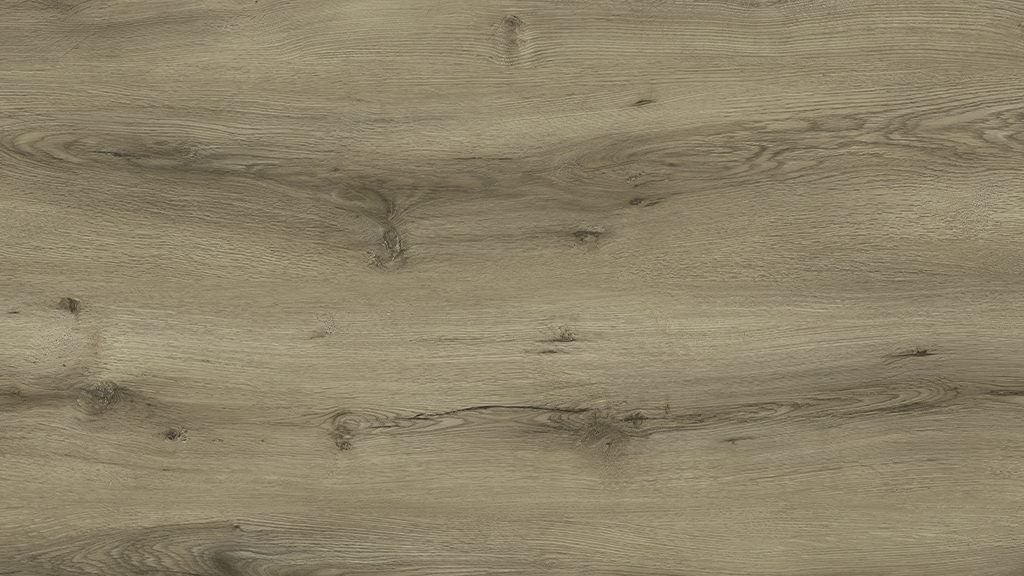
Specifiers in the Gulf talk about heat, but the quiet floor-killer is windblown sand and grit tracked in from outside. Fine quartz particles act like sandpaper under every footstep, which is why glossy floors dull in traffic lanes within a season. Two defences matter. On the product side, a dense wear layer with a hardened coating; MILAT boards carry a 2X UV coating and ratings up to AC5 for exactly this abrasion regime. On the building side, serious entrance matting, several paces deep, that strips grit before it reaches the floor field. Projects that combine both keep their sheen in year five; projects that skip the matting blame the floor for what the desert did.
Air-conditioned interiors and the expansion question
A Gulf interior lives between two climates: fierce heat and solar gain on the envelope, and constant air conditioning inside. The risk moments are the gaps between them, a mall zone where the chillers cycle down overnight, a villa left unconditioned through a summer holiday, a glazed lobby that bakes in the afternoon. Flexible vinyl and laminate struggle with those swings; a rigid mineral core moves far less, which is a large part of why the regional market has shifted to SPC. Installers should still respect expansion gaps and shade the floor during site storage, because a stack of dark planks left by a window in August starts its service life stressed.
What the region likes to look at
Design demand across the Gulf splits cleanly by segment. Residential and hospitality projects lean toward light and honey oaks that keep interiors bright and match the pale stone palettes of regional architecture. Premium retail and F&B like deeper walnut tones for warmth after dark. Stone and travertine looks bridge the gap between traditional marble tastes and the comfort of a resilient floor underfoot. MILAT's three EIR collections span that spectrum across 54 designs, and for branded chains or large developments we produce custom colours so a flagship decor can carry across an entire portfolio without depending on a stock range staying available.
Getting goods into the GCC without drama
Import into the Gulf rewards suppliers who take documentation seriously. Conformity paperwork, certificates of origin and clean packing lists keep containers moving through Jebel Ali, Dammam or Doha; missing or inconsistent papers park them. Shipping from Turkish Mediterranean ports keeps the sea leg short and offers road-freight alternatives through the Levant when schedules demand it. MILAT prepares export files to the destination's requirements as standard, and because we hold ISO management certifications and CE Declarations of Performance in our own name, consultant approval packages assemble quickly. For project buyers on penalty clauses, boring customs clearance is a genuine supplier feature.
After the container lands: what support should look like
The relationship a distributor should expect does not end at the bill of lading. Ask a supplier how they handle a shade query between reorders, whether they hold decor files so a repeated order matches the first, and who answers a technical question from a site in Riyadh on a working day. As a manufacturer we keep batch records against every order, supply installation guidance in formats site teams actually use, and support distributor marketing with product data, images and sample programmes. Distributors sell what they can defend; our job is to make the product easy to defend.
Talk to MILAT Floor
Samples, specifications, OEM & private label, wholesale or export — our team is ready.