
When SPC flooring goes into a tender or bill of quantities, the specification decides what actually arrives on site. A loose spec invites substitution with a lesser product; a precise one protects the design intent and the client. This guide covers the clauses that matter and the documentation to demand.
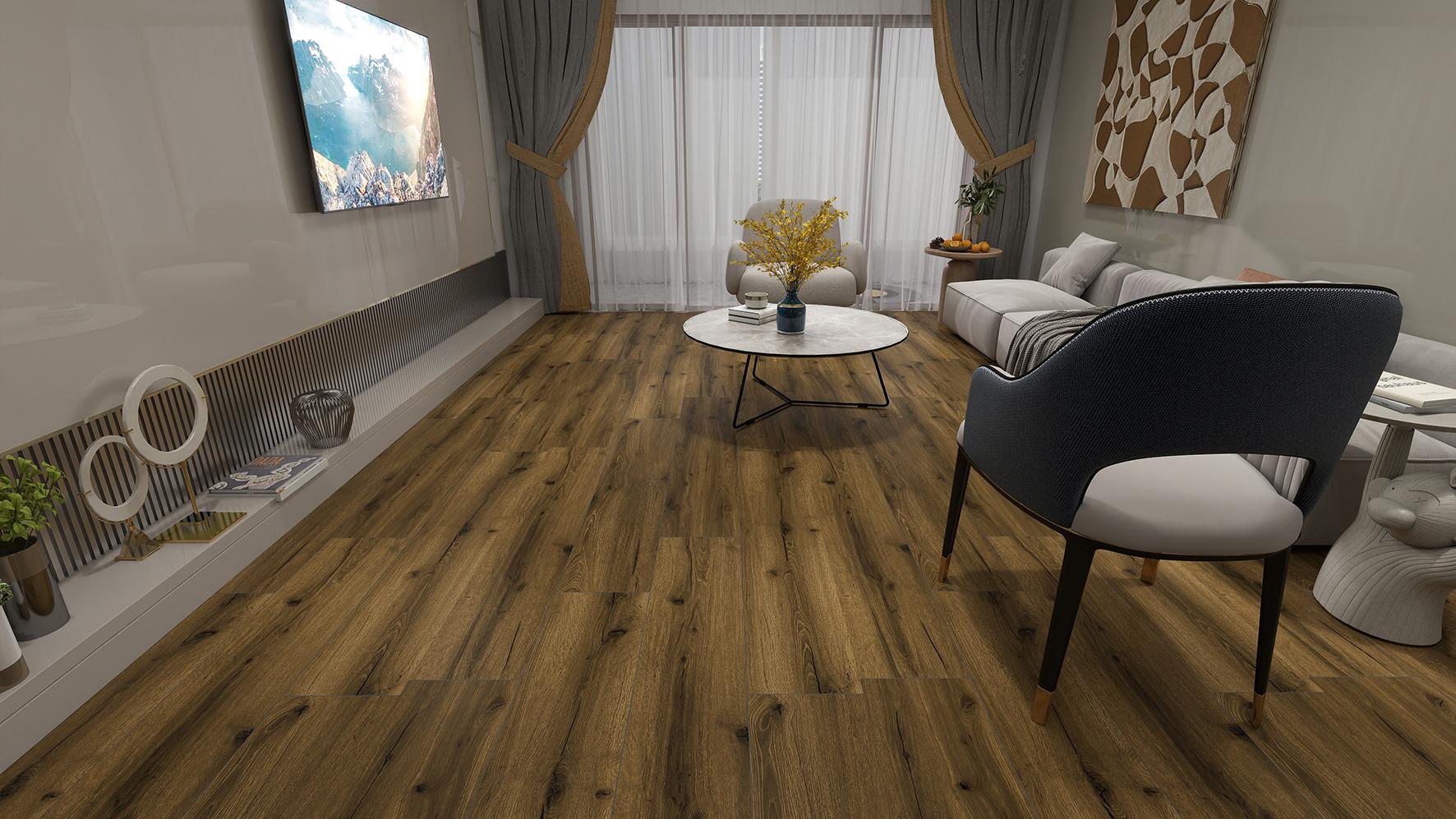
The clauses a spec should pin down
- Core type: rigid Stone Plastic Composite (SPC), 100% waterproof.
- Wear rating: the abrasion class for the traffic level — up to AC5 for heavy commercial.
- Surface: Embossed In Register (EIR) where texture realism is part of the design intent.
- Locking system: a licensed click system, such as licensed Unilin.
- Acoustic layer: attached IXPE underlay and its sound-absorption performance.
- Certification: FloorScore indoor air quality, CE Declaration of Performance, ISO systems.
Documents to request from the supplier
Ask for the technical data sheet, the CE Declaration of Performance, FloorScore certification and installation guidance. A serious manufacturer provides these readily and in its own name — MILAT publishes its documentation and supplies it with project quotations.
Guarding against substitution
Substitution usually happens on the vague lines of a spec. Naming the certification, wear class, locking system and acoustic performance — and requiring equivalent documentation for any proposed alternative — keeps a value-engineered swap from degrading the floor the client approved.
Working with MILAT on projects
MILAT supports specifiers with technical data, samples and project pricing from its factory in Gaziantep, Türkiye. Floors are FloorScore, ISO and CE certified, built on a licensed Unilin click, and supplied worldwide with consistent specification across phases.

Performance clauses versus product names
There are two ways to write a floor into a spec: name a product, or define performance and let compliance decide. The strongest specifications do both — name the reference product with its collection and decor code, then state the performance a substitute must equal: core type, wear rating, licensed click system, attached acoustic layer with its dB value, and the certifications behind each claim. Written this way, the clause is defensible in value engineering: a proposed alternative must match the numbers, not just the photograph, and most substitution attempts quietly fail at that hurdle.
Coordinate the flooring clause with the other consultants
A flooring spec touches more disciplines than it appears to. The acoustic consultant needs the attached IXPE layer's contribution — up to 21 dB on MILAT boards — reflected in the separating-floor calculations. Fire strategy needs the flooring's reaction-to-fire classification from the CE Declaration of Performance. The mechanical engineer needs the floor confirmed against underfloor heating parameters. Circulate the flooring datasheet to each consultant at design stage, and record their sign-offs. Specifications fail most often at the seams between disciplines, not inside any one of them.
Control samples: make approval physical
A decor name on paper is not an approval; a plank in a drawer is. At sample stage, obtain duplicate physical samples of the approved product, have both parties sign and date them, and retain one set with the contract administrator. When deliveries arrive on site, they are checked against the signed plank — decor, texture, gloss, construction — and any drift is visible in seconds. This habit costs nothing and ends the most common site dispute, which is not whether the product is good, but whether it is the product that was approved.
Benchmark areas set the standard for the whole job
On projects of any size, have the flooring contractor install a benchmark area first: one room or zone, laid to finished standard and formally accepted before the rest proceeds. The benchmark settles questions while they are still cheap — layout direction, joint quality, perimeter details, transitions, protection method — and becomes the physical yardstick every later area is judged against. It also flushes out subfloor surprises early. Ten minutes inspecting a benchmark saves the weeks of argument that follow discovering problems at practical completion.
Specify the aftercare, not just the floor
A specification that stops at installation abandons the floor at its most vulnerable moment. Add clauses for protection of the finished floor until handover, a cleaning and maintenance schedule to be issued with O and M manuals, and attic stock: a stated quantity of each decor from the installed batch, handed to the client with batch records. These lines take minutes to write and determine how the floor looks at the end of the defects period — which is, in practice, when everyone judges whether the specification worked.
Talk to MILAT Floor
Samples, specifications, OEM & private label, wholesale or export — our team is ready.