
For a developer, flooring is a repeated decision multiplied by every unit in the scheme. A choice that works well saves money and callbacks across the whole project; a poor one becomes a warranty headache in occupied homes. SPC has become a default for residential and mixed-use development because it is waterproof, hard-wearing, and easy to specify at volume. The supplier question is where the value is won or lost.
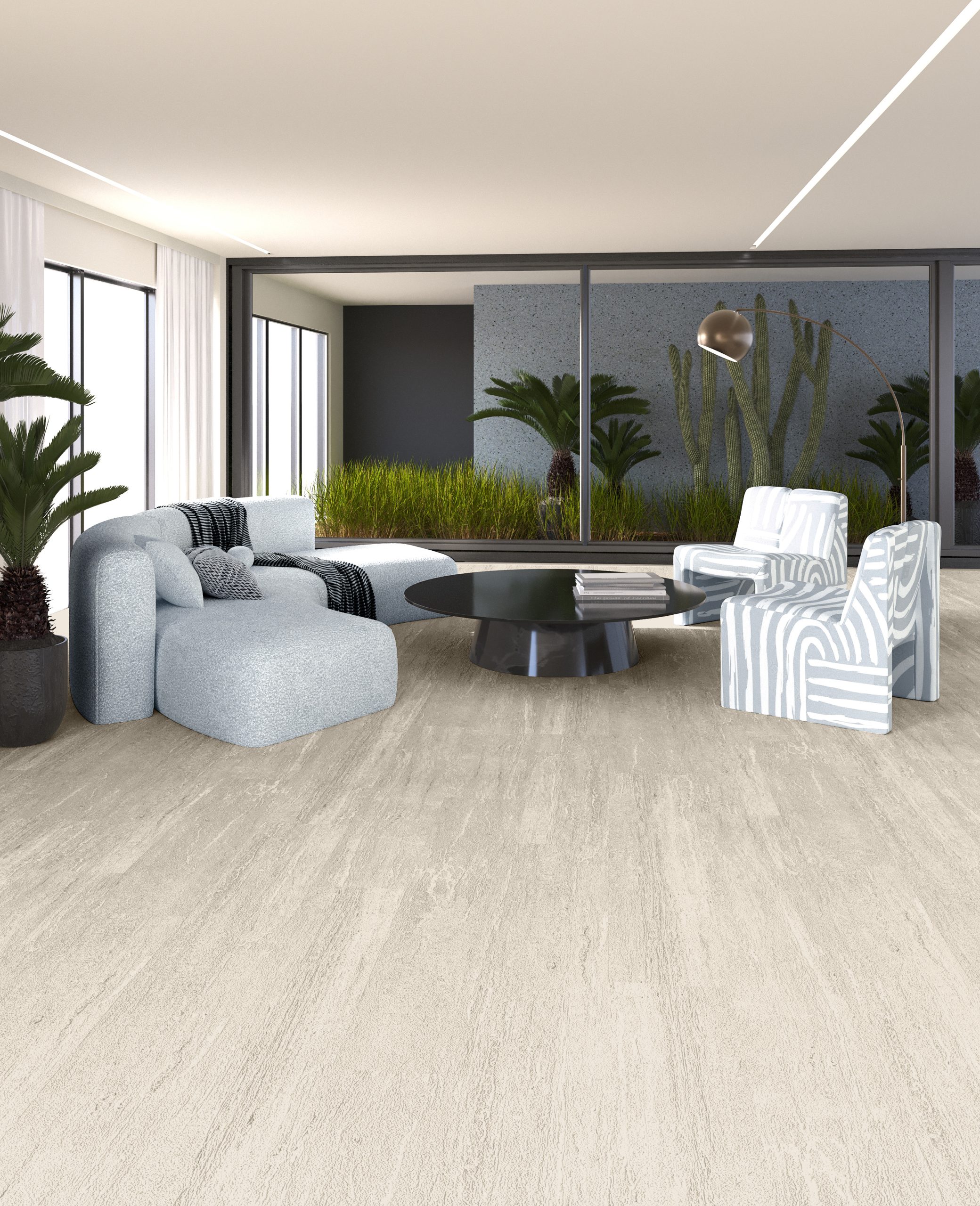
Waterproof floors mean fewer callbacks
Across dozens or hundreds of units, water damage is a statistical certainty — a leaking appliance, an overflowing bath, a wet entrance. A 100% waterproof SPC core does not swell or delaminate the way a wood-core product does, which cuts the post-handover claims that eat into a developer's margin. MILAT's SPC core is fully waterproof throughout.
One specification across the whole scheme
Specifying one product family across living areas, kitchens, and bathrooms simplifies procurement, installation, and maintenance for the eventual owner or operator. It also means a single set of certificates for the whole scheme rather than juggling products. MILAT can cover varied unit layouts from one collection and one documentation pack.
Cost predictability at volume
Development budgets are set early and defended hard. Sourcing a large volume from one manufacturer gives you a stable landed cost per square metre and protects the budget line from the drift you get when you buy piecemeal from different traders. Agree volume terms with the maker directly and lock the specification so the price you budgeted is the price you pay. MILAT confirms volume pricing per project.
One supplier, less coordination risk
Every extra supplier is another delivery to coordinate and another party to chase when something is short. Consolidating flooring with a single manufacturer reduces that risk and gives you one accountable contact across phases. MILAT supplies direct from its Gaziantep factory with worldwide export handling.
Custom colours for a signature look
Developers often want a floor that matches a brand standard or differentiates a scheme. As a manufacturer, MILAT produces custom colours and sizes, so a housebuilder or operator can carry a consistent signature finish across every unit rather than settling for the nearest stock match.
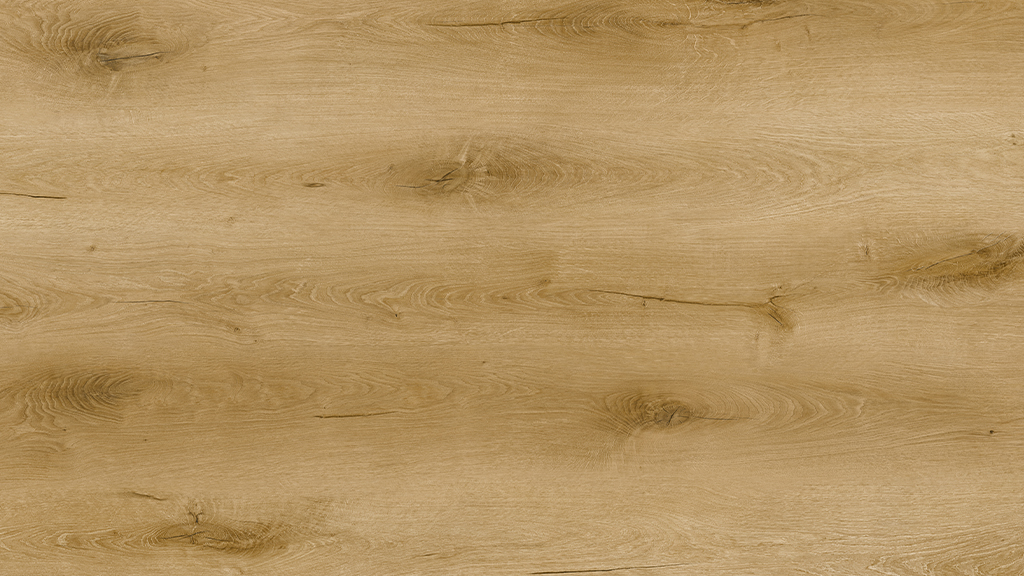
What the design team needs to specify it
| Spec need | MILAT provides |
|---|---|
| Indoor air quality | FloorScore |
| EU compliance | CE under EU 305/2011 |
| Quality & environmental management | ISO 9001 and ISO 14001 |
| Traceability | SHI Product Passport |
| Wear performance | AC5 wear class |
That pack lets an architect or M&E team drop the product straight into the specification without chasing paperwork later.
If you are specifying flooring for a development, MILAT can quote at volume, hold the specification across phases, and produce a custom finish. Email sales@milatfloor.com or call +90 535 960 79 46 to discuss the scheme.
The show unit sells the whole scheme
Buyers judge a development in the first minute of the show unit, and the floor is the biggest single surface in that first impression. A convincing EIR wood decor underfoot reads as quality throughout, and because the same product runs through kitchen and bathroom without changing material, the unit feels larger and more coherent than one chopped into tile and laminate zones. There is a practical bonus: a show unit floor takes months of visitor traffic in outdoor shoes, and an AC-rated SPC surface still looks fresh at final handover when a softer floor would already show lanes.
Sequence flooring late, protect it after
On site, when flooring goes in matters as much as what goes in. SPC's click installation needs no adhesive cure, so it can be sequenced late, after wet trades and painting, which shortens its exposure to following damage. Whatever remains — snagging, appliance installs, furniture — the installed floor should be covered with a breathable protection board, taped to itself and never to the floor. The floors that look tired at handover are almost never worn; they are scratched by the last three trades. Cheap protection is the highest-return line in the finishing budget.
Site logistics: storage and distribution by floor
Flooring for a multi-storey scheme is a materials-handling problem before it is an installation problem. Cartons should be stored flat, dry and off the slab, in conditioned space rather than a wet shell, and distributed floor-by-floor as areas become ready rather than dumped in one ground-floor stack that gets picked over. Plan hoist or lift time for the packs, and label deliveries by core and level. Crews lay fast when the right decor is already outside the right apartment; they stall when every pack must be hunted.
Acoustic compliance without a separate underlay trade
Apartment schemes carry impact-sound requirements between dwellings, and every separate acoustic layer is another trade, another interface, another thing to fail inspection. SPC with a factory-attached IXPE pad — MILAT's absorbs up to 21 dB — builds the acoustic layer into the flooring itself, with one product, one supplier and one test report to file. The design team should still confirm the full floor build-up against the project's acoustic target, but starting with an attached pad simplifies both the drawing and the site.
Handover packs and the management company
A development is judged for years after practical completion, usually by the management company and the residents. Hand them what they need: care instructions per unit, the decor name and batch records, certificates on file, and attic stock of each decor stored somewhere findable. When a leak or a clumsy furniture move damages a floor in year four, plank replacement from retained stock is a small job and a good story about the developer. A missing decor and no records is how small damage becomes a resident dispute.
Talk to MILAT Floor
Samples, specifications, OEM & private label, wholesale or export — our team is ready.