
Sometimes an off-the-shelf range isn't enough — you need a floor that matches a specific colour, format or brand identity. MILAT Floor is a custom SPC and LVT flooring manufacturer in Gaziantep, Türkiye, producing bespoke colours, textures and sizes without compromising on performance.
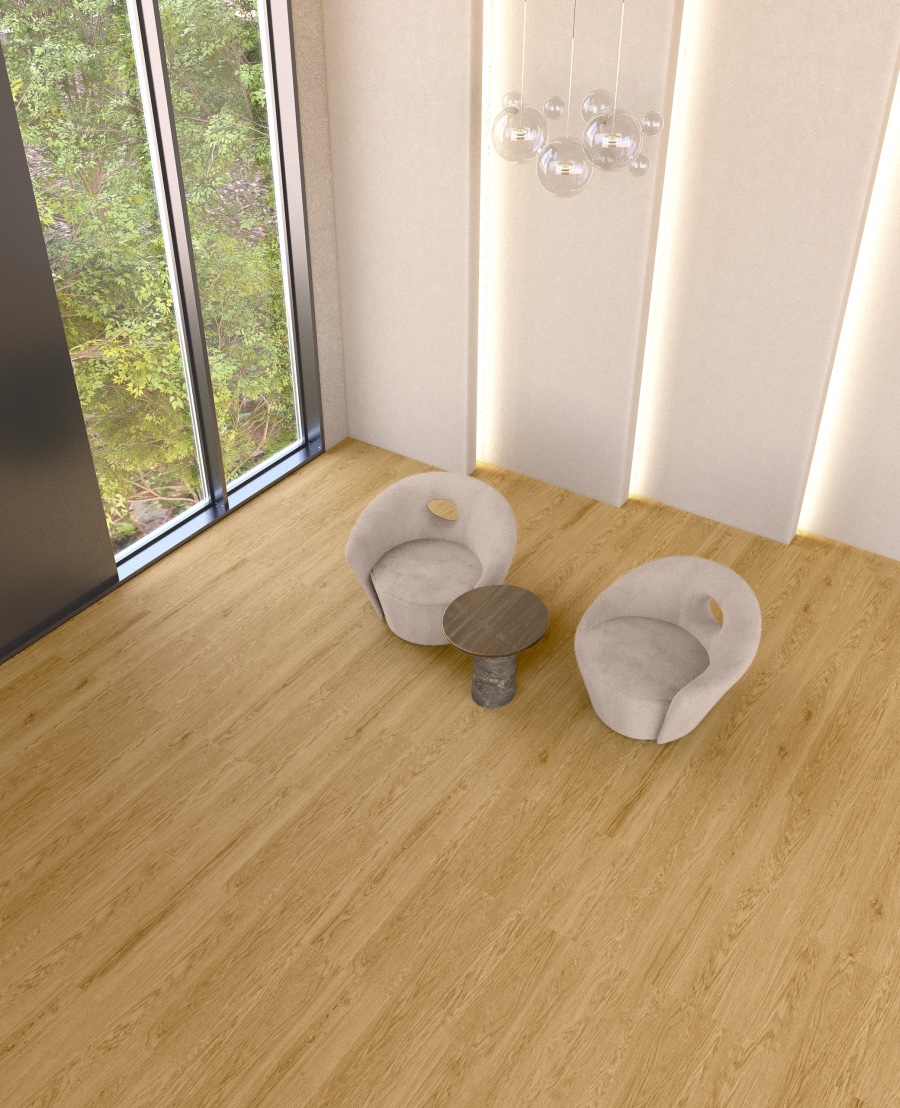
What can be customised
- Colour — tailored wood and stone tones to match your market or project.
- Texture — Embossed In Register (EIR) surfaces aligned to the printed design.
- Size — dimensions specified for your application.
- Brand — produced as a private label / OEM floor under your own name.
Realism through EIR
Custom designs keep the realism MILAT is built on. An Embossed In Register surface aligns the physical texture with the printed grain, knot or stone vein — so a bespoke floor still looks and feels authentic underfoot, not flatly printed.
Performance you keep on custom orders
A custom colour or size does not change the engineering. Every bespoke floor keeps the 100% waterproof SPC core, AC5 wear rating, IXPE acoustic layer (up to 21 dB) and licensed Unilin click system that define MILAT's collections.
From brief to production
Share your target colour, texture, size and quantity, confirm the specification against a sample, and your floor is manufactured in Gaziantep and exported worldwide. Minimum quantities and lead times for custom runs are confirmed per project — contact the team to start a brief.
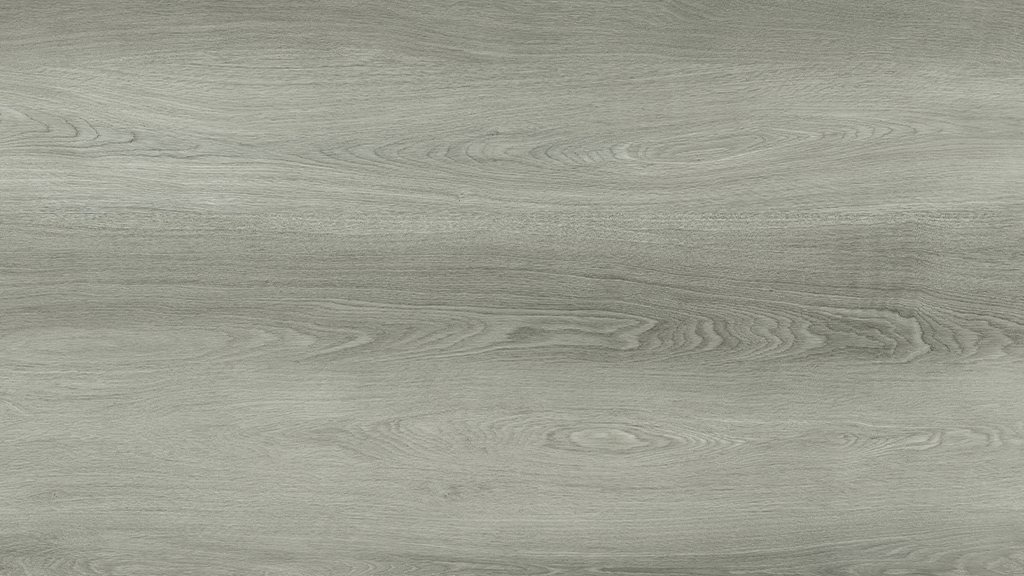
When custom beats the standard range, and when it does not
Custom is the right call when the floor is part of a brand: a hotel group rolling one interior identity across properties, a retailer matching flooring to a franchise design manual, or a distributor who needs a range no competitor in their market can order. It is the wrong call for a single small project, because tooling, film sourcing and colour approval only pay off across real volume. A practical middle path is to launch on standard designs from the 54-decor range under your own label, prove the market, then commission custom decors for the bestsellers.
Common mistakes in a custom brief
Most delays in custom projects trace back to the brief, not the factory. The classic errors are easy to avoid once you know them.
- Sending a photo instead of a physical sample: screens shift colour, so approvals made from images almost always get revised
- Leaving gloss level and texture unspecified: two floors with identical prints look different at different sheens
- Forgetting the installed context: a decor approved under warehouse lighting can read differently under warm hotel lighting
- Changing the format mid-project: plank size affects how a decor repeats, so lock dimensions before film work starts
The reality of colour matching
Colour matching is a controlled negotiation with physics. Pigments behave differently under daylight, LED and halogen, a shift known as metamerism, so a match approved under one light source can drift under another. A serious manufacturer manages this by agreeing a reference light condition with you, producing lab samples, and iterating until you sign a golden sample that becomes the contractual standard. Every future batch is checked against that retained reference. Expect a tolerance window rather than perfection; wood decors are more forgiving here than flat greys, which show the smallest shift.
Custom without losing certification
A custom decor should never mean an uncertified product. Because customisation at MILAT changes the film, colour and format rather than the core recipe, the plank underneath keeps its 100% waterproof SPC construction, licensed Unilin click, attached IXPE acoustic layer and FloorScore-certified surface chemistry. When you brief a custom order, ask the manufacturer to confirm in writing which certificates and CE Declarations of Performance carry over to your specification. If a factory hesitates on that question, the custom route just became a risk.
Planning for reorders from day one
The first custom production run is the easy part; the second one, a year later, is where discipline shows. Agree up front how the factory archives your decor films, embossing references and colour standards, and how batch numbers will let you match new material to floors already installed. For phased projects, discuss whether to produce the full quantity in one campaign for perfect consistency or in staged runs checked against the golden sample. A manufacturer that raises these questions before you do is telling you something about how they run.
Talk to MILAT Floor
Samples, specifications, OEM & private label, wholesale or export — our team is ready.