
A gym is not one floor, it is several. What works under a reception desk is wrong under a dropped barbell. We would rather tell you where SPC genuinely performs and where it does not than sell you the wrong product. Used in the zones it suits, SPC is durable, waterproof, quiet with the right underlay, and easy to keep clean.
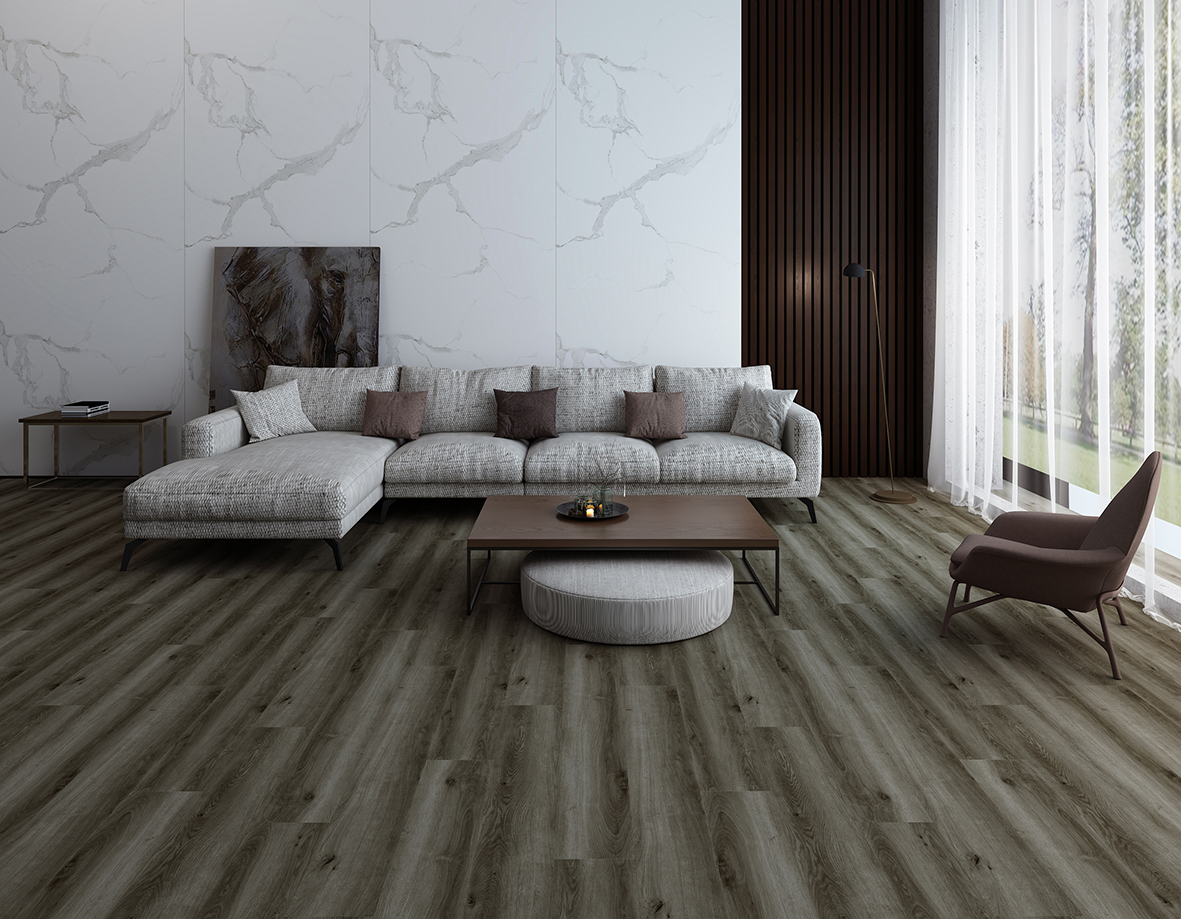
Start with an honest boundary
SPC is a rigid click floor, not an impact-absorbing sports surface. Free-weight and Olympic-lifting areas, where loaded bars get dropped, need dedicated rubber flooring designed to take that shock. Put SPC there and you risk cracking planks and voiding any sensible expectation of the product. So keep it out of drop zones. Everywhere else in a fitness facility, it has a strong case.
Where SPC genuinely fits
- Reception and entrance areas, where a smart wood or stone look sets the tone
- Group studios for yoga, pilates, spin and stretching (non-drop training)
- Cardio floors under treadmills, bikes and cross-trainers
- Corridors and circulation between rooms
- Dry zones of changing rooms and locker areas
Durable under constant traffic
Members arrive in waves, and the floor gets walked, wheeled, and cleaned all day. MILAT SPC carries a wear layer up to AC5, the heavy-commercial rating, so high-traffic corridors and cardio zones hold their finish. The 2X UV coating helps the surface stay presentable through repeated cleaning.
Waterproof and easy to clean
Sweat, spilled water bottles, and daily mopping are no problem for a 100% waterproof core. Changing-room dry zones and studio floors wipe down fast between classes, and there is no grout or porous surface trapping grime.
Quieter underfoot with IXPE
Foot traffic and cardio machines generate noise that travels. Our IXPE acoustic backing provides sound reduction of up to 21 dB, which takes the edge off footfall in corridors and studios and helps rooms feel calmer, especially in multi-level facilities.
Design that matches your brand
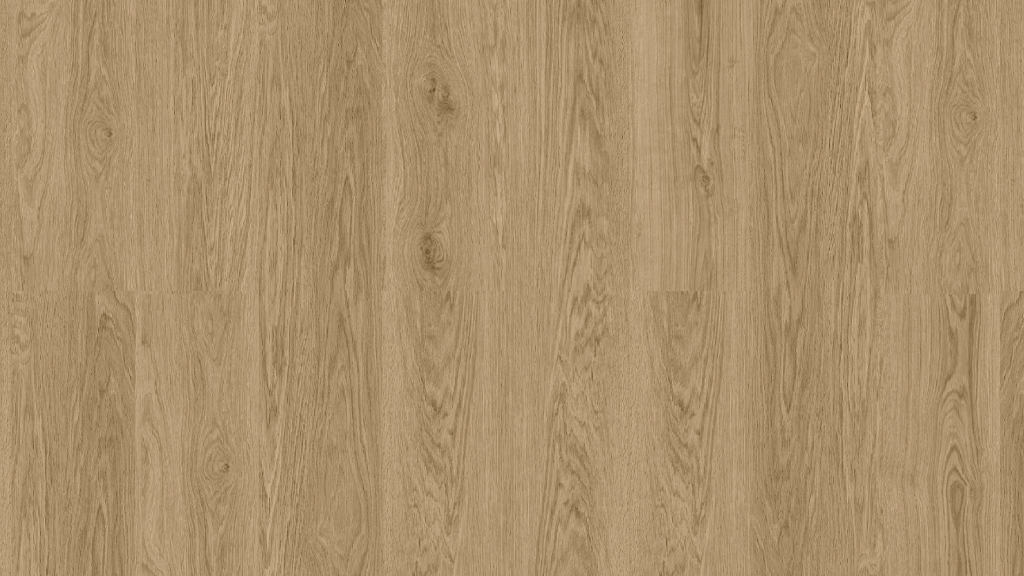
A gym floor is part of the first impression. Realistic wood tones and stone looks, made convincing by the EIR surface texture, let reception and studios feel considered rather than industrial, while still being a floor you can maintain without fuss.
Speccing a new studio or fit-out? Email sales@milatfloor.com or call +90 535 960 79 46 and we will map SPC to the zones where it performs and flag where you should plan for rubber.
Plan the transitions before you plan the floors
A gym floor plan lives or dies at its junctions. Where SPC in reception and studios meets rubber in the strength zone, the meeting line should sit under a doorway or a natural boundary, finished with a proper transition profile that handles the height difference without a trip lip. Get this on the drawing early: a clean, ramped junction disappears underfoot, while an afterthought threshold becomes the most-kicked edge in the building. Straight, deliberate zone boundaries also make future refits easier, because each floor type can be lifted and replaced without disturbing its neighbour.
Cleaning regimes: sweat, disinfectant and the daily reset
Gym floors are cleaned harder and more often than almost any interior surface — sweat wiped between users, disinfectant misted over touchpoints, full machine or mop cleans overnight. SPC's sealed, 2X UV-coated surface takes this routine well: nothing soaks in, and pH-neutral cleaners keep the finish intact for years. Two cautions from experience: rinse or damp-mop after aggressive disinfectants rather than letting residues build into a film, and put grit-trapping matting at entrances, because carried-in sand does more surface damage than any spray bottle ever will.
Installing around equipment that never wants to move
Fit-out sequence matters in a gym more than most spaces, because the heaviest objects arrive last and never move again. Lay the floor before treadmills, pin-loaded machines and racks are positioned, use load-spreading mats or feet under concentrated points, and never drag a machine across a floating floor — walk it on skates or lift it. Leave the expansion gap free around the perimeter and any fixed columns. A floating SPC floor handles the standing weight of cardio equipment comfortably; it is the dragging and the point-load pivots during installation that cause the scars.
The 24-hour gym problem: no closing time, no cleaning window
Round-the-clock gyms never get an empty building, which changes maintenance thinking. Floors get cleaned zone by zone while members train around the barriers, so quick-drying damp cleaning beats wet mopping, and a floor that tolerates constant partial cleaning without special treatments earns its keep. SPC needs no periodic sealing, stripping or polishing, which is exactly what a facility without downtime requires. Plank-level repairability matters here too: a damaged board can be swapped in a short overnight lull instead of closing a zone for days.
Decors that flatter a hard-working floor
Gyms generate chalk dust, shoe scuffs and lint, and decor choice decides how visible all of it is between cleans. Mid-tone wood decors with pronounced EIR grain hide daily traffic best; very dark floors show chalk and dust, very pale floors show scuffs, and high gloss shows everything. Matte, textured surfaces also read better under the hard directional lighting most gyms use. From MILAT's 54 designs, mid-tone oaks are the consistent choice of fitness operators for precisely these unglamorous reasons.
Talk to MILAT Floor
Samples, specifications, OEM & private label, wholesale or export — our team is ready.