
SPC is one of the harder-wearing floors you can put down, but no floor is truly scratch-proof. Grit under a shoe, a dragged chair, or a dog sprinting for the door can all leave a mark. The good news: most scratches on SPC sit in the surface coating, not the decor, so they lift out with a light touch and the right approach.
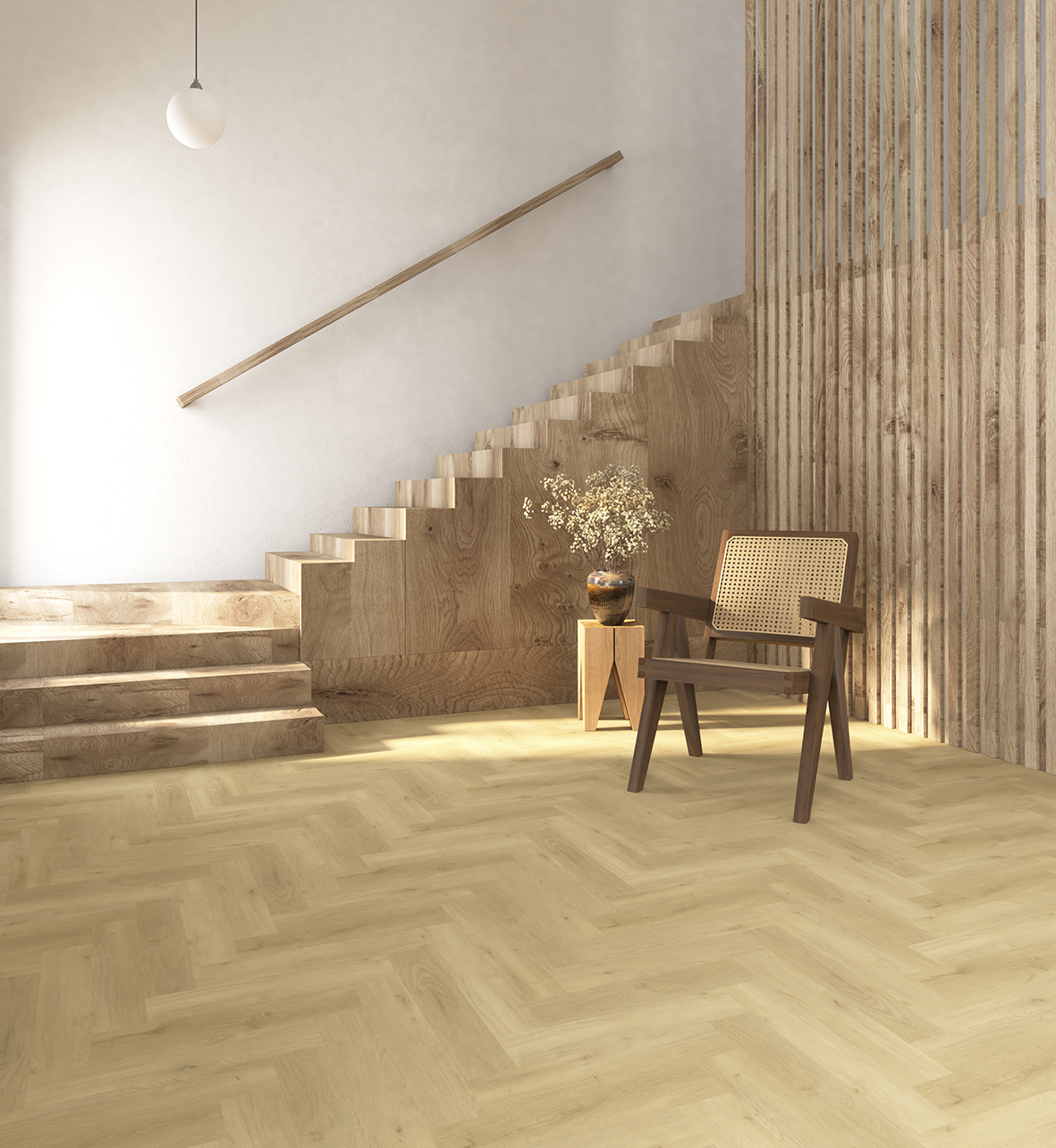
Shallow scuff or real gouge? Check first
Before you reach for anything, run your fingernail across the mark. If your nail doesn't catch, it's a surface scuff and will almost always buff away. If it snags in a groove, the scratch has cut into the wear layer, and you'll be hiding it rather than removing it. Knowing which one you have saves you from scrubbing at damage that needs a different fix.
What you'll need
- A soft microfibre cloth and a bucket of warm water
- A pH-neutral floor cleaner (skip anything abrasive or wax-based)
- A clean white pencil eraser for stubborn scuffs
- A colour-matched floor repair marker or wax stick for deeper marks
- Felt pads for the furniture that caused the mark
When the plank is past saving
Some gouges go too deep to hide, and that's where SPC has a quiet advantage. MILAT floors use a licensed Unilin click system, which is reversible: a single damaged plank can be unlocked from the row and swapped for a spare without pulling up the whole floor. Keep a few leftover planks from your original box for exactly this. It's cleaner than any touch-up on a deep scratch.
| Type of mark | Best fix |
|---|---|
| Light scuff or shoe mark | Eraser, or microfibre with warm water |
| Fine hairline scratch | Repair marker or wax stick, buffed level |
| Deep gouge to the wear layer | Replace the plank via the click system |
| Dull, cloudy patch | pH-neutral cleaner, then dry buff |
Stop the next scratch before it happens
Repair is good; prevention is better and cheaper. Almost every SPC scratch traces back to one of three culprits: grit carried in on shoes, furniture moved without protection, or pet claws on the run. A proper doormat at each entrance removes most of the grit problem. Felt pads under every chair and table leg, checked and replaced a couple of times a year, remove the furniture problem. That leaves the dog, and a regular claw trim does more for the floor than any repair kit ever will.
- Walk-off mats at every exterior door, without rubber backing
- Felt pads on all furniture legs, renewed when they compress or fall off
- Hard chair-mat or soft castors under rolling office chairs
- Regular claw trims for dogs and cats
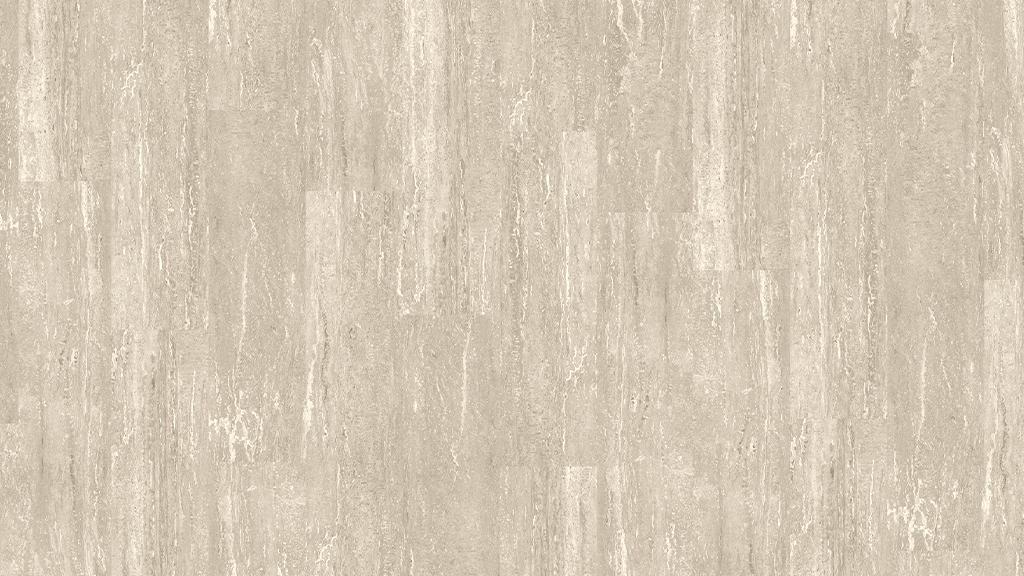
Why texture is your ally: the EIR effect
A perfectly smooth glossy floor shows every hairline mark because light bounces off it in one clean sheet. An EIR surface, where the embossing follows the printed wood grain, scatters light in many directions, so fine scuffs disappear into the texture instead of catching the eye. This is worth knowing before you buy as much as after: households expecting hard use should lean toward matte, textured, mid-tone designs, which hide the small stuff for years. On a floor like that, the repairs described above become rare events rather than routine.
Colour matching a repair so it disappears
The difference between an invisible repair and an obvious one is almost always colour, not technique. Wax and putty sticks are made to be blended: pick one shade slightly darker and one slightly lighter than the plank, melt or knead them together on a scrap surface, and test on an offcut or inside a closet before touching the visible scratch. Fill across the scratch rather than along it, scrape flush with a plastic card, and dull any shine with a gentle rub so the sheen matches the surrounding wear layer. Work in daylight; artificial light lies about colour.
Scratches in rentals and commercial spaces
For landlords and shop owners the question is not whether a scratch can be removed but whether it is worth the visit. A sensible standing policy: scuffs and hairline marks wait for the turnover or the quiet season and are treated in one batch; gouges that expose the core get a plank swap from attic stock. Keeping a box of planks from the original batch and a matched repair kit on site turns floor repairs from a contractor call-out into a maintenance task, which over a portfolio is a genuine cost difference.
What never to use on an SPC scratch
Some fixes make the damage permanent. Sanding or polishing machines cut through the wear layer and leave a dull halo far uglier than the scratch. Solvent cleaners and acetone can soften the UV coating. Standard floor waxes and oil polishes are designed for wood, build up as a grey film on vinyl surfaces, and are miserable to strip off. Heat guns belong nowhere near a rigid core plank. If a product was not made for rigid vinyl floors, test it on a spare plank first or leave it on the shelf.
Step by step
- 01
Clean the area first
Wipe the scratch and around it with a damp microfibre cloth and pH-neutral cleaner. Grit left on the surface will just scratch it more while you work, so let it dry before you go further.
- 02
Try a pencil eraser
For scuffs and heel marks, rub a clean white eraser back and forth over the line with light pressure. Many marks that look like scratches are actually transfer from rubber soles and disappear in seconds.
- 03
Buff a light scratch by hand
If a faint scratch remains, work a tiny amount of pH-neutral cleaner in with the microfibre cloth, moving with the grain of the plank rather than across it. Wipe dry and check under natural light.
- 04
Fill a deeper mark
For a scratch your nail catches, apply a colour-matched repair marker or wax stick along the groove. Let it set, then gently level the surface with a soft cloth so the fill sits flush with the floor.
- 05
Protect against the next one
Fit felt pads under furniture legs, use a doormat to trap grit at the entrance, and lift rather than drag heavy items. Most SPC scratches are repeat offenders from the same chair or table, so fixing the cause matters as much as the mark.
Talk to MILAT Floor
Samples, specifications, OEM & private label, wholesale or export — our team is ready.