
Choosing an SPC flooring supplier is about more than price. The right manufacturer combines certified quality, genuine waterproof performance, and the commercial flexibility — OEM, wholesale and export — to support your project or brand. Here's a practical checklist.
1. Check the certifications
Certifications are the clearest proof of quality and safety. Look for FloorScore® (indoor air quality), CE Declarations of Performance, and ISO management-system certificates. MILAT Floor holds FloorScore®, CE (EU 305/2011) and five ISO standards.
2. Confirm the core and wear rating
- A genuinely 100% waterproof SPC core — essential for kitchens, bathrooms and commercial use.
- A wear rating that matches the use: AC5 is the highest common class for heavy traffic.
- Dimensional stability, so the floor stays flat under temperature change.
3. Ask about the click / locking system
The locking system determines how fast and how reliably the floor installs. A licensed Unilin click system installs tool-free, up to 60% faster than glue-down, and is reversible. MILAT builds on licensed Unilin click technology.
4. Check manufacturing capabilities
- OEM / private label — can they produce under your brand?
- Wholesale & distribution — do they support dealers and bulk orders?
- Export — can they ship worldwide reliably?
- Custom colours and sizes — can they match your specification?
5. Review the range and design realism
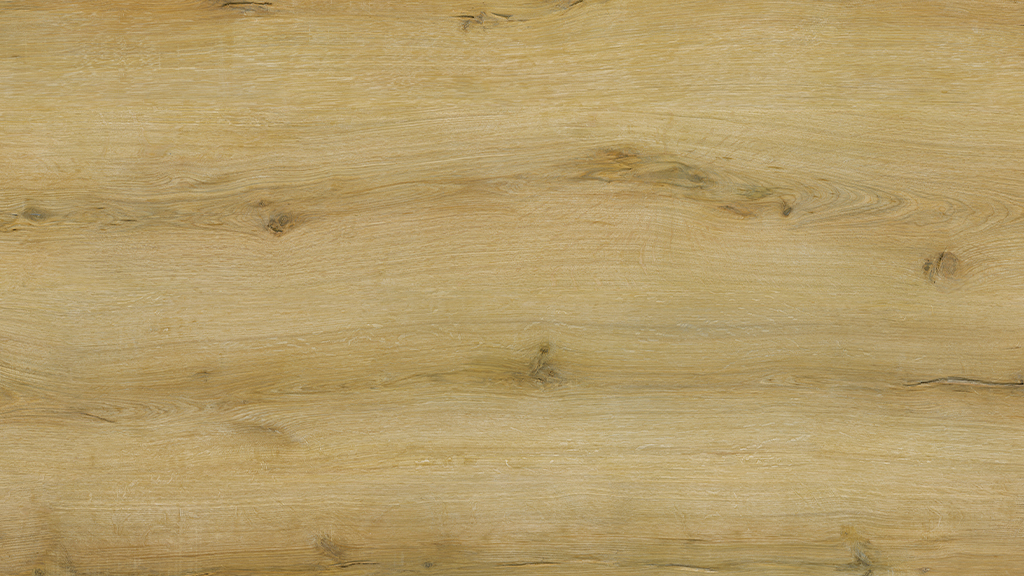
A strong supplier offers a broad, coherent range. An Embossed In Register (EIR) surface — where texture aligns to the printed design — is the mark of realistic wood and stone looks. MILAT offers three EIR collections and 54 designs.
Test the samples like an installer, not a shopper
A sample in your hand tells you more than any brochure, but only if you work it. Click two planks together and pull them apart a few times; a well-milled joint closes with a firm snap and shows no fuzz or chipping on the profile. Drop the plank flat on a hard surface and listen — a dense core sounds solid, a gassy one sounds hollow. Scratch the surface with a coin, stand a chair leg on it, leave one piece half-submerged in water overnight. None of this is scientific, all of it is revealing.
Then compare two samples of the same decor from different production dates if the supplier will provide them. Colour and gloss should match. A factory that cannot hold a decor steady between runs will give you mismatched floors when you reorder.
Judge how they communicate before you judge the product
Most sourcing problems announce themselves early, in small ways. Vague answers to technical questions, quotes that change between emails, a different contact person every week — these patterns rarely improve after you have paid a deposit. A supplier worth committing to answers precisely, tells you when something is not possible, and puts commitments in writing without being pushed. Ask a difficult question on purpose, such as what happens if a shipment arrives with damaged cartons, and note whether the reply describes a process or dodges.
Look at the paperwork machinery, not just the certificates
Certificates prove a product passed a test once. What keeps your business safe is the machinery behind them: batch traceability, a documented complaints process, and export paperwork that arrives correct the first time. Ask how a claim would be handled and traced back to a production batch. MILAT Floor runs ISO 9001 quality management alongside ISO 10002 for complaints handling, which means there is a defined path for problems rather than a negotiation every time.
Start with a trial order and inspect it properly
However good the vetting, the first real test is a commercial order you inspect hard. When it lands, open cartons from different pallets, not just the top row. Check decor consistency across cartons, measure a few planks for squareness, click a trial area together on the warehouse floor. Compare everything against the retained samples you approved. A supplier who welcomes this scrutiny is telling you something; so is one who resists it.
Think in landed risk, not unit price
The cheapest quote is often the most expensive floor. A weak core that fails inspection, a copied click profile that generates installer complaints, or paperwork errors that hold a container at customs all cost more than the saving on the invoice. Weigh each quote against what sits behind it:
- Certification that will satisfy your market's regulators and specifiers
- A licensed locking system installers will not fight
- Batch consistency you have verified with your own eyes
- A named contact and a written claims process
- Export experience in your specific region
Talk to MILAT Floor
Samples, specifications, OEM & private label, wholesale or export — our team is ready.