Flooring sets the tone for a whole interior, so it is the one finish most people want to get right and rarely want to redo. The floors in demand in 2026 lean natural, warm and tactile — a move away from the cool greys of the last decade. Here are the trends shaping homes, retail and hospitality this year, and how to pick a look that lasts.
1. Warm, natural wood tones
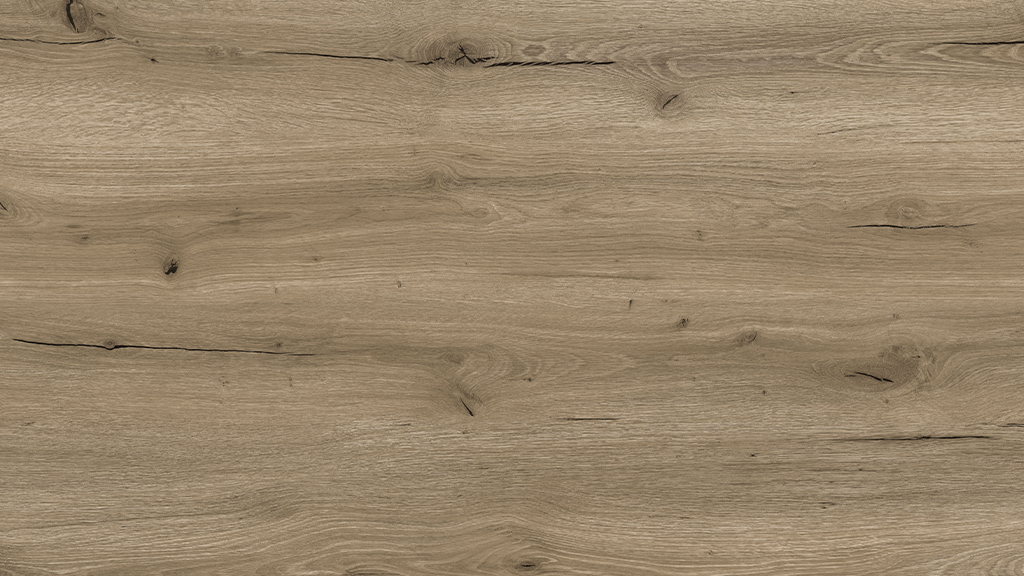
Cool grey has given way to warm honey oak, soft caramel and gentle taupe. These natural wood tones make a space feel welcoming rather than clinical, and they flatter both modern and traditional interiors. Mid-tones are the safest choice because they hide dust and the occasional scuff better than very pale or very dark floors.
2. Wide, long planks
Wider and longer boards are dominating. Bigger planks mean fewer joint lines, which makes a room read as larger and calmer. Rigid SPC suits the format well because a stable core keeps long, wide boards flat.
3. Matte, textured surfaces
High-gloss floors look dated and show every mark. The demand now is for matte finishes with real surface texture. Embossed In Register (EIR) technology aligns the texture you feel with the grain you see, so the floor reads as genuine timber rather than a printed copy.
4. Herringbone and patterns
Herringbone and chevron layouts are moving from feature spaces into everyday rooms. They add craft and movement, and work especially well in hallways and open-plan living areas. Patterned layouts use more material, so factor in a larger waste allowance when you order.
5. Realistic stone and concrete looks
Beyond wood, stone and mineral looks are rising — travertine, aged limestone and soft concrete. On a waterproof SPC core they bring the character of natural stone to kitchens and bathrooms without the cold, hard feel or the grouting.
How to choose a trend that lasts
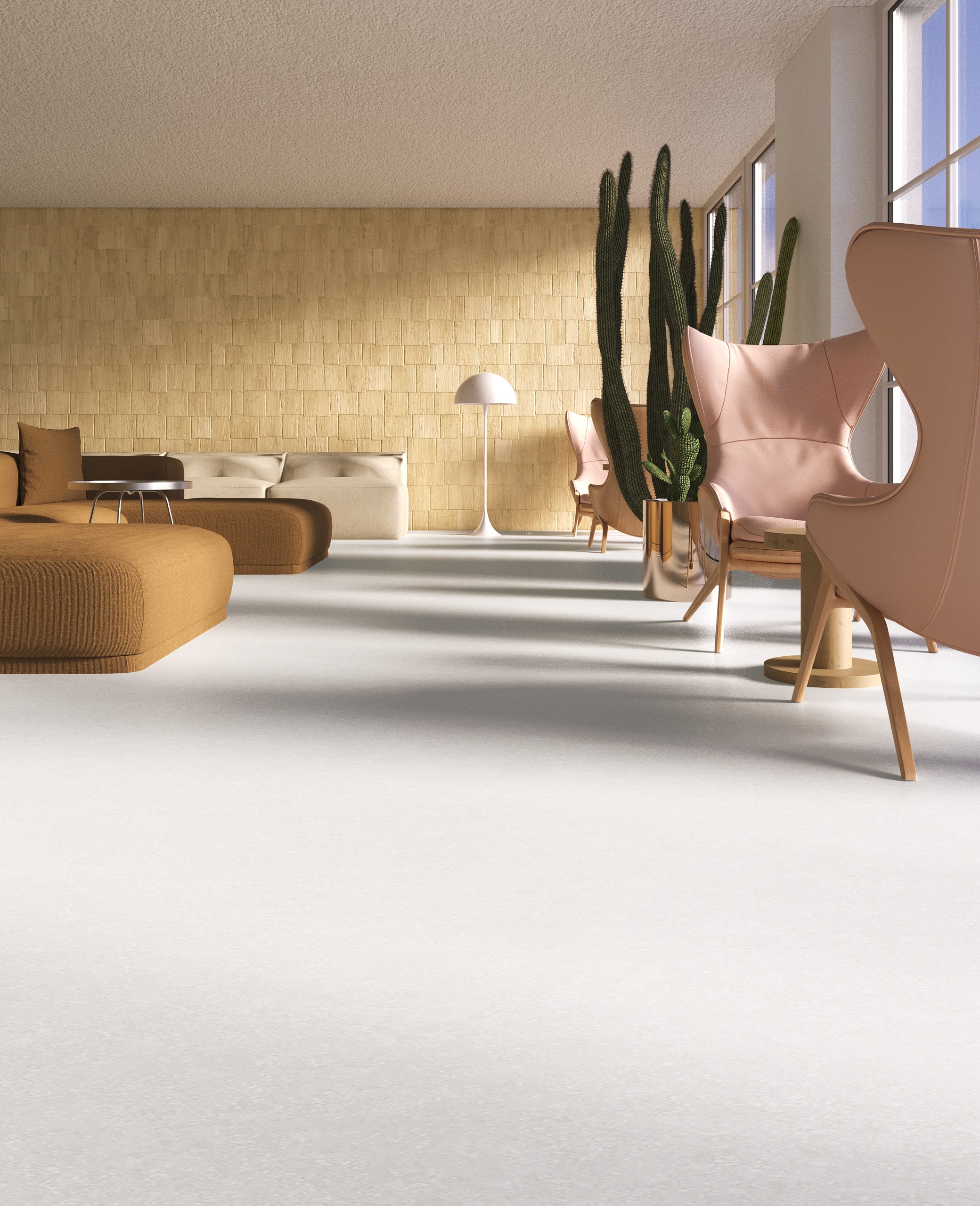
Trends are a starting point, not a rule. A floor is a long-term, whole-room backdrop, so lean toward natural mid-tones and matte textures that will not date, and save bolder statements for things that are cheaper to change, like walls and soft furnishings. Always confirm a colour with a physical sample in your own light before you commit.
Trends travel differently by region
There is no single 2026 floor; there are regional dialects of the same language. Northern and Western Europe lean pale, matte and Scandinavian, with oak looks and long formats. The Gulf favours stone and marble decors, larger-format elegance and cooler palettes that suit bright, air-conditioned interiors. North America runs a few shades warmer and wider, with rustic character grades holding ground. For homeowners this is permission to trust local taste over global mood boards. For importers and distributors it is the whole game: a container of decors matched to your market's dialect sells, and a container of someone else's trend sits in the warehouse.
Commercial interiors are borrowing residential warmth
One of the clearest shifts of the decade is offices, clinics, hotels and shops abandoning the cold institutional floor. Hospitality-style interiors now spec the same warm oak and walnut looks as living rooms, because employers and operators discovered that spaces which feel domestic read as welcoming. The technical catch is that a commercial floor must look residential while performing industrially, which is exactly the brief rigid SPC answers: wood-look EIR decors on a core rated up to AC5 wear, with an acoustic backing to keep open-plan spaces civil. Expect the residential-commercial visual gap to keep closing through 2026.
Quiet is becoming a specification
Acoustic comfort has moved from afterthought to buying criterion. Apartment living, open-plan layouts and home working have made impact noise, the thud and clack of footsteps travelling through a building, something buyers ask about by name. The flooring answer is integrated acoustic layers rather than separate underlays: MILAT's attached IXPE backing absorbs up to 21 dB of sound while keeping installation to a single product. Watch for acoustic performance to appear on more retail spec sheets in 2026, and for multi-storey residential projects to make it a standard requirement rather than an upgrade.
Sustainability questions are shaping choices
The 2026 buyer asks a new set of questions before colour even comes up: what is the indoor air quality certification, how is the factory managed environmentally, will this floor last long enough to justify itself. Longevity is quietly the biggest sustainability lever in flooring, since the greenest floor is one you do not replace in five years. Verifiable answers, FloorScore for emissions, ISO 14001 for environmental management, honest wear ratings for lifespan, are becoming part of the purchase decision in a way glossy eco-labels never were. Suppliers who invested in real certification years ago are finding that homework suddenly on the exam.
How a trend becomes a plank
Trends do not appear in flooring catalogues by magic. Manufacturers track interior fairs, kitchen and furniture palettes, and what their export customers report from each market; those signals become decor film selections, embossing choices and colourway tests, and eventually a place in a collection. The filter is deliberately slow, because a floor is a decade-long purchase and a fad printed onto a plank helps nobody. That is why ranges like MILAT's three collections and 54 designs move with trends rather than chase them: warm oaks arrive in more nuanced tones, formats stretch gradually, but every decor still has to make sense on a floor ten years from now.
Talk to MILAT Floor
Samples, specifications, OEM & private label, wholesale or export — our team is ready.