
The kitchen is the hardest room in the house for a floor. It faces water and grease, dropped knives and pans, heavy foot traffic and hours of standing. The best kitchen flooring has to be genuinely waterproof, tough enough to resist dents and scratches, comfortable underfoot and easy to wipe clean. Here is how the popular options stack up.
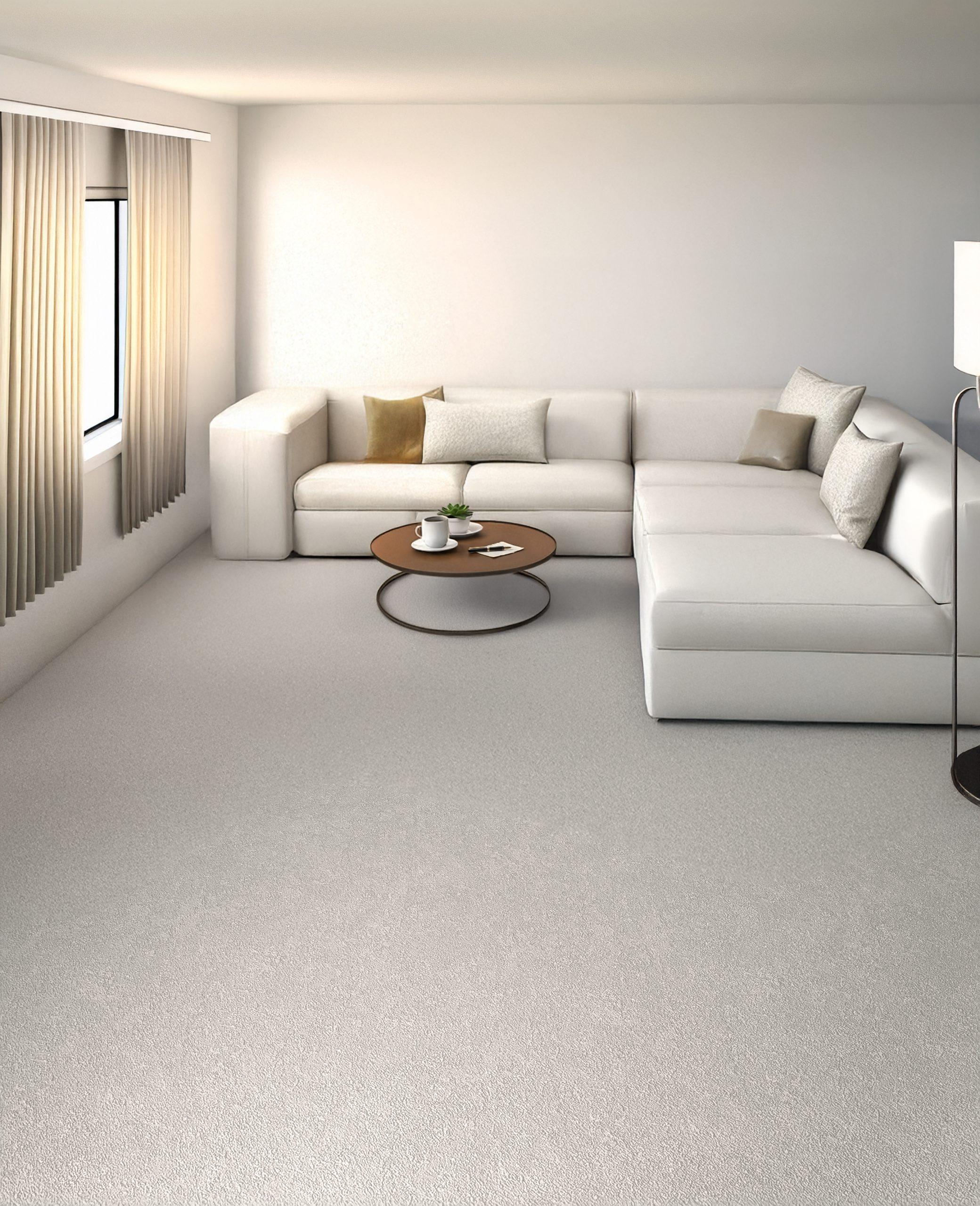
What matters in a kitchen floor
- Waterproofing — spills, leaks and mopping are constant, so the floor must not swell.
- Durability — it needs to shrug off dropped pans, grit and rolling loads.
- Comfort — you stand on it for long stretches, so warmth and give matter.
- Cleaning — grease and food mean an easy, wipe-clean surface is essential.
Kitchen flooring options compared
| Flooring | Waterproof | Durability | Comfort | Cleaning |
|---|---|---|---|---|
| SPC vinyl | 100% waterproof | High (up to AC5) | Warm, quiet | Wipe-clean |
| Ceramic / porcelain tile | Waterproof | Very high | Hard, cold | Easy, but grout stains |
| Laminate | Water-resistant only | Medium | Firm | Easy, avoid soaking |
| Engineered wood | Not waterproof | Medium | Warm | Careful cleaning |
| Sheet vinyl | Waterproof | Low–medium | Soft | Wipe-clean |
Why SPC leads for kitchens
SPC flooring pairs a 100% waterproof rigid core with a hard-wearing surface rated up to AC5, so it handles both the water and the traffic a kitchen throws at it. A pre-attached acoustic layer makes it warmer and quieter underfoot than tile, and the surface wipes clean with a damp mop. Because the core is rigid and stable, it will not swell around the dishwasher or sink the way a laminate or wood floor can.
Where the other options fit
Tile is extremely durable and fully waterproof, but it is cold and hard to stand on and its grout lines stain and need upkeep. Laminate looks the part and costs less, but its fibreboard core is only water-resistant, so a burst pipe or a slow leak can ruin it. Engineered wood brings real timber warmth but is not waterproof and needs careful maintenance in a wet room. Sheet vinyl is waterproof and cheap but dents easily and looks less premium.
Cabinets first or floor first?
With a floating SPC floor the answer is settled: cabinets and islands go in first, the floor floats up to them afterwards with an expansion gap hidden under the plinth. A floating floor pinned under cabinet weight cannot move with temperature and may peak at the seams, and a heavy island sitting on floated planks is the same mistake in the middle of the room. The bonus is practical: you use less material, and a future kitchen refit does not mean sacrificing the floor. Glued LVT and tile play by different rules, which is why fitters ask what the floor is before they ask anything else.
The real enemy is the slow leak
Kitchens rarely flood dramatically; they leak quietly. A weeping dishwasher connection, a fridge with a plumbed ice maker, a drip at the sink trap, all can run for months behind plinths before anyone notices. A waterproof floor turns that discovery from a rebuild into a cleanup, because a 100% waterproof SPC core neither swells nor delaminates while the leak goes unfound. Pair the floor with cheap habits: a leak tray under appliances, an occasional torch check behind the plinth, braided hoses replacing old rubber. The floor buys you time; the habits make sure you never need it.
Open-plan kitchens want one continuous floor
Most new kitchens are no longer rooms; they are the cooking end of one large living space. Changing flooring where the units stop draws a line the architecture worked hard to erase, and it creates a threshold that collects dirt and trips toes. A waterproof floor that also feels warm and looks convincing lets the same surface run from hob to sofa, which is exactly the case SPC was built for: kitchen-grade water resistance without the cold, hard compromise tile forces on the lounge half of the room. One decor, one level, no transition strip in the middle of your open plan.
Plan the plank direction across the whole space at once, not room by room. A single run aligned with the longest sightline ties the kitchen and living areas together and avoids awkward direction changes at invisible boundaries.
Choose a decor that forgives a working kitchen
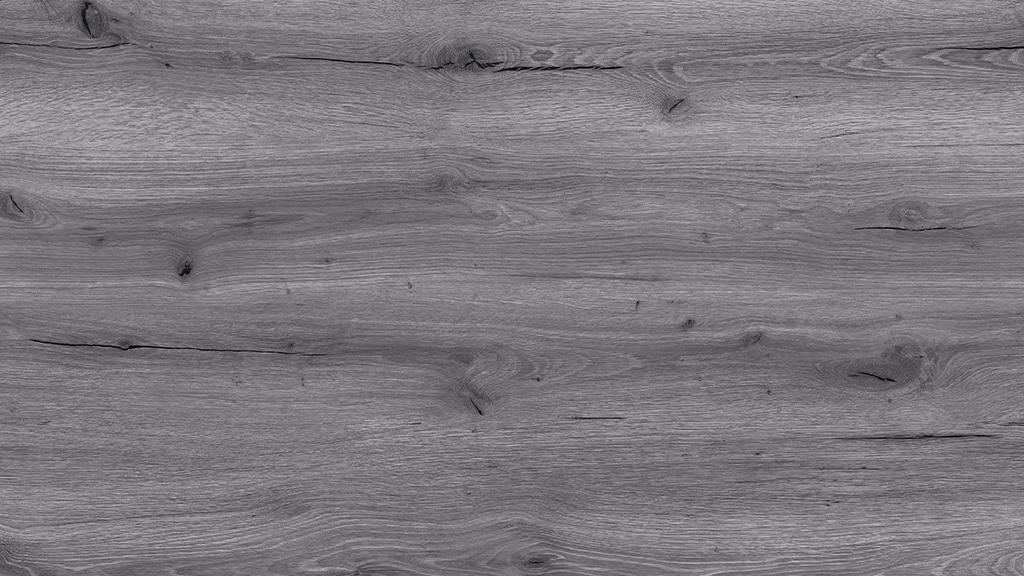
Kitchens generate crumbs, paw prints and water spots between every clean, and decor choice decides how loudly the floor announces them. Mid-tone woods with visible grain variation hide daily life best; very dark floors show dust and every dried droplet, while very pale, flat decors display crumbs like a gallery. Texture helps too: an EIR surface, where the embossing follows the printed grain, scatters light the way real wood does, so smudges and fine scratches disappear into the pattern instead of sitting on a gloss. A matt, textured mid-brown is the working kitchen's quiet ally.
Standing comfort is a real specification
Anyone who cooks seriously stands for hours, and floors participate in that fatigue. Tile is unforgiving; timber is kinder; rigid SPC with an attached IXPE layer sits usefully between, offering slight give underfoot and a surface that does not pull heat from your feet the way ceramic does. The same pad quiets dropped cutlery and chair scrapes, which matters in open-plan rooms where the kitchen's noise is the living room's noise. For the keenest cooks, an anti-fatigue mat at the main prep station completes the setup without compromising the floor under it.
Talk to MILAT Floor
Samples, specifications, OEM & private label, wholesale or export — our team is ready.