
A rigid floor over a hard subfloor can echo and transmit footstep noise, which matters in bedrooms, offices and especially apartments. SPC tackles this with a built-in acoustic layer, and there are simple ways to make any floor quieter. Here is how it works, in plain terms.
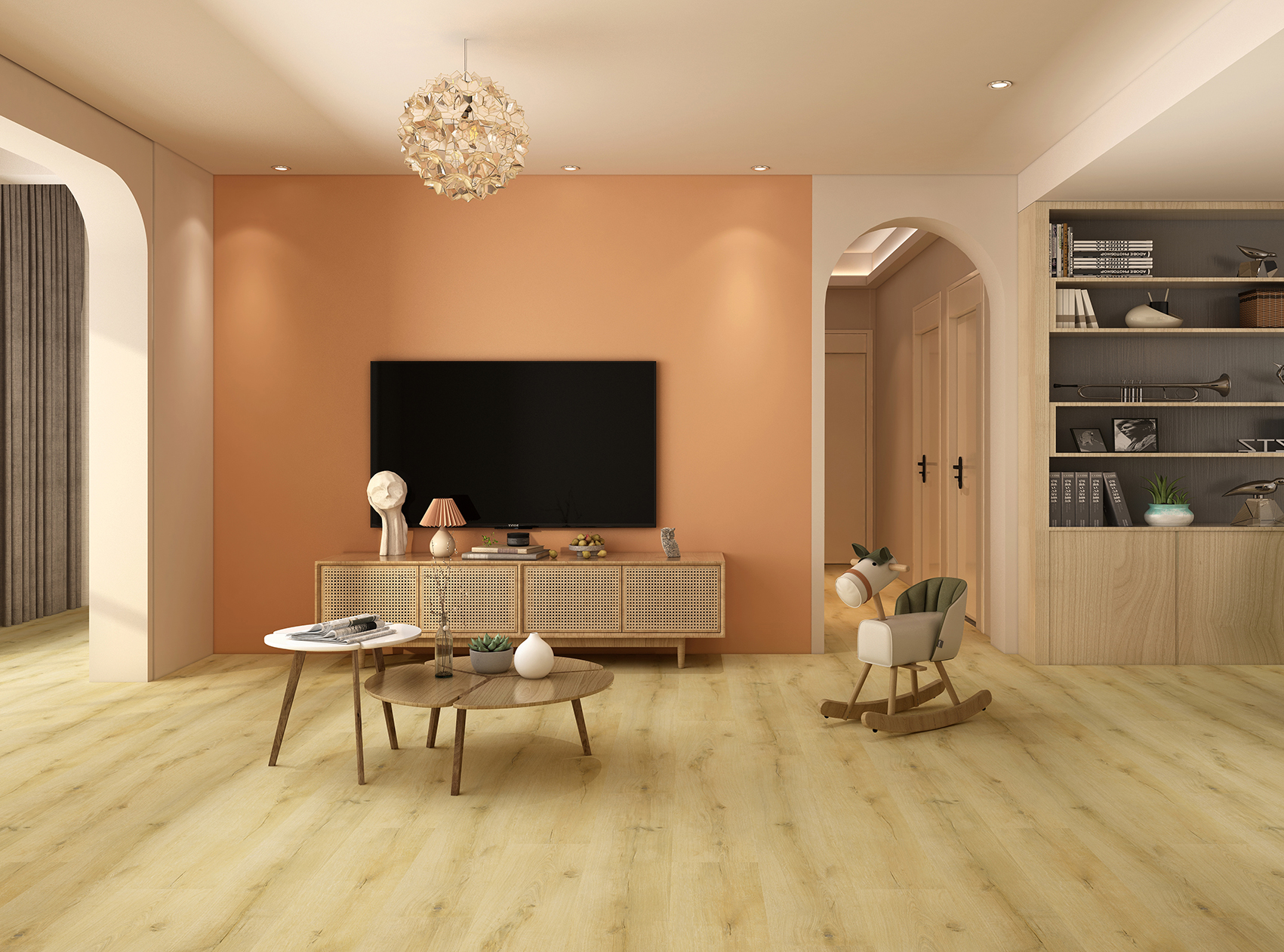
The built-in acoustic layer
MILAT SPC has a pre-attached IXPE acoustic underlay bonded to the back of each plank. It cushions footfall and dampens the hollow sound that unbacked floating floors can produce, providing sound absorption of up to 21 dB. Because it is attached, you get consistent acoustic performance without a separate underlay in most cases.
What the ratings mean
Floor acoustics are described in two ways: impact sound (footsteps heard in the room below) and airborne sound (voices and music). Acoustic underlays are measured for how many decibels of impact sound they reduce, tested to standards such as ISO 717. A higher dB reduction means a quieter floor for the space beneath.
Making a floor quieter
- Choose planks with an attached acoustic layer, as MILAT SPC provides.
- Level the subfloor properly, since gaps under a rigid plank create hollow noise.
- Add a compatible acoustic underlay where a building or lease sets a sound requirement.
- Use rugs in large, hard-surfaced rooms to cut echo.
When to add more
For upper-floor apartments or projects with a specified impact-sound limit, an additional acoustic underlay compatible with a rigid click floor can raise performance further. Check the building or lease requirement and confirm the underlay is rated for use under SPC.
Sources & references

Apartments, building rules, and getting approval
In many apartment buildings, replacing carpet with any hard floor triggers a rule: building management or the owners corporation may require proof that the new floor meets an impact sound standard before approving the work. This is where an attached acoustic layer earns its keep on paper, not just underfoot. MILAT SPC carries an integrated IXPE layer with sound absorption up to 21 dB, documented in the technical data, which gives owners something concrete to submit. Ask for the acoustic documentation before purchase and share it with the building early; approvals go faster when the paperwork leads.
Attached pad versus separate underlay under rigid core
Not all cushioning belongs under a rigid floor. A pad attached at the factory is engineered as part of the plank: its density supports the click joint while damping impact energy. A separate underlay chosen casually can be too soft, letting joints flex underfoot until they creak or open. If you add an underlay, it must be one approved for rigid click flooring, with the density and thickness the flooring manufacturer accepts. The attached IXPE route removes this gamble entirely, which is why manufacturers integrated the layer in the first place.
Flanking: the noise that sneaks around the floor
Some floors are quiet in the middle and noisy at the edges, and the culprit is flanking transmission, sound bypassing the acoustic layer through rigid connections at the perimeter. A plank touching the wall, a threshold screwed tight through the floor, pipework collars gripping planks, or skirting pressed down hard onto the surface all create solid bridges that carry impact into the structure. The fixes are details, not products: keep the expansion gap clear everywhere, fix skirting to the wall rather than the floor, and leave service penetrations sleeved. A careful perimeter is free soundproofing.
Quiet rooms are furnished, not just floored
The floor build-up controls the noise transmitted to the room below, but the liveliness you hear inside the room is a different problem, solved by what stands on the floor. A hard floor in an empty room reflects sound and feels echoey; add a large rug in the seating zone, curtains, bookshelves, and upholstered furniture and the same room turns calm. Offices use the identical trick with acoustic panels and soft zoning. Judge a floor's acoustics after the room is dressed, not on the day of installation when every surface in sight is hard.
Talk to MILAT Floor
Samples, specifications, OEM & private label, wholesale or export — our team is ready.