
You can research SPC for weeks, order the right spec, and still end up with a floor that peaks or gaps — because the fitter cut a corner. The installer is the part of the job most buyers spend the least time choosing. Here is how to vet one properly, what a real quote should say, and the warning signs that tell you to keep looking.
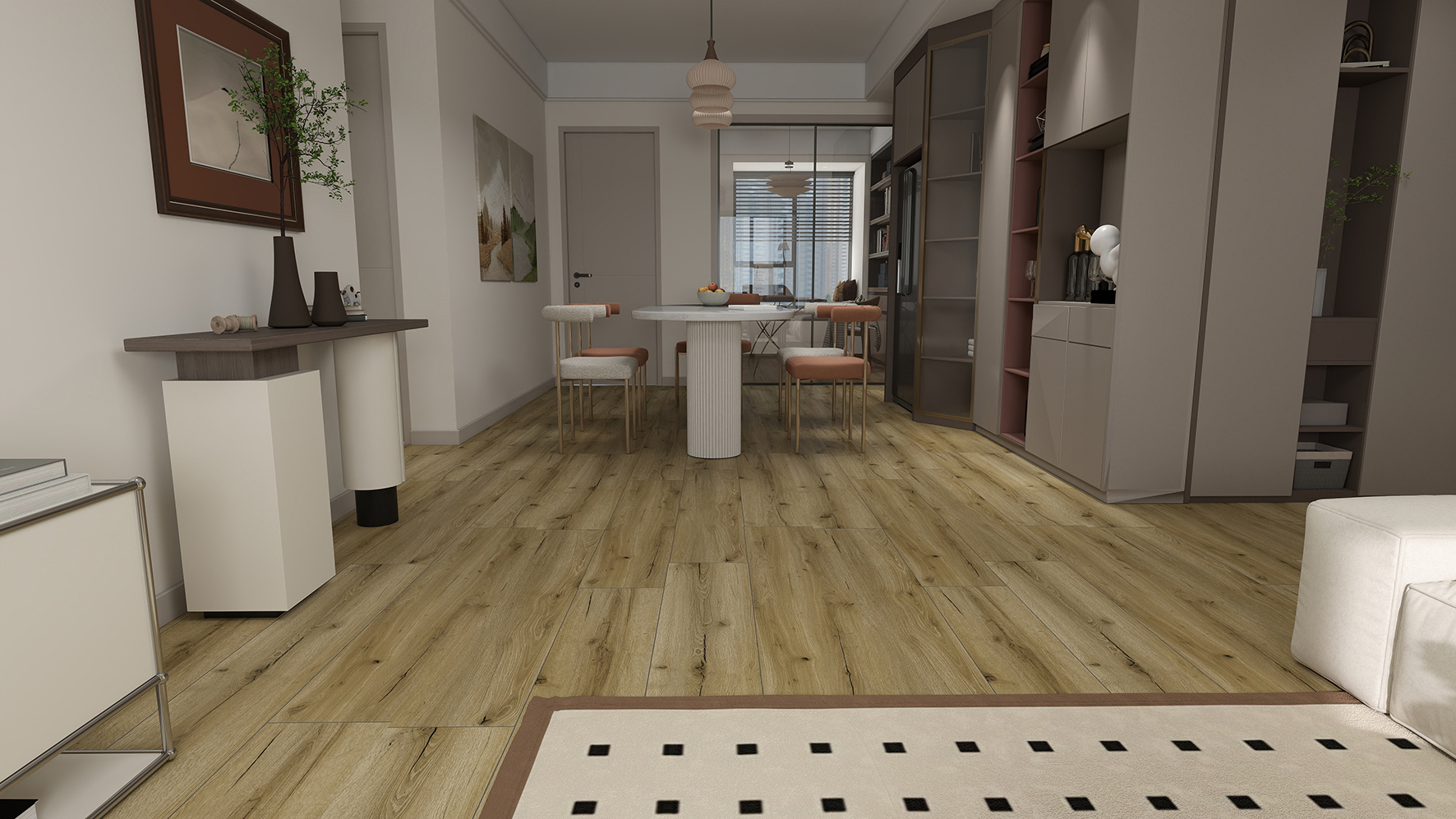
Start with the right experience
Fitting rigid SPC click floor is not the same job as laying carpet, glue-down vinyl, or laminate. The click system, the floating installation and the expansion gaps all behave differently. Ask directly how many rigid click floors they have fitted, and to which brands' systems.
The vetting checklist
| What to check | What a good answer looks like |
|---|---|
| Experience with rigid SPC / click | Fits them regularly, can name systems and rooms they have done |
| References and past work | Offers photos and contactable recent clients without being pushed |
| Subfloor prep | Asks about your subfloor and quotes to level it, not just lay on top |
| Written quote | Itemised: prep, underlay, trims, labour, waste, not one vague number |
| Acclimation and gaps | Talks about acclimating boxes and leaving expansion gaps unprompted |
| Labour guarantee | Stands behind the fitting in writing for a stated period |
| Insurance | Carries their own liability cover for work in your property |
What a written quote should include
A one-line 'supply and fit' price hides all the places a job goes wrong. A proper quote separates the parts so you can see what you are actually paying for.
- Subfloor preparation and levelling, listed as its own line
- Underlay or acoustic layer if the floor calls for one
- Trims, beading, thresholds and skirting work
- Labour, with the estimated days on site
- Waste allowance and who supplies the extra material
- What happens — and who pays — if the subfloor needs more work than expected
Red flags
Any one of these on its own is a conversation. Two or three together is your cue to walk.
- Refuses to put the quote in writing, or wants full payment up front
- Waves off the subfloor — 'we'll just lay straight over that'
- Cannot show a single photo or reference from past work
- Has never heard of acclimation or expansion gaps
- Quotes a price far below everyone else with no explanation
- Promises to finish a large room in an afternoon
One last thing before you book
Hand your shortlisted fitter the product's installation guidance and see how they react. A good installer reads it and nods; a weak one waves it away. If you need the technical documentation for a MILAT floor to pass on to a fitter you are vetting, email sales@milatfloor.com or call +90 535 960 79 46.

Book the fitter around the flooring, not the other way round
Timing trips up more projects than skill does. The flooring should arrive before the fitter is due, sit in the rooms where it will be laid so it reaches room temperature, and be counted and checked for transit damage while there is still time to react. Booking an installer for the morning after delivery leaves no room for a short shipment or a crushed corner carton. Sequence it: confirm delivery, inspect the goods, then fix the installation date. A fitter standing in an empty room bills the same as one laying floor, and rescheduling good fitters at short notice is its own punishment.
Be a good client: it changes the result
Installers do their best work in rooms that are ready. Before day one: furniture out or centralised as agreed, old floor removed unless removal was quoted, other trades finished so nobody wheels a scaffold across fresh floor, and every pending decision made, especially plank direction, threshold styles and which room starts. Mid-job design changes are where budgets and tempers fray. Agree the plank direction while standing in the room together before the first cut; it is a thirty-second conversation that prevents the one dispute that cannot be fixed afterwards.
Sort the small logistics as well: parking, access to power and water, where cutting can happen without dust drifting through the house, and who holds keys if you are out. Fitters remember the organised clients, and organised clients get the careful work.
Walk the floor before the van leaves
The snag walk is your one moment of full leverage, so do it in good light, slowly, with the fitter present. Look along the floor toward the windows for lippage and peaking; check expansion gaps are consistent and covered by trim; press suspect areas for movement or hollow sounds; open every door across the new floor; inspect thresholds, pipe collars and the cuts around door frames, which is where craftsmanship shows. Ask for leftover full planks to be stored, not skipped, since they are your future repair kit. Raise everything on the spot; a punch list agreed face to face gets fixed, a text sent a week later gets negotiated.
Keep the paper trail the guarantee depends on
If a floor ever fails, the first question is whether it was installed to the manufacturer's instructions, so keep the evidence that answers it. Save the installation guide from the box, photograph the subfloor before covering, note the fitter's moisture readings, and keep batch numbers from carton labels together with the invoice. This file protects everyone: it lets a legitimate product claim proceed without argument, and it shows a competent fitter's work was competent. Installers who happily hand over readings and let you photograph their prep are, almost without exception, the ones whose work never needs the file.
Understand how the price is built
Quotes arrive structured differently: some price per square metre, some per day, some as a lump sum with prep itemised. None is inherently better, but each hides different risks. Per-metre rates can tempt speed over care in awkward rooms full of cuts; day rates reward thoroughness but need trust on duration; lump sums are only comparable when every quote covers identical scope. Whatever the structure, insist that subfloor preparation, trims, thresholds and waste disposal are named lines rather than folded invisibly into one number. Most billing disputes are really scope disputes that started as a single vague figure.
Talk to MILAT Floor
Samples, specifications, OEM & private label, wholesale or export — our team is ready.